Ampol, one of Australia's largest fuel retailers and refiners, reported a sharp jump in its second-quarter refining margin, as disruptions to shipping through the Strait of Hormuz tightened fuel supply and widened the gap between crude oil prices and refined product prices.
The company said its refining margin at the Lytton refinery in Queensland rose to $30.93 a barrel in the second quarter, up from $8.71 a barrel in the same period a year earlier. That is more than a threefold increase, reflecting a period of heightened geopolitical risk in a key global oil transit chokepoint.
What is a refining margin?
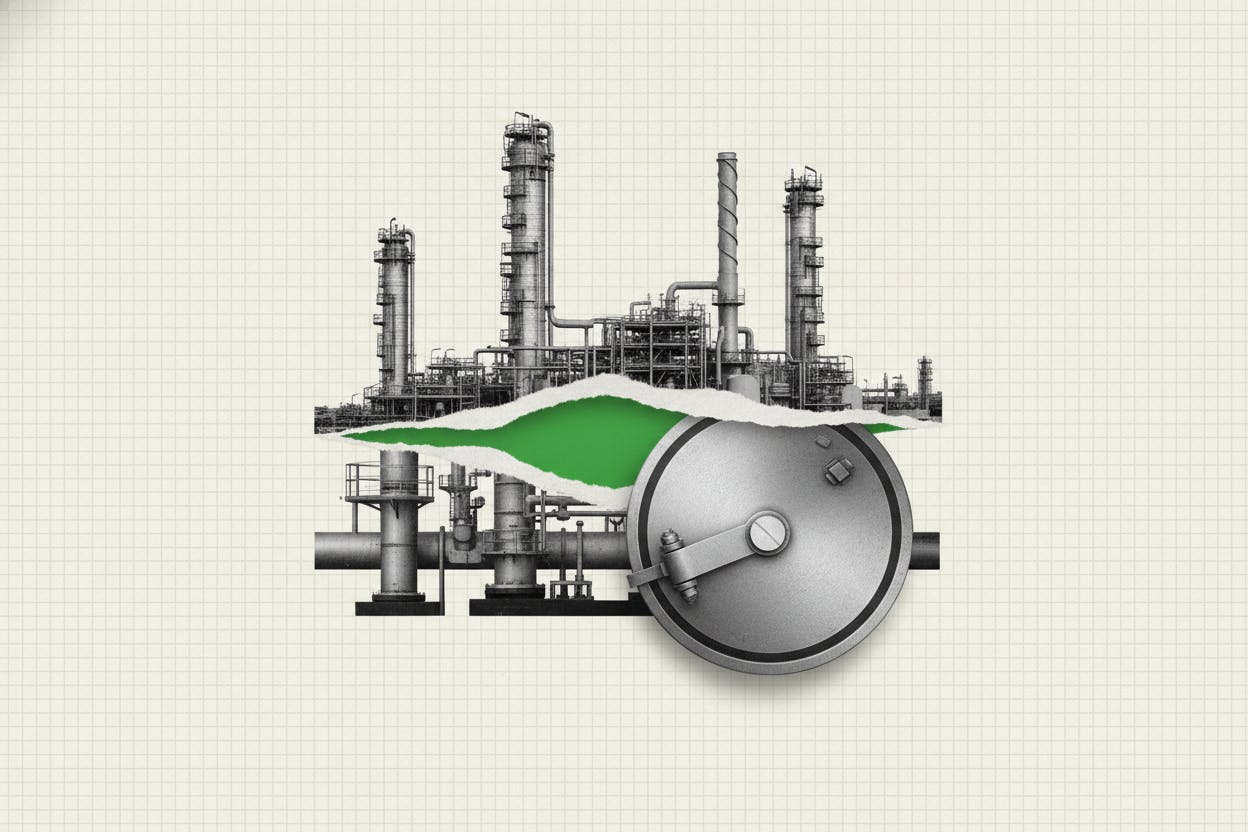
A refining margin is the difference between the cost of crude oil a refiner buys and the revenue it earns from selling refined products such as gasoline, diesel and jet fuel. When the margin is wide, refiners make more profit on each barrel they process. When it narrows, their profitability is squeezed.
In Ampol's case, the margin surged because the price of refined fuels rose faster than the price of crude oil. That happened because shipping disruptions in the Strait of Hormuz — a narrow waterway between the Persian Gulf and the Gulf of Oman through which about a fifth of the world's oil passes — reduced the supply of refined products to Asian markets, pushing up their prices.
Why the Strait of Hormuz matters
The Strait of Hormuz is a critical passage for oil and fuel shipments from major producers in the Middle East, including Saudi Arabia, Iraq, Iran and the United Arab Emirates. Any disruption there — whether from military tensions, attacks on vessels or geopolitical standoffs — can quickly affect global fuel supply and prices.
For Asian refiners that rely on Middle Eastern crude and fuel imports, even temporary disruptions can tighten supply and lift margins for local refiners like Ampol that process crude into finished products. The Lytton refinery, located near Brisbane, is one of Australia's few remaining refineries and supplies fuel to the domestic market.
The broader energy market has been on edge in recent months, with oil prices fluctuating amid ongoing geopolitical tensions and uncertainty about global demand. The disruptions in the Strait of Hormuz added to that volatility, benefiting refiners that could capture wider margins.
What it means for investors
For investors in Ampol, the jump in refining margins is a positive sign for the company's earnings in the second quarter. Refining margins are a key driver of profitability for the Lytton refinery, and a sustained period of wide margins can boost Ampol's overall financial performance.
However, refining margins are notoriously volatile. They can swing sharply based on changes in crude oil prices, fuel demand, refinery outages and geopolitical events. Investors should be aware that the current wide margin may not persist, especially if shipping disruptions ease or if global fuel supply increases.
Ampol also operates a large fuel retail network across Australia, which provides a more stable source of earnings from selling fuel to motorists and businesses. But the refining business is more cyclical and sensitive to global market conditions.
The company's update comes as other energy companies also report strong results from higher oil prices and improved margins. For example, Cenovus Energy recently lifted its output forecast after profit tripled on higher oil prices and record production. Similarly, EDP's profit held steady as its renewables and networks businesses offset weak power prices, showing how diversified energy companies can navigate different market conditions.
For everyday investors, the key takeaway is that refining margins are a useful indicator of profitability for companies like Ampol, but they are also unpredictable. Events in faraway places like the Strait of Hormuz can have a direct impact on the earnings of Australian companies, highlighting how global energy markets are interconnected.
Investors should also watch for any updates from Ampol on how long the wider margins might last, and whether the company plans to invest further in its refining operations or return cash to shareholders through dividends or buybacks.