Australian fuel retailer Ampol delivered a mixed update to the market, with its Lytton refinery margin more than doubling to $23.92 a barrel. Yet the news wasn't enough to lift the company's shares, which fell 4% after the company also reported lower refinery output and a delay to a key clean-fuels project.
What the numbers show
In a filing to the Australian Securities Exchange, Ampol said total sales volumes rose to 6.25 billion liters from 6.03 billion liters a year earlier, suggesting demand across its network held up. But refinery production slipped to 1.14 billion liters from 1.25 billion liters, even as the Lytton refiner margin jumped, helped by market conditions despite planned maintenance.
The Lytton refinery, located in Queensland, is one of Australia's major fuel production facilities. The refiner margin—the difference between what it costs to buy crude oil and the value of the refined products it sells—is a key measure of profitability for the plant. A margin of $23.92 a barrel is a significant improvement from the previous year, reflecting stronger global refining conditions.
Why shares fell despite the margin jump
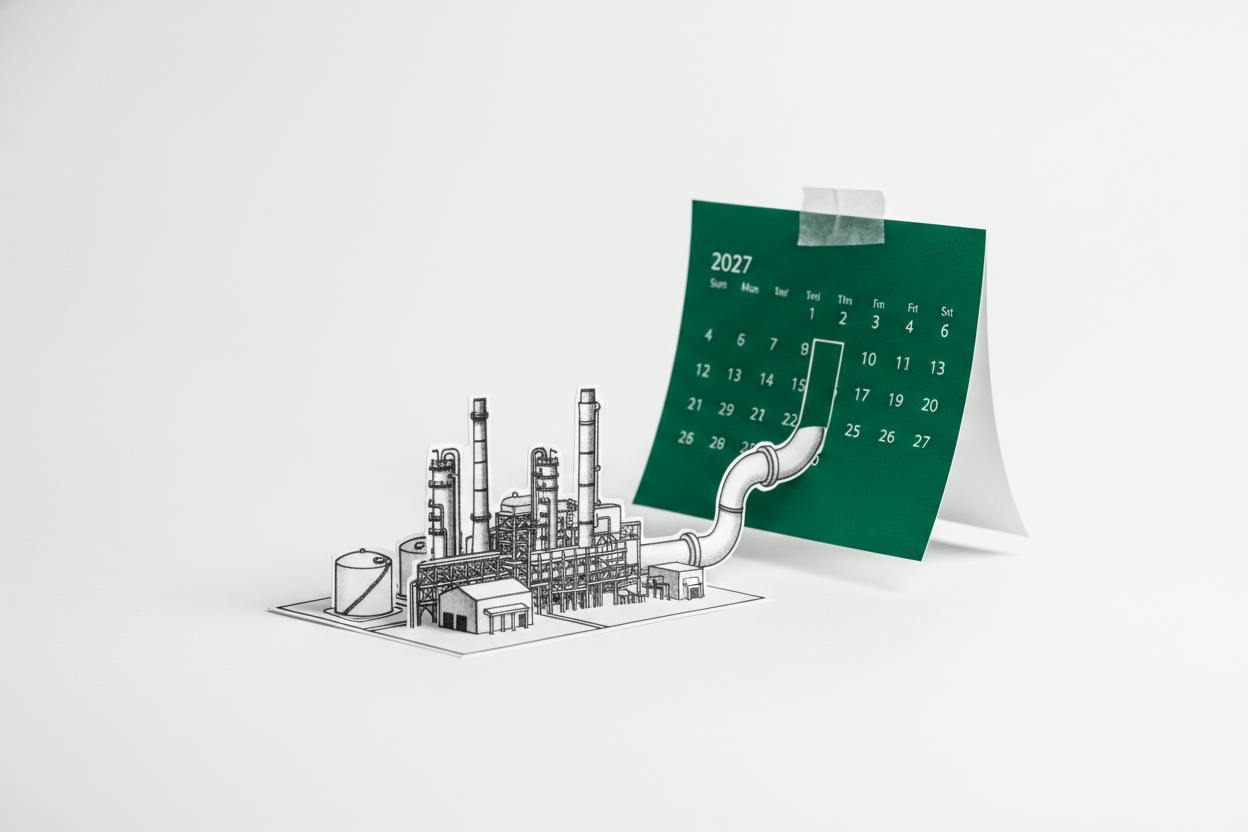
Investors often look beyond headline numbers, and here the details were less rosy. Lower refinery output means less product available to sell, which can offset the benefit of higher margins. Additionally, the company said its clean-fuels upgrade project—a major investment aimed at producing lower-sulfur fuels—has been pushed back to early 2027. Delays in such projects can raise costs and push back expected returns.
The market's reaction highlights a common theme: a single strong metric doesn't always tell the whole story. For Ampol, the margin boost was welcome, but the combination of reduced production and a delayed strategic project weighed on sentiment.
What it means for investors
For everyday investors, Ampol's update is a reminder that company results are rarely one-dimensional. A jump in a key profitability metric can be overshadowed by operational hiccups or project delays. The 4% share price drop suggests the market is focusing on the negatives—lower output and the timeline for the clean-fuels project—rather than the margin improvement.
Refining margins are notoriously volatile, influenced by global supply and demand for crude oil and refined products. While a margin of $23.92 a barrel is strong, investors may question whether it's sustainable. Meanwhile, the delay to the clean-fuels upgrade could mean higher capital expenditure and a longer wait for the environmental and financial benefits the project is expected to bring.
It's also worth noting that Ampol's sales volumes rose, indicating that demand for fuel across its retail and commercial network remains healthy. That's a positive sign for the broader Australian economy, as fuel consumption often tracks economic activity.
Broader context
Ampol operates in a sector that has seen significant shifts in recent years, with some refineries closing or converting to import terminals due to thin margins. The Lytton refinery's ability to generate a higher margin is a positive, but the company still faces the challenge of balancing production, maintenance, and long-term investments.
The delay in the clean-fuels project is part of a wider industry trend, as companies navigate the transition to lower-emission products. For Ampol, the project is crucial for meeting stricter fuel standards and maintaining its competitive position.
Looking ahead
Investors will likely watch for further updates on the clean-fuels project and whether the higher refining margins can be sustained. The company's next earnings report will provide more clarity on how these factors are affecting overall profitability.
For now, the market's reaction suggests that even good news—like a doubled refinery margin—can be overshadowed by operational concerns. As always, it's important for investors to look at the full picture rather than focusing on a single headline number.