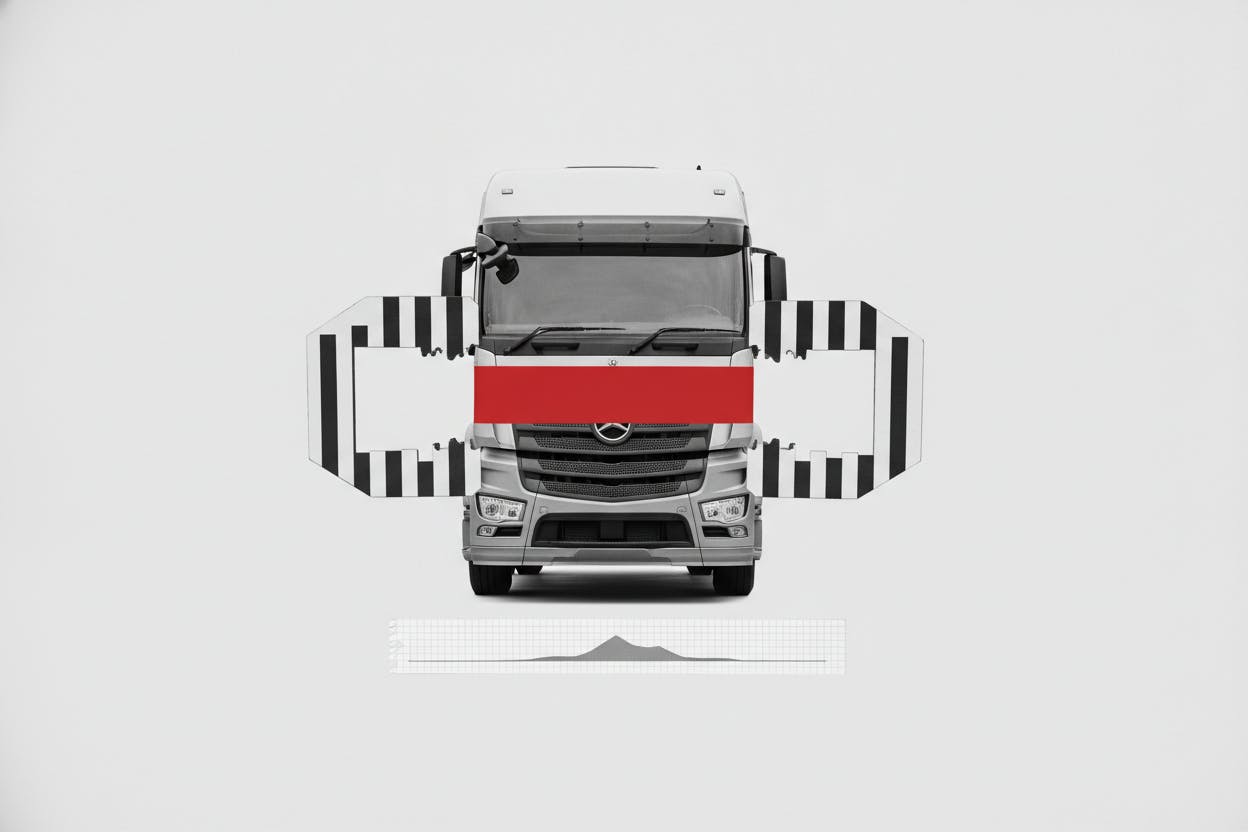
Daimler Truck Holding AG reported an 8% increase in second-quarter unit sales to 86,707 vehicles, but analysts at MWB Research are not convinced the momentum is sustainable. The research firm maintained its sell rating and €30 price target ahead of the company's August 7 earnings release, arguing that the headline growth masks underlying weakness.
What the Numbers Show
The sales uptick was led by the Mercedes-Benz Trucks and Trucks North America divisions, while Daimler Buses remained sluggish. MWB noted that the 8% gain comes off a soft comparison period a year earlier, making the jump less impressive than it appears. More telling, first-half volumes slipped 1% to 155,556 vehicles, suggesting that some of the second-quarter strength was simply catch-up from earlier softness rather than a genuine acceleration in demand.
For context, Daimler Truck is one of the world's largest commercial vehicle manufacturers, producing trucks and buses under brands including Mercedes-Benz, Freightliner, and Western Star. Its performance is closely tied to global economic activity, as truck purchases often signal business confidence and freight demand.
Why Analysts Remain Skeptical
MWB's caution reflects a broader wariness about the commercial vehicle cycle. After a post-pandemic boom, many markets are normalizing, and rising interest rates have made financing new trucks more expensive for fleet operators. In Europe, economic uncertainty and high energy costs continue to weigh on transport demand, while in North America, a potential slowdown in freight volumes could pressure orders.
The sell rating and €30 target imply significant downside from current levels, though Daimler Truck's stock has already fallen roughly 15% over the past year. The company's August 7 earnings report will be closely watched for forward guidance on orders and margins.
What It Means for Investors
For everyday investors, this analyst call is a reminder that a single quarter's sales jump does not always signal a turnaround. MWB is essentially saying the second-quarter improvement is a mirage created by easy comparisons, and the underlying trend remains weak. Investors should look beyond headline numbers to understand whether growth is organic or just a statistical fluke.
Key metrics to watch in the upcoming earnings include order intake, which indicates future demand, and operating margin, which shows profitability. If Daimler Truck can demonstrate that orders are picking up across all regions, the analyst skepticism might ease. But if first-half trends persist, the stock could face further pressure.
Broader market conditions also matter. The commercial vehicle sector is sensitive to interest rates and trade flows. Recent developments like EU tariffs on Chinese tires and US targeting of vehicle tech could affect Daimler Truck's supply chain and export markets. Meanwhile, oil price movements influence fuel costs for truck operators, indirectly impacting demand for new vehicles.
The Bottom Line
MWB's stance is a cautionary note for anyone tempted to read too much into Daimler Truck's second-quarter sales pop. The analyst firm sees the glass as half-empty, and the first-half volume decline supports that view. Investors should wait for the August 7 earnings to get a clearer picture of whether the company can sustain growth or if the second quarter was a one-off.
As always, no single analyst rating should drive investment decisions. But understanding the reasoning behind a sell call can help investors ask better questions about a company's prospects. For Daimler Truck, the key question is whether demand is truly recovering or just bouncing along a low base.