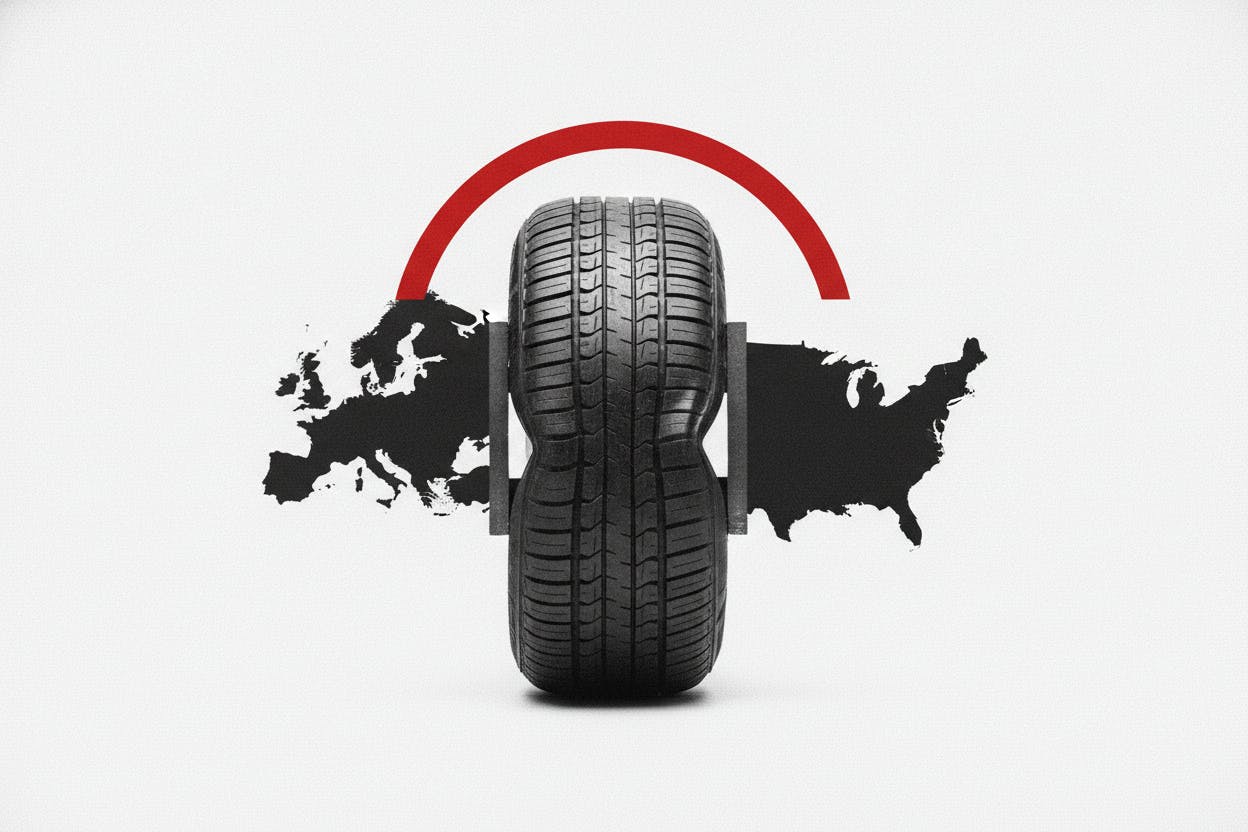
Chinese stocks slipped on Tuesday as trade tensions with both Europe and the United States escalated. The European Union imposed anti-dumping duties on Chinese-made car tires, while a US Senate committee set a hearing for July 15 on legislation targeting Chinese-connected vehicle technology.
EU Anti-Dumping Duties on Chinese Tires
The European Union announced anti-dumping duties on Chinese-made car tires, with rates ranging from 4.3% to 45.3%. Anti-dumping duties are tariffs imposed on foreign goods that are sold below fair market value, often to protect domestic industries from unfair competition. This move is part of a broader trend of European scrutiny on Chinese exports, particularly in manufacturing sectors where China has a significant cost advantage.
The tire industry is a major export for China, and the EU is a key market. The duties could raise prices for European consumers and reduce demand for Chinese tires, hitting Chinese manufacturers' revenues. This is not the first time the EU has targeted Chinese goods; similar measures have been applied to steel, aluminum, and solar panels in recent years. For context, the EU's anti-dumping duties on Chinese tires follow a pattern of trade friction that has weighed on Chinese stocks in the past.
Investors should note that this development could also affect global supply chains. Japanese rubber futures, for instance, have already felt the impact, as we covered in our article on EU Anti-Dumping Duties on Chinese Tyres Weigh on Japanese Rubber Futures. The broader European market has been relatively flat, as seen in European Stocks Flat as Tech Slump Offsets Travel and Mining Gains, but these trade measures add another layer of uncertainty.
US Senate Hearing on Chinese Vehicle Tech
On the other side of the Atlantic, a US Senate committee scheduled a July 15 hearing on a bill targeting connected vehicles with Chinese technology. The bill aims to block vehicles that use Chinese-made components or software for connectivity features, such as navigation, entertainment, or autonomous driving systems. This is part of a broader US effort to limit China's influence in critical technology sectors, citing national security concerns.
Connected vehicles rely on data transmission and software that could potentially be used for surveillance or cyberattacks, according to US lawmakers. The hearing will examine the risks and potential regulations. For Chinese automakers and tech companies that supply components to global car manufacturers, this could mean reduced access to the US market. Companies like BYD, NIO, and others that have been expanding internationally may face headwinds.
This development comes amid a broader rotation into Chinese tech stocks, as we noted in Hong Kong Tech Stocks Surge 8% This Week as Investors Rotate Into China Internet Names. However, the new US scrutiny could dampen sentiment for the sector.
What It Means for Investors
For everyday investors, these trade tensions highlight the risks of geopolitical friction on stock markets. Chinese stocks, particularly those in manufacturing and tech, are sensitive to trade policies from major economies. The EU's tire duties directly affect companies like Sailun Group, Linglong Tire, and others that export to Europe. The US vehicle tech bill could impact a wider range of firms, including those in the supply chain for connected cars.
Investors should watch for further developments, such as the outcome of the July 15 hearing and any retaliatory measures from China. Historically, trade disputes can lead to volatility in Chinese markets, as seen in previous rounds of US-China tariff battles. Diversification across regions and sectors can help mitigate such risks.
Broader market context: Chinese stocks have been under pressure this year due to a slow economic recovery and regulatory changes. The latest trade measures add to the headwinds. However, some analysts see opportunities in domestic-focused sectors less exposed to exports. As always, it's important to assess your own portfolio's exposure to these risks.
In summary, the EU's anti-dumping duties on tires and the US Senate's focus on Chinese vehicle tech are the latest signs of growing trade barriers. For investors holding Chinese stocks or funds, these developments warrant attention but not panic. Stay informed and consider the long-term trends in global trade.



