Some of the biggest backers of SK Hynix's blockbuster Nasdaq listing are getting fewer shares than they hoped for, even as the $26.5 billion deal attracted overwhelming demand. According to a Bloomberg report, certain anchor investors were allocated about $2 billion less than the maximum they had indicated they would buy.
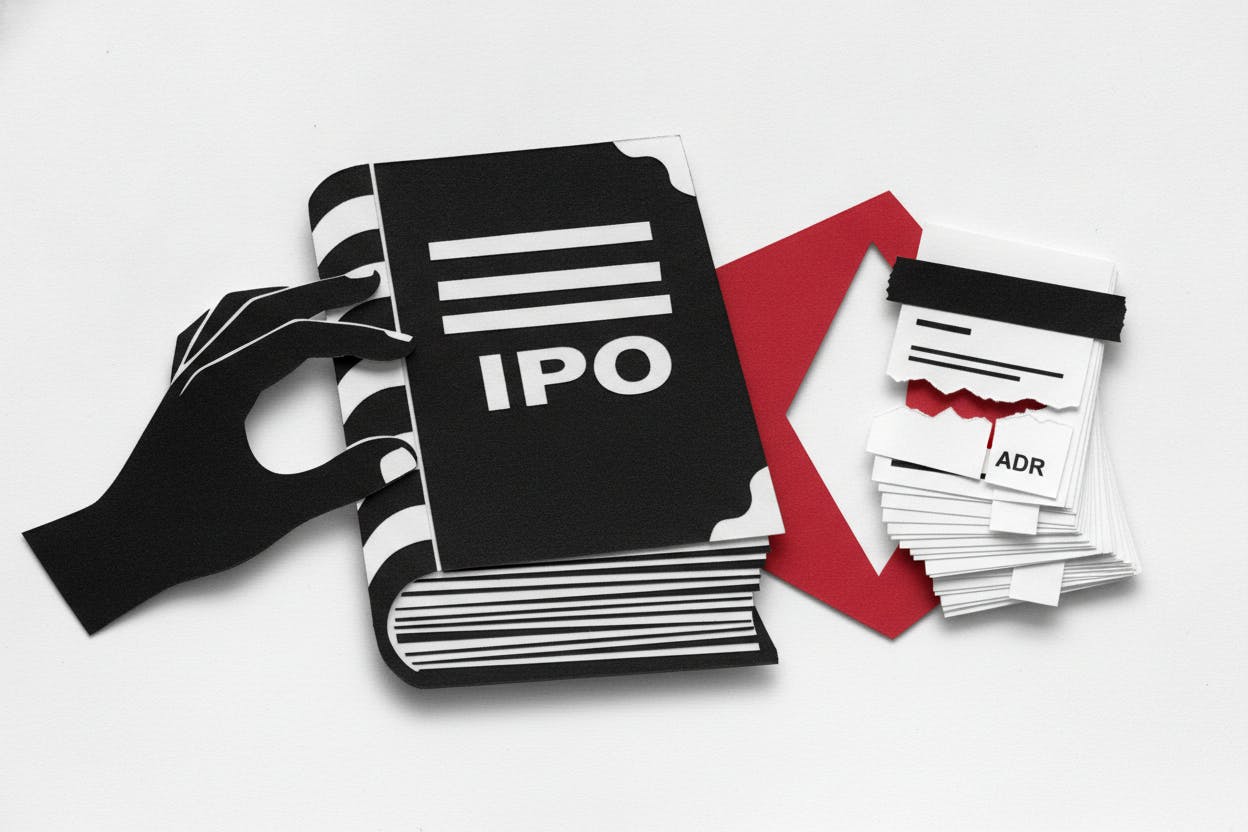
The South Korean memory-chip giant's initial public offering on the Nasdaq was roughly seven times oversubscribed, meaning investors wanted to buy far more American depositary receipts (ADRs) than were available. ADRs are a way for foreign companies to list their shares on US exchanges, allowing American investors to trade them like domestic stocks.
What Happened in the Allocation
Anchor investors are typically large institutional players—such as pension funds, mutual funds, or sovereign wealth funds—that commit to buying a significant chunk of an IPO before it launches. Their participation helps signal confidence to the broader market. In this case, some of those anchors indicated they wanted to buy up to a certain maximum amount, but the final allocations came in roughly $2 billion below that ceiling.
The shortfall suggests that demand was so intense that the underwriters—the banks managing the offering—had to ration shares more aggressively than usual. While oversubscription is common in hot IPOs, the scale here is notable: a $26.5 billion listing is one of the largest ever for a non-US tech company, and the fact that it was seven times oversubscribed underscores the market's appetite for exposure to the artificial intelligence boom.
SK Hynix is a key supplier of high-bandwidth memory (HBM) chips used in Nvidia's AI accelerators, making it a linchpin in the AI supply chain. The company's US listing comes as Washington pressures both SK Hynix and Samsung to build AI memory chip plants in America, adding a geopolitical dimension to the story.
What This Means for Everyday Investors
For retail investors, the allocation news is a reminder that IPOs—especially hot ones—can be unpredictable. When a deal is oversubscribed, underwriters often prioritize large institutional clients, leaving smaller investors with fewer shares or none at all. Even if you placed an order through a brokerage, there's no guarantee you'll get the full amount you requested.
The fact that even big anchor investors got less than they wanted suggests that the IPO was heavily skewed toward a select group of buyers. This can create a sense of scarcity, which sometimes pushes the stock price higher on the first day of trading—a phenomenon known as the "IPO pop." However, it also means that investors who do get shares may face higher volatility as the stock adjusts to market demand.
SK Hynix's listing is part of a broader wave of tech IPOs, particularly in the AI sector. The company's strong ties to Nvidia and its dominance in HBM memory have made it a favorite among growth-oriented investors. But the allocation shortfall also highlights a risk: if institutional demand is this intense, the stock could be priced at a premium that leaves less room for upside.
For context, SK Hynix's $28 billion US ADR sale was reported to be seven times oversubscribed, a figure that aligns with the current report. The slight difference in the deal size ($26.5 billion vs. $28 billion) may reflect final pricing adjustments or rounding.
Broader Market Context
The strong demand for SK Hynix's ADRs comes amid a broader rally in chip stocks, fueled by optimism around AI spending. Chip stocks have surged on Nvidia supply hopes and the SK Hynix listing, lifting Wall Street. Meanwhile, Asian chip stocks rallied as SK Hynix's US debut overshadowed an oil price jump, indicating that investors are betting heavily on the AI theme.
However, the allocation news also raises questions about whether the IPO market is overheating. When a deal is this oversubscribed, it can signal that investors are chasing returns without fully pricing in risks—such as potential slowdowns in AI chip demand or geopolitical tensions that could disrupt supply chains. The KOSPI recently jumped 4.6% in a relief rally, but AI doubts and a weak won kept investors on edge, suggesting that the broader market remains cautious.
For now, the focus will be on how SK Hynix's ADRs trade once they hit the Nasdaq. If the stock pops significantly, it could boost sentiment for other tech IPOs. But if it struggles, it might cool the enthusiasm for AI-related listings. Either way, the allocation shortfall is a clear signal that demand for AI exposure is red-hot—and that even the biggest investors sometimes have to settle for less.