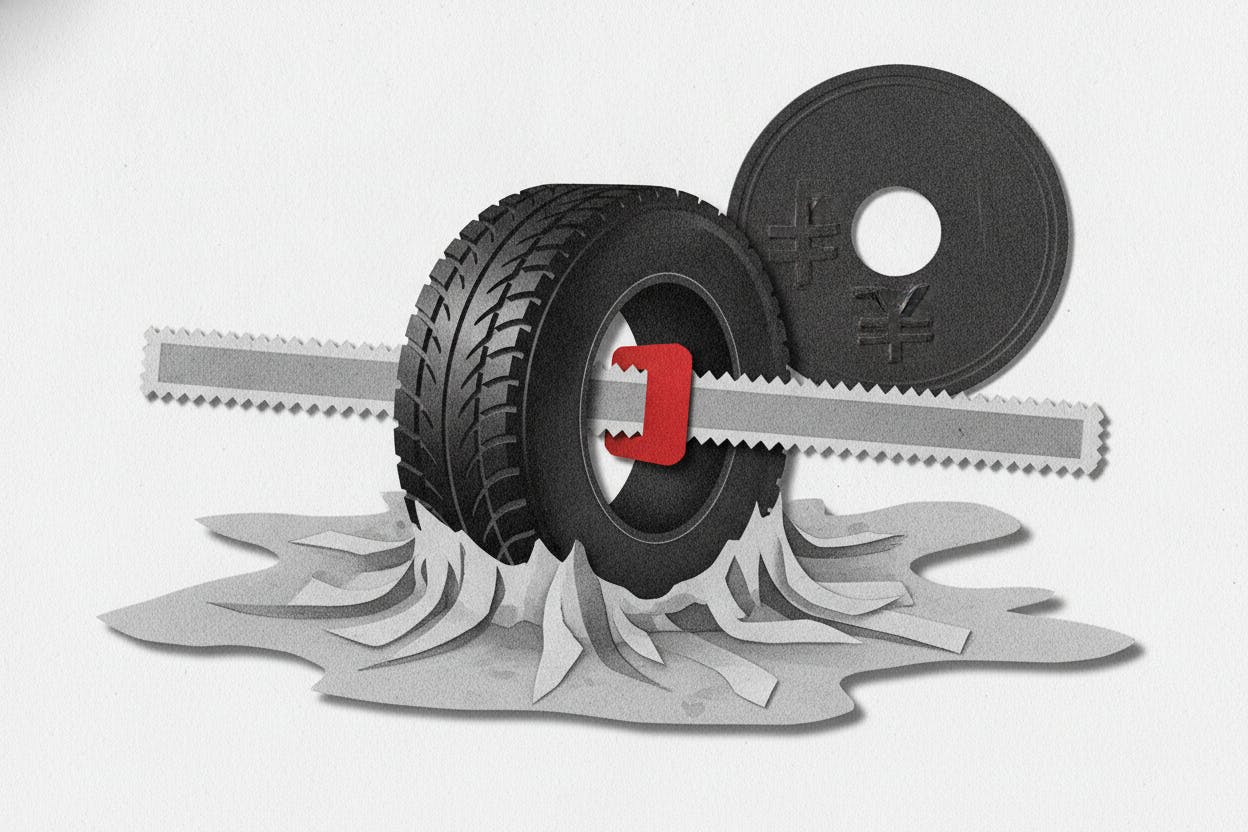
Japanese rubber futures pulled back from a two-week high on Friday, pressured by a double blow: new European Union anti-dumping duties on Chinese tyre imports and a strengthening yen. The Osaka Exchange's December rubber contract fell 0.5% to 419.8 yen per kilogram, while Singapore's SICOM contract also edged lower.
What the EU's Decision Means for Rubber
The European Commission imposed anti-dumping duties ranging from 4.3% to 45.3% on Chinese tyre imports, citing unfair pricing practices. Natural rubber is a key raw material in tyre production, so any slowdown in tyre exports from China—the world's largest tyre producer—can ripple through global rubber markets. Higher duties make Chinese tyres less competitive in Europe, potentially reducing tyre shipments and, over time, lowering the amount of rubber manufacturers need to buy.
This is not the first time the EU has targeted Chinese tyre imports. Similar duties were imposed in 2018, and the current move follows a review that found continued dumping. The decision comes as the global tyre industry faces headwinds from slowing economic growth and shifting trade policies.
Yen Strength Adds Pressure
Compounding the bearish sentiment, the yen strengthened against the US dollar, making yen-denominated rubber futures more expensive for foreign buyers. A stronger yen typically weighs on Japanese commodity futures, as it reduces demand from international investors. The yen's recent rally has been fueled by expectations that the Bank of Japan may raise interest rates, as well as government pressure on Japan's giant pension fund to invest more at home—a move that has boosted the currency.
For context, the yen has been on a volatile path this year. Earlier in 2024, it hit multi-decade lows against the dollar, but a series of policy signals and intervention threats have since pushed it higher. The government's push for the GPIF to buy more local assets has added to the yen's upward momentum, which in turn pressures export-oriented commodities like rubber.
Broader Market Context
Rubber futures have been volatile in recent months, swinging between supply concerns from key producers like Thailand and Indonesia and demand worries tied to global economic uncertainty. The EU's tyre duties add a new layer of complexity. While the direct impact on rubber demand may take time to materialize, traders are already pricing in the risk of lower Chinese tyre exports.
Meanwhile, other commodity markets are also reacting to shifting trade dynamics. For instance, palm oil futures have been eyeing supply data, while broader Asian markets have been influenced by AI chip stock rallies and currency moves. The Nikkei's recent surge highlights how interconnected currency and equity markets are in Japan.
What It Means for Investors
For everyday investors, the key takeaway is that trade policy decisions in one region can quickly affect commodity prices globally. Rubber futures are a niche market, but they offer a window into broader supply chain dynamics. If the EU's duties lead to a sustained drop in Chinese tyre production, rubber prices could remain under pressure—bad news for producers but potentially positive for tyre manufacturers who use rubber as an input.
Investors should also watch the yen's trajectory. A stronger yen could continue to weigh on Japanese commodity futures, while a weaker yen might provide a tailwind. The Bank of Japan's next policy meeting will be closely watched for clues on rate hikes, which could further strengthen the yen.
Finally, this story underscores the importance of diversification. Commodity markets are subject to sudden shocks from policy changes, currency moves, and geopolitical events. While rubber futures may not be a core holding for most retail investors, the principles at play—trade policy, currency risk, and supply-demand shifts—apply across asset classes.
As always, stay informed but avoid making knee-jerk portfolio changes based on a single day's price move. The rubber market, like many others, will continue to digest these developments in the weeks ahead.



