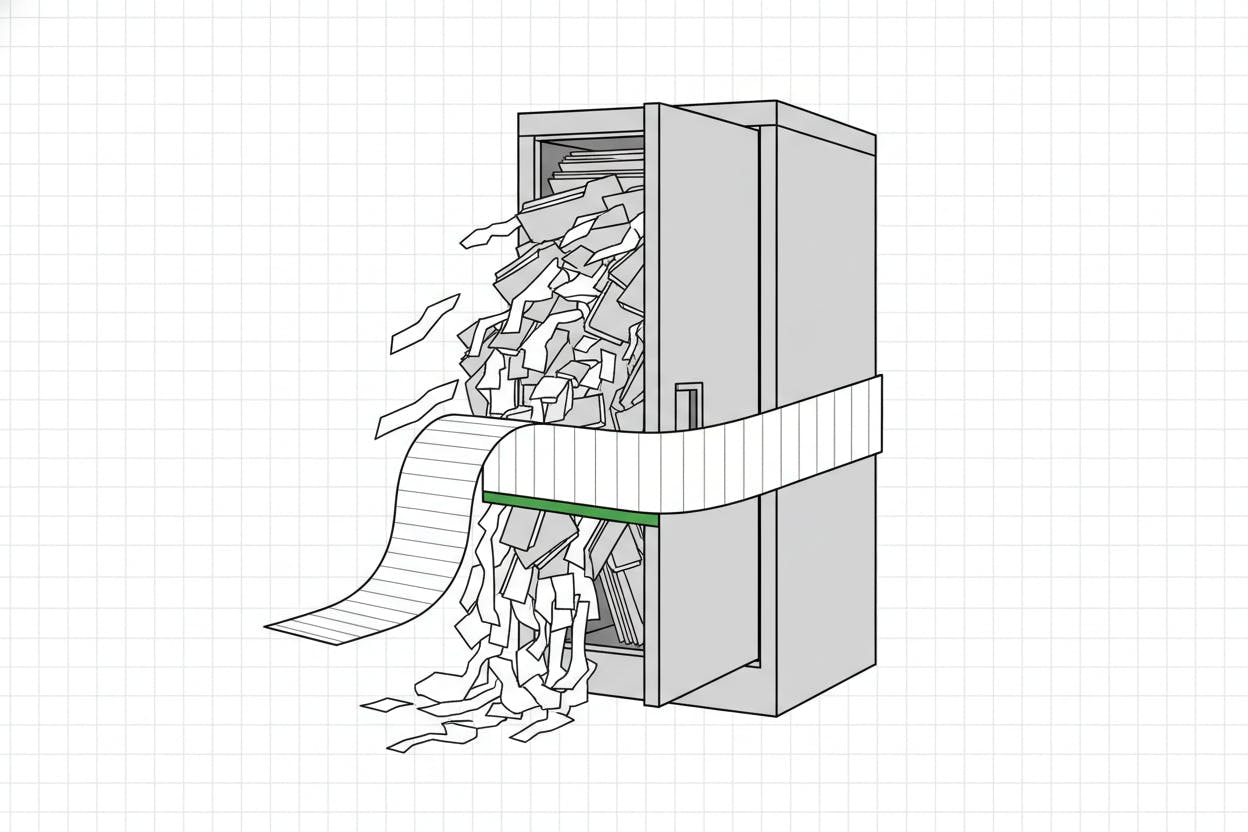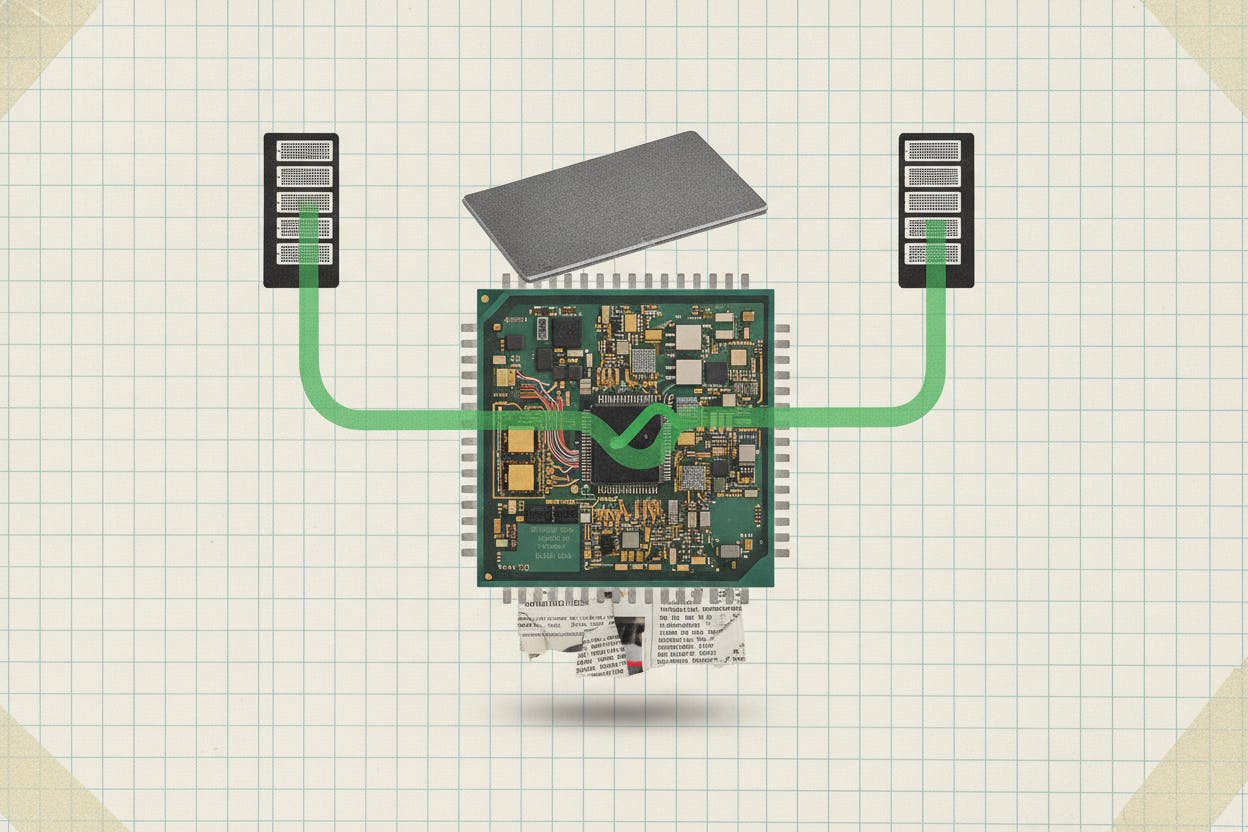
Anthropic, the artificial intelligence lab behind the Claude chatbot, is moving to take greater control over the hardware that powers its models. The company is hiring chip and software engineers to design its own custom AI chips, a strategy aimed at easing the persistent shortage of the high-end processors needed to train and run advanced AI systems.
The move comes as demand for AI computing power continues to outstrip supply, leaving even the biggest players scrambling for access to the most powerful chips. By designing its own silicon, Anthropic hopes to reduce its dependence on a handful of suppliers and tailor the hardware more closely to the needs of its Claude models.
Why chips are the bottleneck
Modern AI models like Claude rely on specialized processors, most notably graphics processing units (GPUs) from Nvidia, to perform the massive calculations required for training and inference. These chips have become the "picks and shovels" of the AI boom, with demand far exceeding supply and lead times stretching for months.
Anthropic's plan is to co-design the chip and the model together, a strategy that can unlock significant gains in speed and efficiency. When hardware and software are developed in tandem, engineers can optimize every layer of the stack, from the way data moves through the chip to the algorithms that run on it. This approach is already used by some of Anthropic's biggest rivals, including Google and Amazon, which have developed their own custom AI processors.
But designing a chip from scratch is a long and expensive endeavor. It requires deep expertise in semiconductor design, verification, and software tooling, and it can take years before a new chip is ready for production. That is why Anthropic is hiring across both hardware and software disciplines, building a team that can handle the full lifecycle of a custom chip.
A multi-chip strategy
Anthropic was quick to clarify that this is not a break with its existing suppliers. The company described the effort as part of a "multi-chip" approach, meaning it will continue to rely on a mix of providers, including Amazon Web Services (AWS), Google, Nvidia, and AMD. This is a pragmatic acknowledgment that no single chipmaker can meet all of Anthropic's needs, and that the company must hedge its bets in a market where supply is tight and technology is evolving rapidly.
The strategy also reflects a broader industry trend. As AI models grow larger and more complex, the demand for specialized hardware is exploding, and many companies are looking for ways to secure their supply chains. Some are investing in chip startups, others are designing their own silicon, and a few are even exploring alternative approaches, such as faster data links between chips rather than shrinking the chips themselves.
Anthropic's move is also notable because of its close ties to Amazon. The company has received billions in funding from Amazon, and AWS is a major provider of cloud computing power for Anthropic. Earlier this year, reports emerged that Blackstone was weighing a $36 billion debt deal to fund Anthropic's leases of Google's custom chips, highlighting the scale of the company's computing needs.
What it means for investors
For everyday investors, Anthropic's decision to design its own chips is a signal that the AI boom is entering a new phase. The first phase was dominated by Nvidia, whose GPUs became the de facto standard for AI training. The second phase is likely to be characterized by more diversification, as companies seek to reduce their reliance on any single supplier and optimize their costs.
This could have implications for the chipmakers themselves. Nvidia's dominance is not under immediate threat, but the rise of custom silicon from companies like Anthropic, Google, and Amazon could gradually erode its market share in the AI segment. AMD and Intel are also vying for a piece of the pie, and the competition is likely to intensify.
For investors, the key takeaway is that the AI supply chain is becoming more complex and more competitive. Companies that can secure reliable access to computing power, whether through in-house design or long-term partnerships, will be better positioned to capitalize on the AI opportunity. Those that rely on a single supplier may face greater risks.
It is also worth noting that Anthropic's move is part of a broader trend of vertical integration in the tech industry. Just as Apple designs its own chips for iPhones and Macs, AI companies are increasingly looking to control their own hardware. This can lead to better performance and lower costs, but it also requires significant investment and expertise.
As the AI race heats up, investors will be watching closely to see how these strategies play out. The upcoming jobs report and other economic data will also influence market sentiment, but the long-term story is about who controls the infrastructure of the AI economy.
For now, Anthropic's move is a reminder that the AI boom is not just about software. It is about the hardware that makes it possible, and the companies that can master both will be the ones to watch.