Anthropic, the artificial intelligence company behind the Claude chatbot, has reportedly explored acquiring AI chip startup MatX for roughly $7 billion. According to Reuters, those acquisition talks have now shifted toward a partnership instead, as Anthropic works on building its own custom silicon to reduce its heavy reliance on Nvidia.
The move underscores a broader trend among leading AI labs: the cost and scarcity of advanced chips, especially Nvidia's GPUs, have become a central challenge. For Anthropic, which competes with OpenAI and Google in the race to build ever more capable AI models, controlling its chip supply is increasingly seen as a strategic priority.
What is MatX and why does it matter?
MatX is a startup founded by former Google engineers who worked on Google's Tensor Processing Units (TPUs), the custom chips Google uses to train and run its AI models. TPUs are designed specifically for AI workloads and are often cited as a key reason Google can train large models efficiently. MatX aims to build similar specialized chips for AI, which could offer an alternative to Nvidia's dominant GPUs.
For Anthropic, partnering with MatX could give it access to chip design expertise without the financial and operational burden of a full acquisition. A $7 billion deal would have been one of the largest in the AI chip space, but a partnership allows Anthropic to hedge its bets while it develops its own in-house silicon.
Why is Anthropic building custom chips?
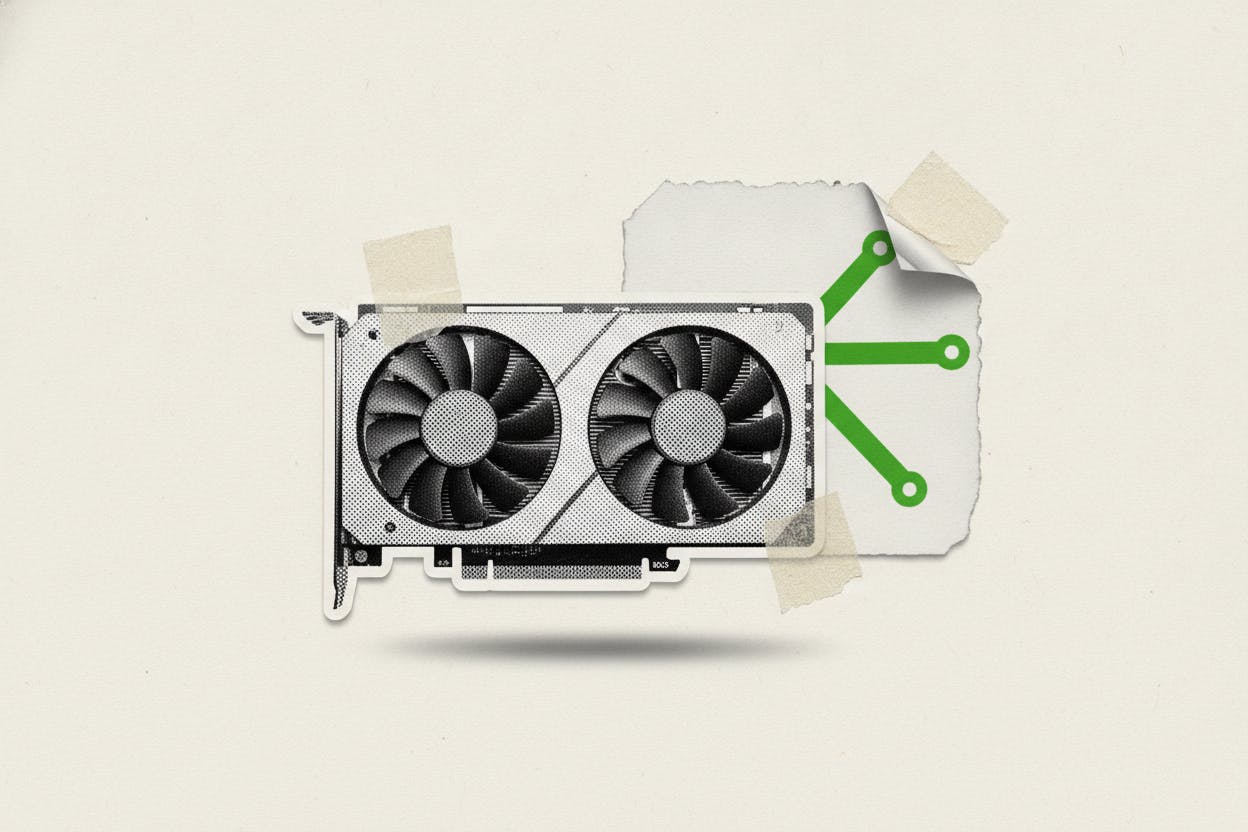
Nvidia currently controls the vast majority of the market for AI training chips, and its GPUs are in extremely high demand. That gives Nvidia enormous pricing power and makes it difficult for AI companies to secure enough supply. By designing custom chips, Anthropic could potentially lower its costs, improve performance for its specific workloads, and reduce its vulnerability to Nvidia's supply constraints and pricing.
Other tech giants, including Google, Amazon, and Microsoft, have also invested in custom AI chips. For Anthropic, which has received significant backing from Amazon and Google, developing its own silicon is a natural extension of its ambition to be a leader in AI infrastructure, not just in models.
The shift from acquisition to partnership is notable. It suggests that Anthropic may have concluded that buying MatX outright was too expensive or that a partnership offers more flexibility. It also aligns with reports that Anthropic has been weighing custom AI chips after the MatX deal talks stalled.
What it means for investors
For everyday investors, this story is less about a single deal and more about the changing dynamics of the AI supply chain. Nvidia's dominance has made it a stock market darling, but the push by major AI labs to develop alternatives could, over time, chip away at that dominance. However, that is a long-term trend, and Nvidia's current market position remains very strong.
For Anthropic, which is privately held but has been the subject of IPO speculation, the move to secure its chip supply is a sign that it is thinking about long-term scalability. If Anthropic eventually goes public, its ability to control costs and secure compute will be a key factor for investors to watch.
The partnership approach also reflects a broader pattern in the tech industry: rather than making huge acquisitions, companies often prefer to collaborate with startups to gain access to technology without the risks of integration. This can be a win-win, allowing the startup to retain independence while the larger company gets the technology it needs.
For those invested in AI-related stocks, the key takeaway is that the competitive landscape is evolving. While Nvidia remains the leader, the rise of custom chips and partnerships like this one could create opportunities for other players, including chip designers and semiconductor manufacturers. It also highlights the importance of supply chain resilience in the AI sector.
As always, investors should focus on the fundamentals of the companies they own and not overreact to individual deal reports. But this news is a useful reminder that the AI boom is not just about software—it's also about the hardware that powers it.