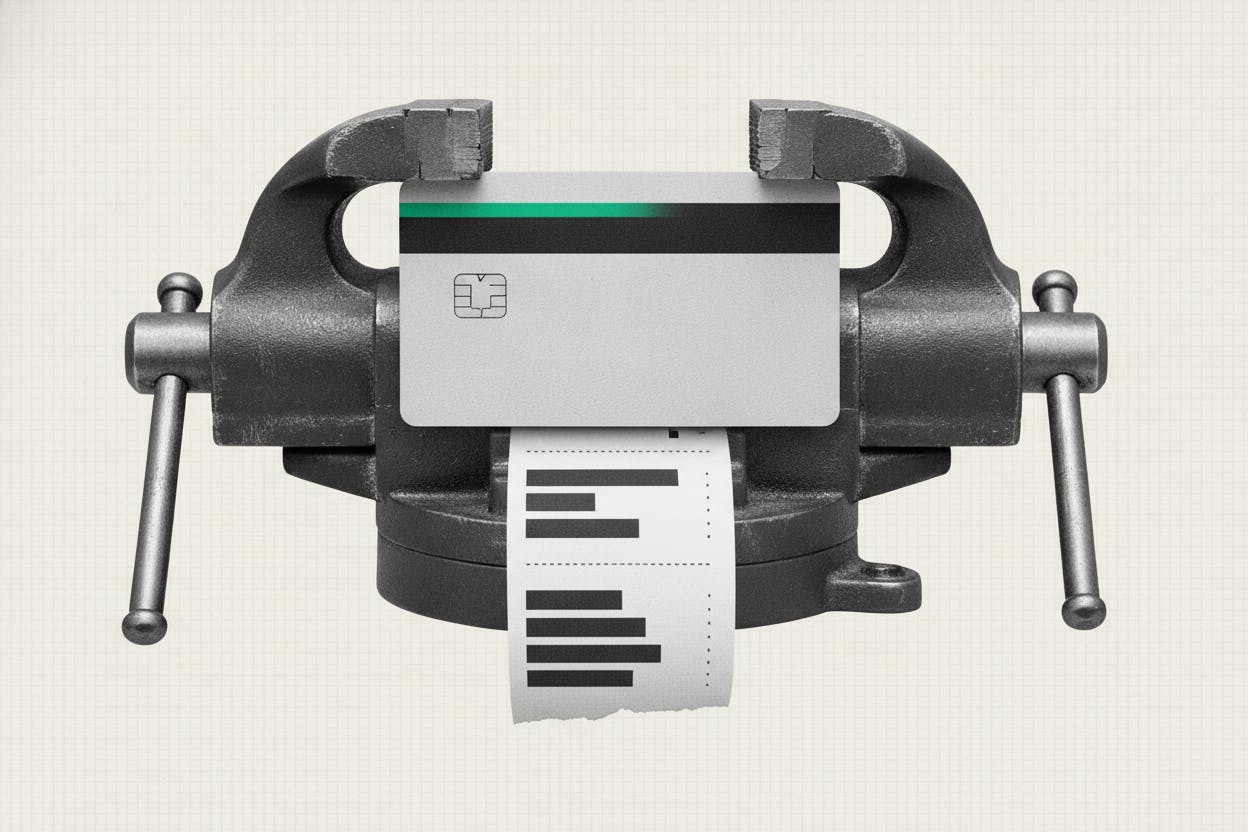
One of Australia's biggest banks is signaling that the consumer engine is losing some steam. ANZ's monthly card spending data for August showed spending was flat compared with July, while the annual growth rate slowed to 4.1% from 6.1% in the previous month. Even fuel and electric vehicle charging spending slipped 1.8%.
The figures come from ANZ's internal card transactions data, which the bank publishes as a high-frequency read on how households are spending between official quarterly economic releases. For everyday investors, this kind of data offers a timely glimpse into the health of the consumer, which drives a large share of economic activity.
What the numbers show
According to ANZ, most spending categories fell in August compared with July. The exceptions were tourism and recreation, along with non-retail services, which rose enough to keep the overall level steady. That suggests Australians are still willing to spend on experiences and services, but are pulling back on goods.
The bank also noted that spending on big-ticket items and hospitality has become choppy. Rather than steadily increasing their purchases, households appear to be spreading discretionary spending out, perhaps waiting for sales or better deals. This kind of behavior is typical when consumers feel uncertain about their finances or the economic outlook.
The 1.8% drop in fuel and EV charging spending is notable. It could reflect lower petrol prices, less driving, or a combination of both. For investors, it's a reminder that energy costs and consumer behavior are closely linked.
Why this matters for investors
Consumer spending is a key driver of economic growth, and signs of cooling can ripple through markets. Retailers, hospitality companies, and even banks themselves are sensitive to how much people are willing to open their wallets. If spending continues to slow, it could weigh on company earnings and economic growth forecasts.
However, one month of data doesn't make a trend. ANZ's card data is just one indicator, and it can be volatile. Investors should watch for confirmation from other sources, such as retail sales figures, consumer confidence surveys, and the next official GDP report.
The slowdown in annual growth from 6.1% to 4.1% is significant, but it's still positive. Spending is growing, just at a slower pace. That's a different situation from a decline, which would be more worrying.
For those with investments in Australian banks, retailers, or consumer-focused companies, this data is worth monitoring. If the cooling trend continues, it could affect revenue and profit margins. On the other hand, if spending stabilizes, it might signal that consumers are simply being more careful, not cutting back entirely.
Broader economic backdrop
Australia's economy has been navigating higher interest rates and persistent inflation, which have squeezed household budgets. The Reserve Bank of Australia has raised rates significantly over the past couple of years to bring inflation down, and that has made borrowing more expensive. As a result, many households have less disposable income, and they're being more selective about what they buy.
This is not unique to Australia. Around the world, central banks have been tightening policy, and consumers in many countries are showing similar signs of caution. For instance, France's services sector slipped back into contraction in August, and Germany's outlook has brightened partly on a spending boost. These global trends can affect trade and investor sentiment.
ANZ's data is one piece of the puzzle. It doesn't tell us everything about the economy, but it does give us a real-time look at how Australians are voting with their wallets. For investors, that's valuable information.
What to watch next
In the coming weeks, investors will be looking at official retail sales data, consumer confidence readings, and any commentary from the Reserve Bank about future rate moves. If spending continues to cool, it could increase pressure on the central bank to consider cutting rates, which would be a different kind of signal for markets.
For now, the takeaway is that Australian consumers are still spending, but they're doing so more cautiously. That's a trend worth keeping an eye on, especially for anyone with exposure to consumer-dependent sectors.
As always, it's important to remember that data like this is backward-looking. It tells us what happened in August, not what will happen in September or beyond. Investors should use it as one input among many when making decisions.