Germany's Ifo institute has turned more optimistic about the country's economic prospects, lifting its growth forecasts for the next two years. The research body now expects Europe's largest economy to expand by 1.4% in 2026 and 1.2% in 2027, a notable upgrade from the 0.8% it predicted for both years in its summer outlook.
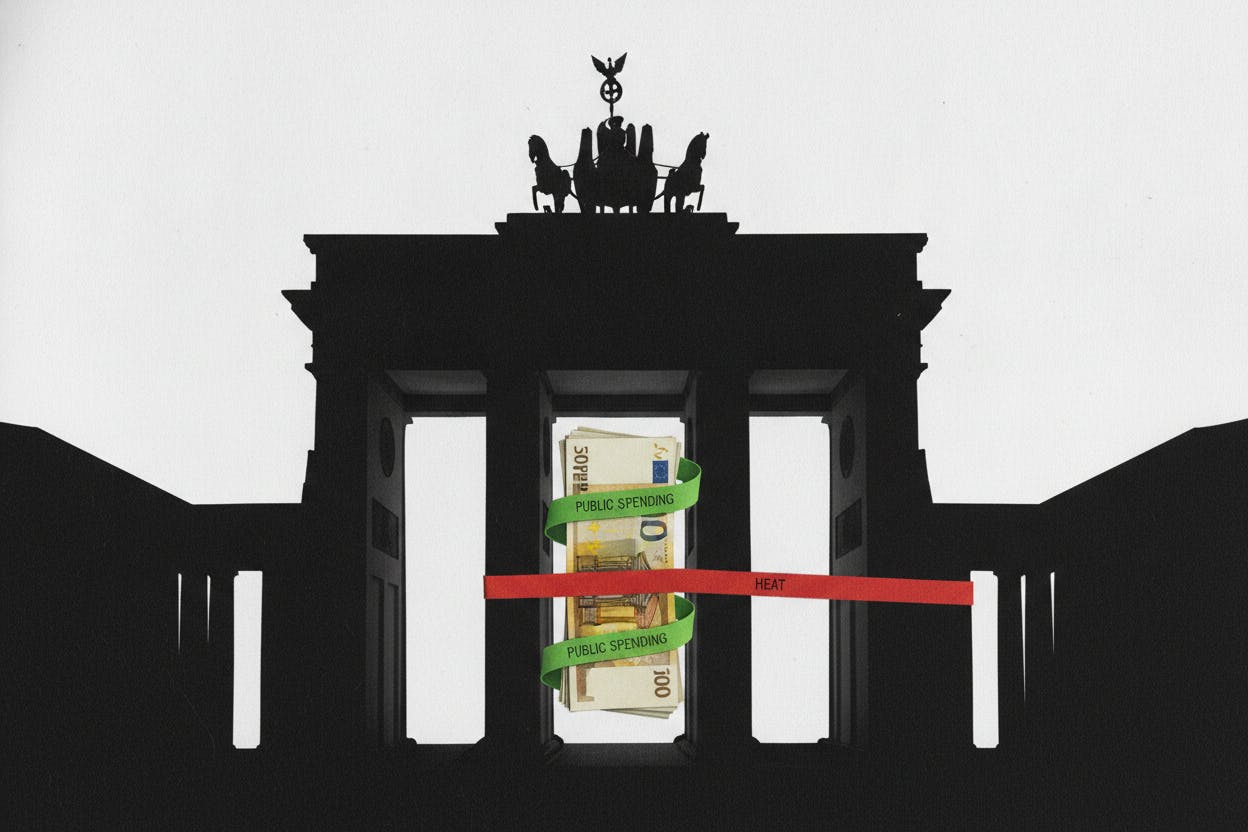
The revision reflects two key forces: a substantial boost from government spending and a pickup in factory orders. These are helping to offset the drag from higher energy prices, which had earlier clouded the outlook.
What's behind the upgrade?
Ifo's new projections incorporate nearly €40 billion in additional fiscal spending, a significant injection that is expected to stimulate demand across the economy. Government spending can directly support growth by funding infrastructure, public services, and other projects, which in turn creates jobs and income.
At the same time, factory orders have strengthened, suggesting that industrial activity—a crucial pillar of the German economy—is gaining momentum. This is a positive signal for manufacturers and their suppliers, and it helps explain why Ifo is more confident about the near-term path.
The upgrade also benefits from a better starting point. Revised official data and a stronger-than-expected start to 2026 led Ifo to estimate that output actually grew by 0.3% in the second quarter, rather than the flat reading it had previously anticipated after an energy-price shock. That means the economy is entering the forecast period with more momentum than initially thought.
Looking further ahead, Ifo expects growth to ease to 0.8% in 2028, suggesting that the boost from fiscal spending may fade over time.
Why it matters for investors
For everyday investors, this is a meaningful signal about the health of Europe's economic engine. Germany is a major trading partner for many countries, and its growth prospects can influence corporate earnings, export demand, and even interest rate decisions by the European Central Bank.
A stronger German economy could support European stocks, particularly companies with heavy exposure to domestic demand or industrial production. It may also reduce the need for aggressive monetary stimulus, which could affect bond yields and currency markets.
However, the outlook is not without risks. Higher energy prices remain a concern, and they could weigh on consumer spending and industrial competitiveness. Ifo's forecast assumes that the positive effects of fiscal spending and orders will outweigh these pressures, but that balance could shift if energy costs climb further.
Investors should also note that this is just one institute's view. Other forecasters, such as the Kiel Institute, have offered more cautious perspectives, with some seeing growth fading by 2028. It's wise to consider a range of forecasts rather than relying on a single source.
What to watch next
Key indicators to monitor include monthly factory order data, inflation readings, and energy price trends. Any significant deviation from Ifo's assumptions could prompt further revisions, either up or down.
For those with exposure to European markets, the coming months will reveal whether the fiscal spending translates into tangible economic activity. The services sector has been a weak spot, with a recent PMI reading of 49.7 indicating contraction, so a sustained recovery will need to broaden beyond manufacturing.
Germany's outlook is also part of a wider European picture. While Switzerland posted its strongest growth since 2021, other economies are showing mixed signals. The Federal Reserve's Beige Book noted steady growth but lingering risks, and similar dynamics are at play in Europe.
Ultimately, Ifo's upgrade is a welcome sign for Germany, but it's not a guarantee of smooth sailing. Investors should keep an eye on the data and be prepared for adjustments as new information emerges.