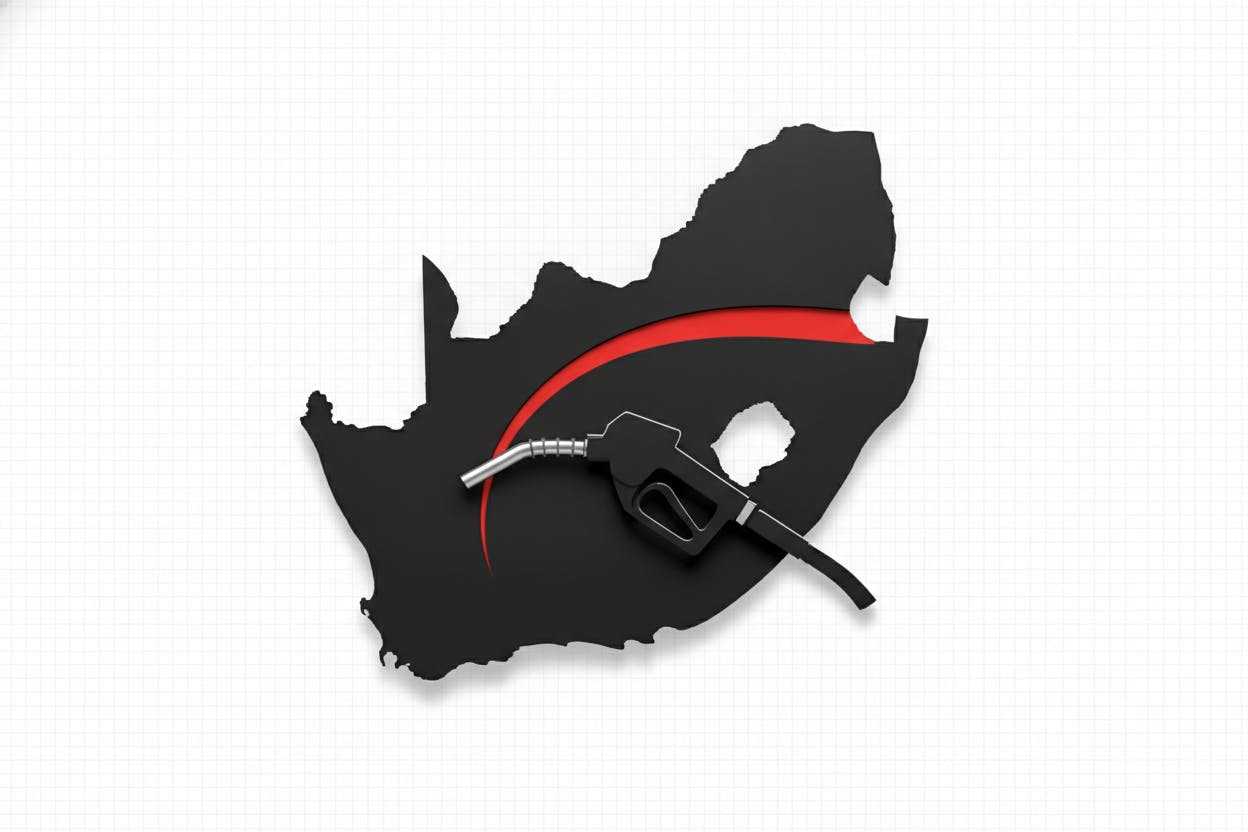
South Africa's economy shrank 0.2% in the second quarter, marking its first contraction in almost two years, as the ongoing Iran war pushed fuel prices higher and dampened demand across key sectors. The decline, driven by weakness in mining, manufacturing, and trade, has left economists debating whether the country can still achieve growth of 1.2% to 1.5% for the full year.
What happened
Gross domestic product (GDP) — the broadest measure of economic output — fell 0.2% in the April-to-June period compared with the previous quarter. That reverses the modest growth seen in the first quarter and snaps a run of expansion that had lasted nearly two years.
The contraction was led by three of South Africa's most important industries:
- Mining — a cornerstone of the economy, weakened as global demand softened and costs rose.
- Manufacturing — output declined, reflecting higher input costs and slower consumer spending.
- Trade — retail and wholesale activity cooled as households felt the pinch of higher fuel prices.
The Iran war has been a key factor, pushing up global oil prices and, in turn, raising the cost of petrol and diesel in South Africa. Since fuel is a major input for transport and production, higher prices ripple through the economy, squeezing both businesses and consumers.
Why it matters
For everyday South Africans, a shrinking economy often translates into fewer job opportunities, slower wage growth, and higher prices for goods and services. The contraction also puts pressure on government finances, as tax revenues tend to fall when economic activity slows.
The news has already been reflected in the currency. The rand slipped ahead of the GDP release, as investors braced for the contraction, and it has remained under pressure since. A weaker rand makes imports more expensive, which can feed into inflation and prompt the central bank to keep interest rates higher for longer.
What economists are watching
The big question now is whether the economy can still grow by 1.2% to 1.5% this year, as some forecasters had hoped. The second-quarter contraction makes that target harder to reach, but not impossible — a strong rebound in the second half could still lift the annual figure.
Much depends on the path of the Iran war and global oil prices. If fuel costs stay high, consumers will continue to feel the squeeze, and businesses may hold back on investment. On the other hand, a de-escalation could bring relief, lowering costs and boosting confidence.
Investors will also be watching for any signs of policy response. The South African Reserve Bank has been focused on fighting inflation, and a weaker economy could complicate its decisions. If growth continues to falter, the bank might face pressure to cut rates, but that could reignite price pressures.
What it means for investors
For investors, the contraction is a reminder of the risks tied to South African assets. The rand, government bonds, and local stocks are all sensitive to the country's growth prospects. A weaker economy can hurt corporate earnings, especially in sectors like mining and retail, which are directly exposed to domestic demand.
However, some investors may see the pullback as a buying opportunity, particularly if they believe the slowdown is temporary. South Africa's economy has shown resilience in the past, and a recovery in global commodity prices or a resolution to the Iran conflict could quickly change the picture.
As always, diversification remains key. Investors with exposure to South Africa should consider how it fits into their broader portfolio and whether they are comfortable with the level of risk.
The bigger picture
South Africa is not alone in facing headwinds. The Iran war has disrupted global supply chains and pushed up energy costs worldwide, affecting economies far beyond the region. The German factory output has also slowed, and other emerging markets are feeling similar pressures.
For now, the focus is on whether South Africa can avoid a prolonged downturn. The next few months will be crucial, as economists and investors watch for signs of a rebound in the third quarter. The rand's performance, as seen in recent currency movements, will be one indicator to track.
In the meantime, the contraction serves as a stark reminder of how global events can shape local economies. For South Africans, the hope is that the current weakness proves temporary and that growth resumes before the year is out.