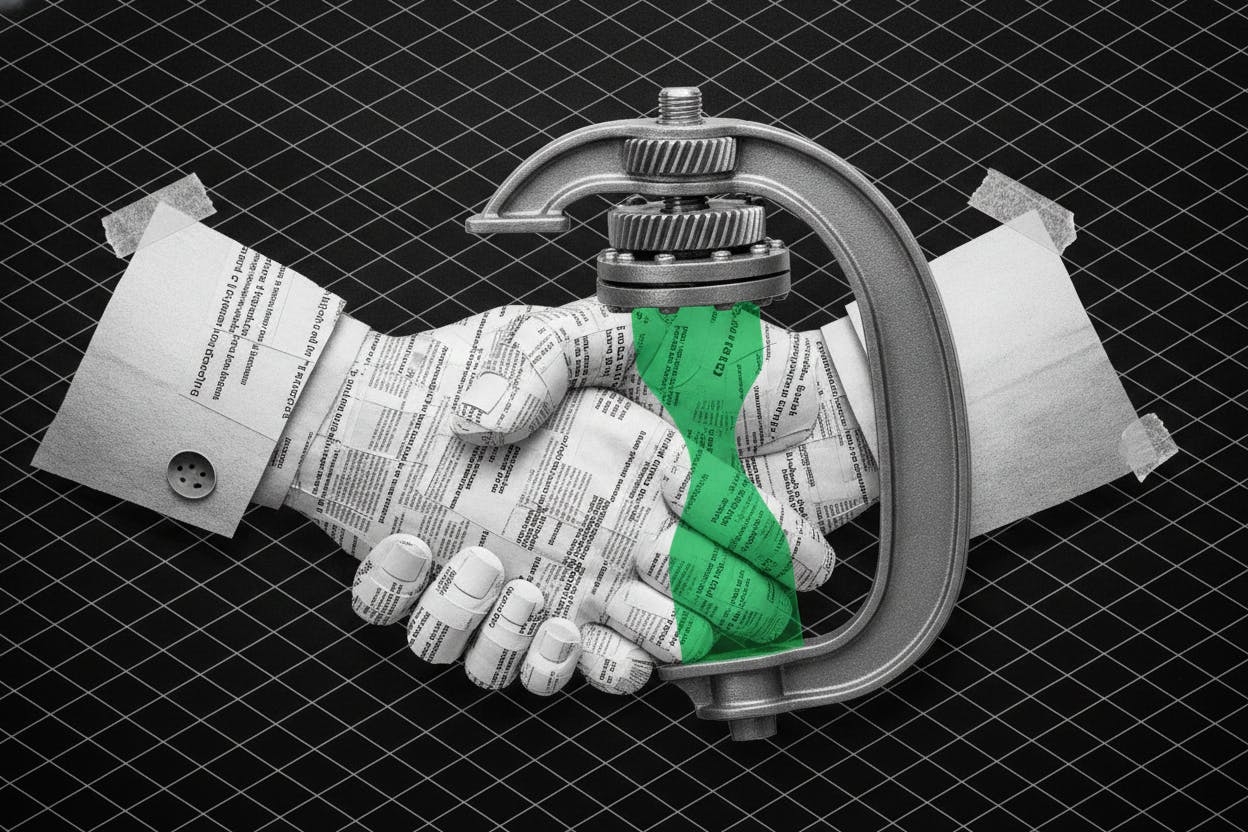
Dealmaking is off to a strong start, with a flurry of large acquisitions announced across insurance, pharmaceuticals, and energy. The biggest of these is Aon's $17 billion agreement to buy USI Insurance Services from private equity firm KKR, a move that would reshape the insurance brokerage landscape.
Alongside that headline transaction, drugmaker Eli Lilly has agreed to pay up to $2.88 billion for Merida, and energy infrastructure company ONEOK is spending $4.43 billion on Permian Basin gas assets. Together, the three deals signal that corporate boards and private equity funds remain confident enough to commit big capital, even as interest rates and economic uncertainty linger.
What's driving the deal wave?
Mergers and acquisitions tend to cluster when companies see strategic opportunities that outweigh the costs of borrowing. With many firms sitting on strong balance sheets and some valuations still reasonable, buyers are finding it attractive to expand into new markets or consolidate existing ones.
Aon's purchase of USI is a prime example. Aon is already one of the world's largest insurance brokers, and adding USI—which focuses on middle-market clients—would deepen its reach. For KKR, the sale is a chance to cash out on an investment it has held for years, likely at a substantial profit. Such private equity exits are a common way that large deals get done, as funds look to return money to their investors.
In pharma, Eli Lilly's deal for Merida fits a pattern of drugmakers buying smaller biotech firms to gain access to promising pipelines. Lilly has been one of the hottest names in the sector thanks to its weight-loss and diabetes drugs, and this acquisition could help it diversify or strengthen its portfolio. The "up to" $2.88 billion price tag suggests part of the payment may be tied to milestones, such as successful clinical trials or regulatory approvals.
ONEOK's purchase of Permian gas assets is all about energy infrastructure. The Permian Basin, which spans parts of Texas and New Mexico, is the heart of U.S. oil and gas production. By buying gas gathering and processing assets there, ONEOK is betting that natural gas output will keep growing, and that it can profit from moving that gas to market.
What it means for investors
For everyday investors, a wave of big deals is often a positive signal. It suggests that corporate leaders see value in the economy and are willing to put money to work. Acquisitions can also boost the share prices of target companies, since buyers typically pay a premium over the current market price.
However, deals also carry risks. Buyers sometimes overpay, and integrating a new business can be messy. For shareholders of the acquiring company, the immediate effect can be a dip in the stock as the market worries about debt or execution. That's why it's important to look at the strategic logic behind a deal, not just the headline number.
For those invested in the sectors involved, the news is worth watching. Insurance brokers could see more consolidation, which might affect competition and pricing. In pharma, continued M&A could mean more innovation but also higher drug prices. In energy, more infrastructure investment could support production growth but also raise environmental concerns.
It's also worth noting that deal activity often comes in waves. When one big transaction is announced, rivals may feel pressure to respond, leading to a flurry of follow-on deals. That could create opportunities for investors in companies that become takeover targets, though predicting who's next is never easy.
As always, the key is to stay informed and think about how these developments fit into your own financial goals. Deals like these are part of the normal rhythm of markets, and they can be a source of both opportunity and risk.



