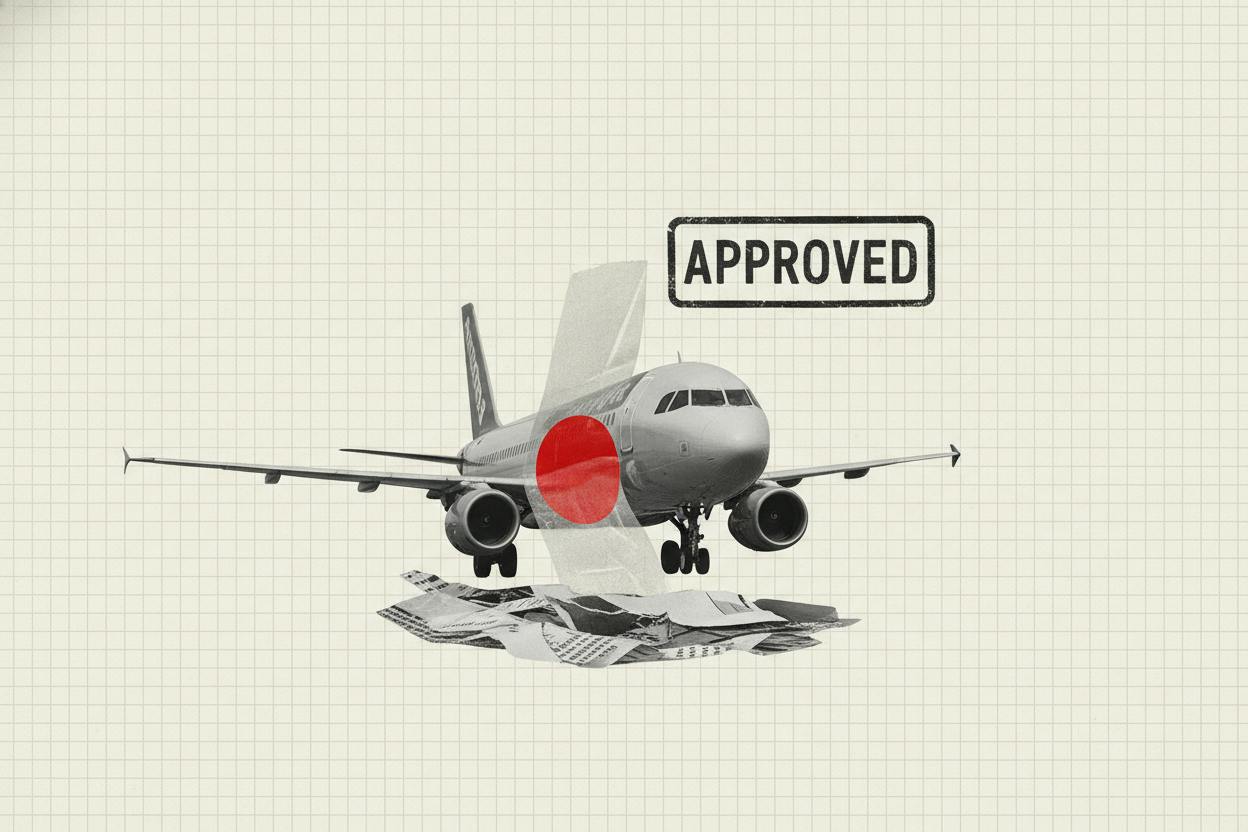
EasyJet's chief executive, Kenton Jarvis, says the airline's £5.70 billion ($7.53 billion) takeover by Apollo Global Management is expected to complete in early 2027, with shareholders largely on board. The bigger question mark, he told Bloomberg, is regulators.
Jarvis said he sees “no meaningful shareholder resistance” to the deal, including from the family of founder Stelios Haji-Ioannou, which holds a 15.3% stake. That support reduces the risk of the deal being derailed from within as the process moves into a more formal phase.
The next milestone is a scheme document, due to be published next week, which will lay out the terms for EasyJet shareholders to vote on. Apollo, a US private equity giant, agreed to buy the British carrier in August, ending months of speculation about the airline's future.
Why regulators are the wild card
While shareholder approval looks likely, the deal still needs clearance from competition authorities in the UK and Europe. Regulators will examine whether the takeover would reduce competition on key routes, particularly those where EasyJet is a major player.
This is a standard part of any large airline merger or acquisition. Regulators often demand remedies, such as selling off slots at busy airports, to protect consumers. In some cases, they can block a deal outright if they believe it would lead to higher fares or fewer choices.
For EasyJet, the scrutiny could be intense because the airline is one of Europe's largest low-cost carriers, with a strong presence at airports like London Gatwick and several in continental Europe. Apollo, which also has investments in other sectors, would be taking control of a business that operates hundreds of aircraft and serves millions of passengers a year.
The timeline for regulatory review is often lengthy, which is why the deal is not expected to close until early 2027. That gives authorities time to conduct a thorough investigation, and gives the companies time to address any concerns.
What it means for investors
For everyday investors, the key takeaway is that the deal is not done yet. While the CEO's comments are reassuring, the regulatory process is unpredictable. If regulators impose tough conditions, the deal could be delayed or even collapse, which would likely hit EasyJet's share price.
Investors who hold EasyJet shares are essentially betting that the deal will complete at the agreed price. If it does, they will receive the cash offer. If it doesn't, the shares could fall back to levels seen before the bid was announced.
Apollo's involvement is part of a broader trend of private equity firms eyeing European airlines, which have seen their valuations recover as travel demand rebounds. The firm is also active in other sectors, including a recent bid for Germany's Uniper, showing its appetite for large, complex deals.
For those watching the wider market, the EasyJet deal is a reminder that M&A activity can be a driver of stock moves. But it also highlights the risks, as regulatory hurdles can turn a sure thing into a long, uncertain process.
As the scheme document is published next week, investors will get more details on the timeline and any conditions. Until then, the main thing to watch is how regulators respond. As Jarvis noted, that's the biggest variable.