VodafoneThree, the newly formed UK mobile operator combining Vodafone UK and Three UK, has raised its cost-savings ambition. The company now expects to achieve £1 billion in annual savings by fiscal 2032, up from its previous target of £700 million by fiscal 2030. The new goal also includes an interim milestone of £800 million in savings by fiscal 2030.
The revised target reflects the company's push to prove that the merger can generate more cash. Telecom operators often face heavy spending on network infrastructure, and cutting duplicated costs is one of the few levers they can pull while integrating two networks into one.
Why the bigger target?
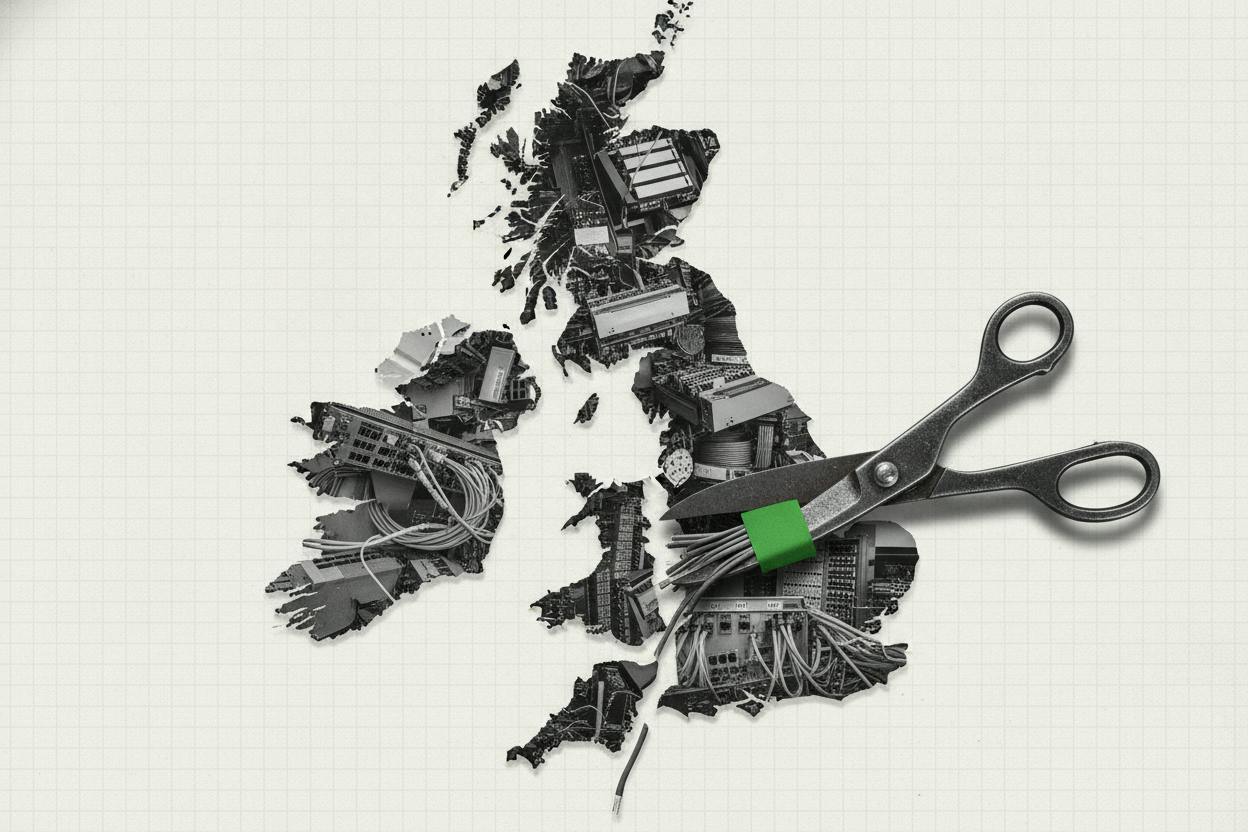
When two mobile networks merge, they often have overlapping cell sites, back-office systems, and retail operations. Eliminating those redundancies is a primary way to unlock value. VodafoneThree's management says the savings should help lift adjusted earnings before interest, taxes, depreciation, and amortization after leases (EBITDAaL) at a mid-to-high single-digit compound annual growth rate from fiscal 2025 to fiscal 2032. Operating free cash flow is expected to more than triple over the same period.
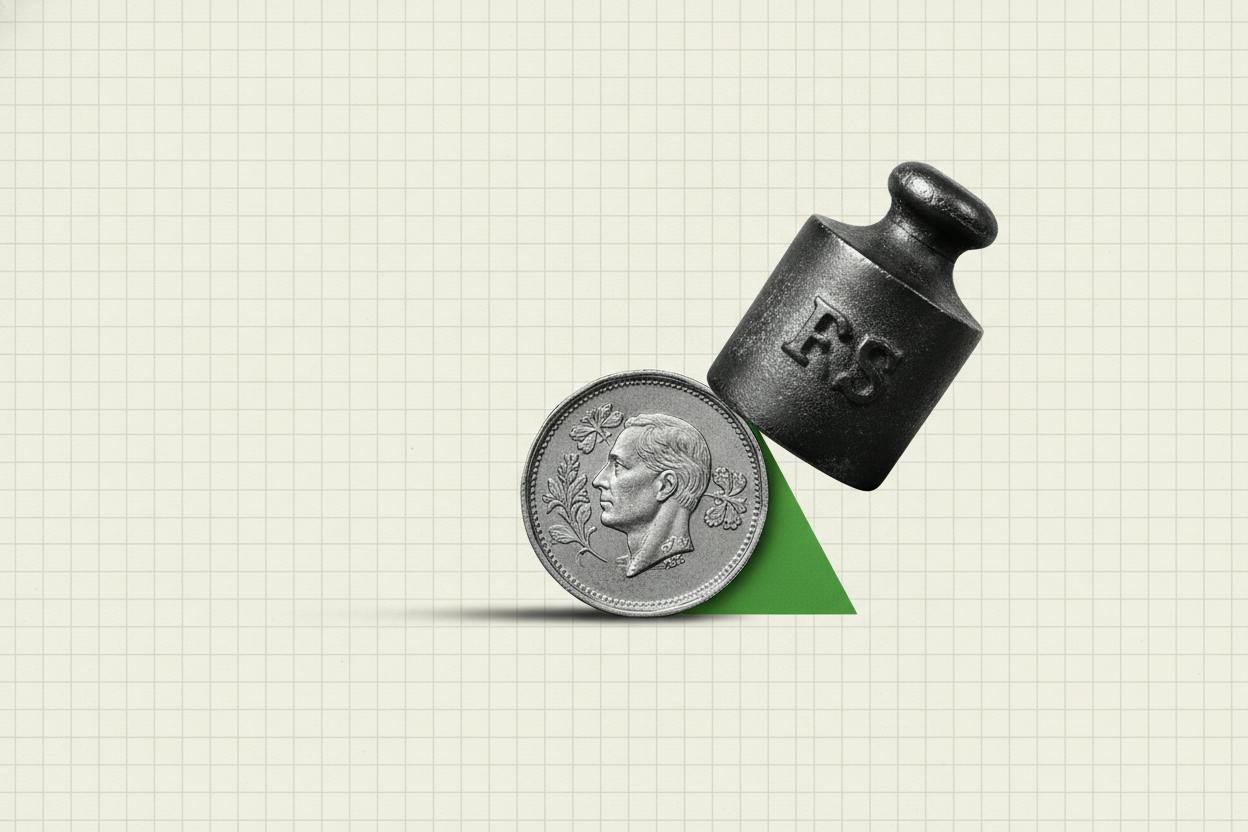
The longer-dated goal is really about returns. The company expects its return on capital to exceed its cost of capital by fiscal 2032, and to be “materially” higher by fiscal 2034. In plain terms, that means the combined business should eventually earn more from its investments than it costs to fund them.
What it means for investors
Telecom mergers live or die on whether cost cuts translate into better cash generation in a business that needs constant network spending. If VodafoneThree can hit its savings milestones and then more than triple operating free cash flow by fiscal 2032 compared with fiscal 2025, it will have more scope to pay for integration and upgrades from internal cash rather than leaning as much on borrowing or asset sales.
Investors tend to focus on that return-on-capital line in the sand. When a company earns less on its assets than it pays to finance them, growth can quietly destroy value. Once returns move above funding costs, the same spending starts to add value instead. That is why the company's explicit goal of exceeding its cost of capital by fiscal 2032 is a key metric to watch.
The backdrop for telecoms is also important. Many operators are investing heavily in 5G and fiber, which require significant upfront capital. At the same time, global borrowing costs have risen, making it more expensive to fund those investments with debt. That makes internal cash generation even more valuable.
For everyday investors, the news is a reminder that mergers in capital-intensive industries often hinge on execution. The savings targets are ambitious, and hitting them will depend on the company's ability to integrate two networks smoothly while maintaining service quality and customer retention. If VodafoneThree can deliver, it could strengthen its financial position and potentially support dividends or further investment. If it falls short, the promised returns may take longer to materialise.
The company's focus on returns also echoes broader trends in the sector. Other companies have pursued similar cost-saving strategies to boost profitability, though each faces its own challenges. In telecoms, the key is balancing cost cuts with the need to keep networks competitive.
Investors will likely watch quarterly updates for progress on the savings milestones and any signs that the integration is on track. The fiscal 2030 and 2032 targets are far off, but the company's ability to meet interim goals will be a test of its execution.
In the meantime, the merger's success will also depend on regulatory and competitive dynamics in the UK market. With two major networks now combined, the company will need to navigate pricing pressures and consumer demand while delivering on its financial promises.
For now, the raised savings target is a clear signal that VodafoneThree intends to make the merger pay off. Whether it can turn those savings into lasting value for shareholders will be one of the key stories to follow in the coming years.