Bond investors pushed yields higher again on Thursday, sending borrowing costs from the United States to France, Britain, and Japan to multi-year highs. In the US, the 10-year Treasury yield touched 5.34% – its highest level since 2002, according to Reuters.
The move is a stark reminder that the era of ultra-cheap money is firmly in the rearview mirror. For everyday investors, rising yields ripple through everything from mortgage rates to stock valuations.
Why the 10-year Treasury matters
The 10-year Treasury is often called the world's most important number. It's the benchmark for borrowing costs globally: when it rises, governments and companies typically pay more to issue debt, and investors may rethink what they're willing to pay for stocks and corporate bonds.
Thursday's move wasn't driven by a single headline. State Street, an asset manager, noted there wasn't one clear catalyst, and that some traders may have been forced to close losing bets as yields climbed – a technical factor that can amplify moves.
But the broader pressures are well known. Large government deficits mean more debt supply, which tends to push yields up. Central banks, including the Federal Reserve, have kept interest rates elevated to fight inflation, and that keeps short-term yields high. And a surge in demand for funding to build artificial intelligence infrastructure – data centers, chips, and energy – is adding to the borrowing pile.
Global ripple effects
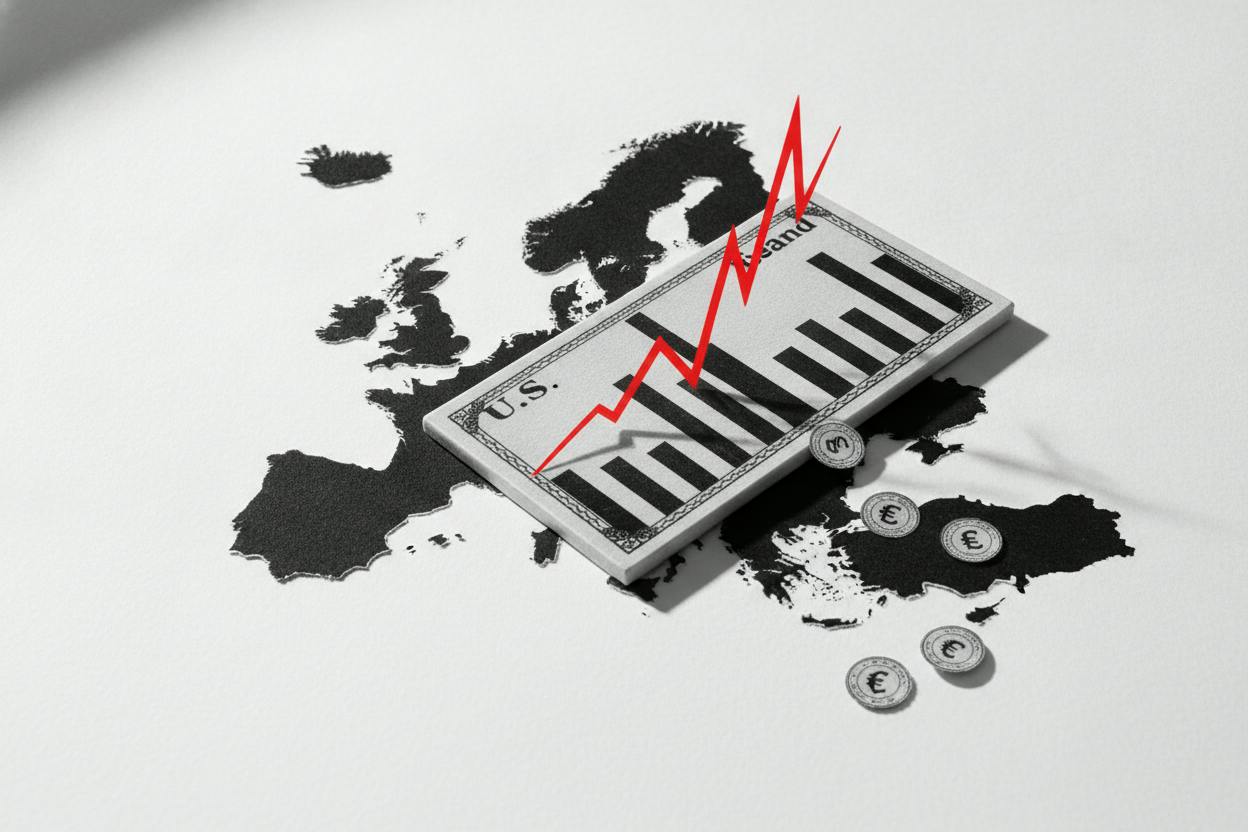
The US is not alone. In Europe, French borrowing costs hit an 18-year high as investors demand a bigger premium over Germany. British and Japanese yields have also climbed, reflecting a synchronized global reset in bond markets.
Higher yields have already weighed on stocks. European stocks slipped as yields held near multi-year highs, and the pressure is global. Even cooler US inflation failed to budge bond yields, underscoring how persistent these forces are.
Currency markets are feeling it too. The euro dropped below $1.13, hitting a 17-month low, as energy costs and politics weigh. The Australian and New Zealand dollars also slid as US yields stay high, making the dollar more attractive.
What it means for investors
For investors, the key takeaway is that the "risk-free" rate – the return you can get from a government bond – is now much higher than it was a few years ago. That changes the calculus for stocks: when bonds pay more, investors demand higher returns from equities to justify the extra risk.
Growth stocks, especially in tech, are often the most sensitive because their value depends on profits far in the future, which get discounted more heavily when rates are high. That's one reason AI-related tech stocks have been volatile even as demand for AI infrastructure booms.
For bond investors, higher yields mean better income, but also the risk of capital losses if you sell before maturity. For borrowers, from homebuyers to companies, the cost of financing has gone up, which can slow economic activity.
Looking ahead, investors will watch whether yields keep climbing or stabilize. If they push much higher, it could put more pressure on stocks and potentially slow the economy. If they ease, it could provide relief. For now, the bond market is sending a clear message: the era of cheap money is over.