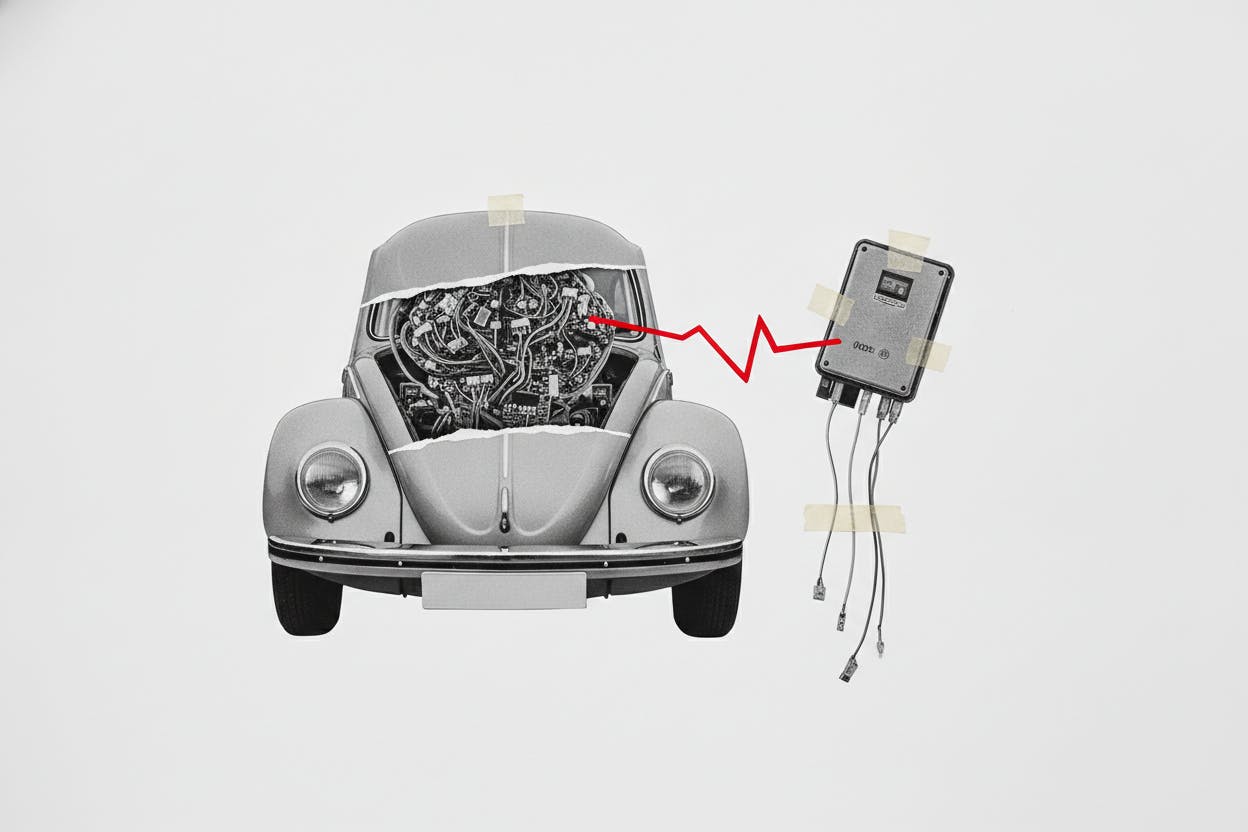
Apple has quietly raised prices on several iPad and Mac configurations, blaming a surge in memory chip costs that it says has become too large to absorb. The increases, which took effect this week, hit the higher-storage versions of its most popular laptops and tablets — the models Apple typically uses to upsell shoppers.
The MacBook Air with 512GB of storage now costs $1,299, up from $1,099. The MacBook Pro with 1TB jumps to $1,999 from $1,699. And the iPad Air with 128GB rises to $749 from $599. Apple also lifted the entry price of its new MacBook Neo to $699 from $599, narrowing the gap with competing Windows laptops.
Why Memory Costs Are Spiking
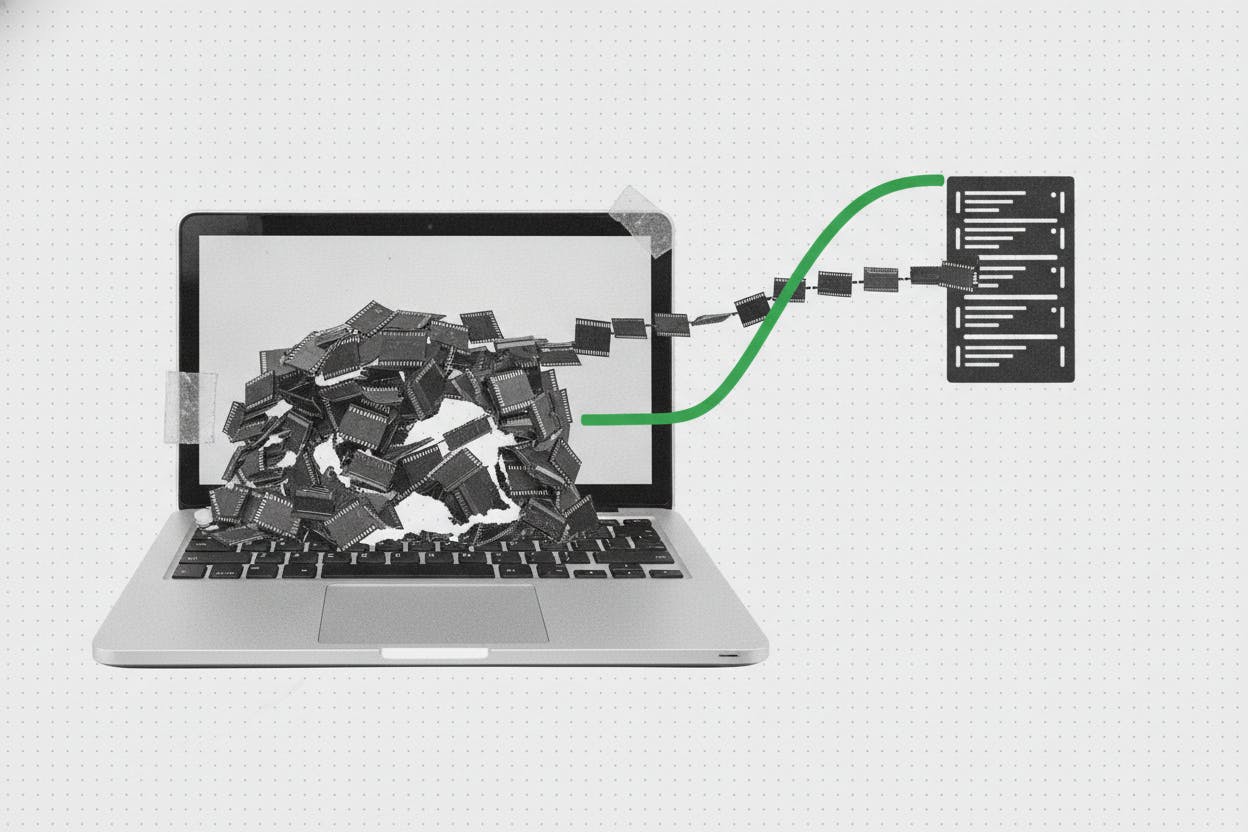
The culprit is DRAM, a type of memory chip used in everything from phones to PCs. Prices for DRAM have soared as chipmakers prioritize long-term contracts for AI data centers, leaving less supply for consumer devices. According to research firm TrendForce, DRAM prices rose as much as 98% in the first quarter of 2026 and could climb another 58% to 63% in the current quarter.
Apple said it had “shielded” customers from these cost increases for a while, but the pressure has become too intense. The company expects higher memory costs to continue biting beyond the June quarter, suggesting more price adjustments could be on the horizon.
iPhone Prices Stay Put
Notably, Apple left iPhone pricing unchanged. The iPhone is Apple’s biggest revenue generator, and the company appears to be protecting demand in that category while using its Mac and iPad lines to absorb more of the shock. This selective approach suggests Apple is trying to balance profitability with maintaining its core customer base.
The move also reshapes Apple’s competitive positioning. The MacBook Neo now starts at $699, matching Dell’s XPS 13 and sitting above some entry-level Chromebooks from Lenovo and Asus. That makes Apple’s cheapest-laptop pitch less distinctive at a time when the broader PC market is cooling.
What It Means for Investors
For everyday investors, this story highlights how the AI boom is creating ripple effects far beyond data centers. The same chips that power AI training models are also used in consumer electronics, and when demand surges, prices rise across the board.
Apple’s price hikes are concentrated on higher-capacity models because those contain more of the expensive components. That means the premium for extra storage is rising faster than the headline price of the base model. Shoppers looking at a 512GB MacBook Air will feel the pinch more than someone buying the entry-level version.
Investors should watch whether these price increases hurt demand for Macs and iPads, or whether Apple’s brand loyalty allows it to pass costs through without losing customers. The company’s decision to hold iPhone prices steady suggests it is more cautious about its smartphone business, which remains the profit engine.
For context, Apple’s memory chip suppliers like Micron have seen their stocks surge on AI demand, as Micron's AI demand signal drove the Nikkei to a record close. But the flip side is that higher chip costs are now hitting consumer device prices.
The broader lesson: when a key component like DRAM doubles in price, the cost eventually flows through to the end customer. For Apple investors, the key question is whether the company can maintain its margins without sacrificing sales volume. For consumers, it means the days of cheap storage upgrades may be over — at least until chip supply catches up with AI demand.