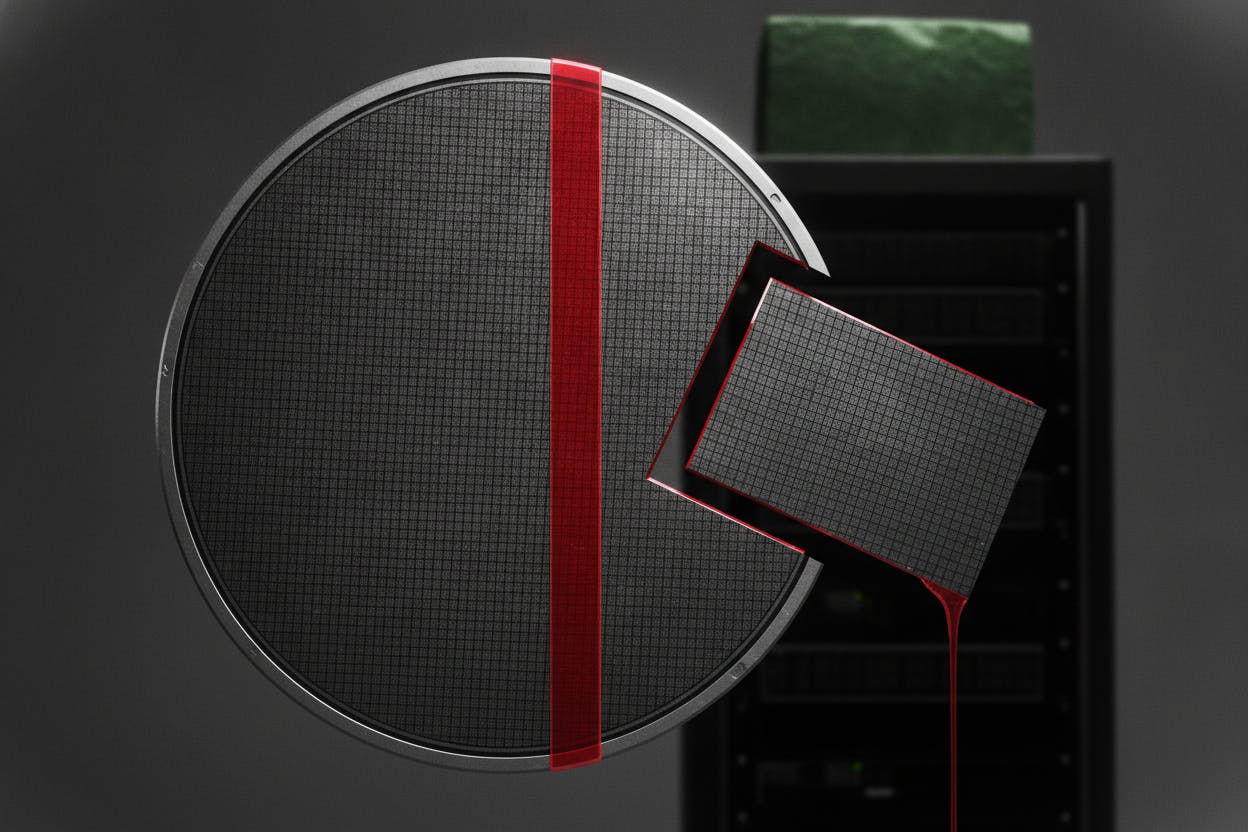
Semiconductor stocks led a broad tech decline on Tuesday after two of the industry's biggest names made headlines for capital-raising moves. Intel said it would sell $15 billion of common stock, while Nvidia was reported to be exploring a $500 billion funding plan for AI infrastructure. The news weighed on chipmakers and pulled the sector lower.
What happened
The SPDR S&P Semiconductor ETF fell 2.4%, and the Philadelphia Semiconductor Index dropped about 2%. By contrast, the Technology Select Sector SPDR Fund, which includes a broader mix of tech companies, was down just 0.3%. That gap shows the selling was concentrated in chipmakers rather than the tech sector as a whole.
The main catalyst was Intel's announcement that it would offer $15 billion of common stock in a public offering, with proceeds going toward general corporate purposes. When a company issues new shares, the market has to absorb the extra supply, and that typically requires a lower price to entice buyers. Existing shareholders also face dilution, meaning their ownership stake is spread across a larger number of shares.
Intel has been under pressure as it tries to turn around its business and expand its foundry operations, which manufacture chips for other companies. The company has been spending heavily to compete with rivals like TSMC and Samsung, and a share sale is one way to raise cash without taking on more debt. But investors often view such offerings as a sign that a company's stock is not the best value, or that it needs capital quickly.
Nvidia's AI funding talks
Separately, reports emerged that Nvidia was in discussions about a $500 billion plan to fund AI infrastructure. The scale of that number is staggering—more than the annual GDP of many countries. While Nvidia is the dominant maker of AI chips and has seen its revenue soar, the prospect of such a massive spending program raised questions about whether the industry is overbuilding and whether returns will justify the investment.
For context, AI infrastructure includes data centers, networking equipment, and the specialized chips that power large language models and other AI applications. Companies like Microsoft, Amazon, and Google have already committed tens of billions of dollars to AI data centers, and Nvidia's potential involvement would add another layer of complexity. The talks are reportedly exploratory, and no deal is imminent, but the sheer size of the figure spooked some investors who worry about a bubble in AI-related spending.
What it means for investors
For everyday investors, the key takeaway is that chip stocks can be volatile when big companies make capital moves. A share offering like Intel's is a reminder that dilution is a real risk for shareholders. When a company issues new stock, the pie gets bigger, but each slice is worth less unless the company uses the proceeds to generate enough growth to offset the dilution.
Intel's offering is particularly notable because the company has been struggling to regain its footing. Its stock has lagged the broader market over the past few years, and the share sale could be seen as a sign that management needs cash to fund its turnaround. Investors will be watching to see how the company uses the proceeds and whether it can execute on its foundry strategy.
Nvidia's situation is different. The company is highly profitable and has a dominant position in AI chips, but a $500 billion funding plan would be a massive bet on the future of AI. If the industry's spending slows or if competition intensifies, that bet could look less attractive. For now, the talks are just that—talks—but they highlight how much money is flowing into AI infrastructure and how much of the market's optimism is tied to that trend.
Broader market context
The tech sector has been a major driver of market gains in recent years, and chip stocks in particular have benefited from the AI boom. But that also means they are sensitive to any signs of trouble. When a leading company like Intel announces a large share sale, it can ripple through the sector as investors reassess valuations.
Other recent market moves have also been influenced by tech and chip news. For example, healthcare stocks got a boost from Eli Lilly's UK approval, while oil prices and rising yields left US stocks mixed. These cross-currents show how different sectors can move in opposite directions on the same day.
Investors should also keep an eye on how Intel's offering is received. If the market absorbs the shares without too much pain, it could be a positive sign. But if the stock continues to slide, it might signal deeper concerns about the company's prospects. Similarly, any further news about Nvidia's AI funding plans could move the entire sector.
The bottom line
Tuesday's decline in chip stocks is a reminder that even the hottest sectors can stumble when companies make big financial moves. For investors, the takeaway is to understand the implications of share offerings and mega-funding plans. Dilution can hurt existing shareholders, and massive spending bets carry risk, even if they are aimed at the next big thing.
As always, it's important to focus on the long term rather than reacting to daily swings. Chipmakers remain central to the technology economy, and AI is still a powerful growth driver. But the market's reaction to Intel's and Nvidia's moves shows that investors are paying close attention to how these companies manage their capital and whether the spending will pay off.