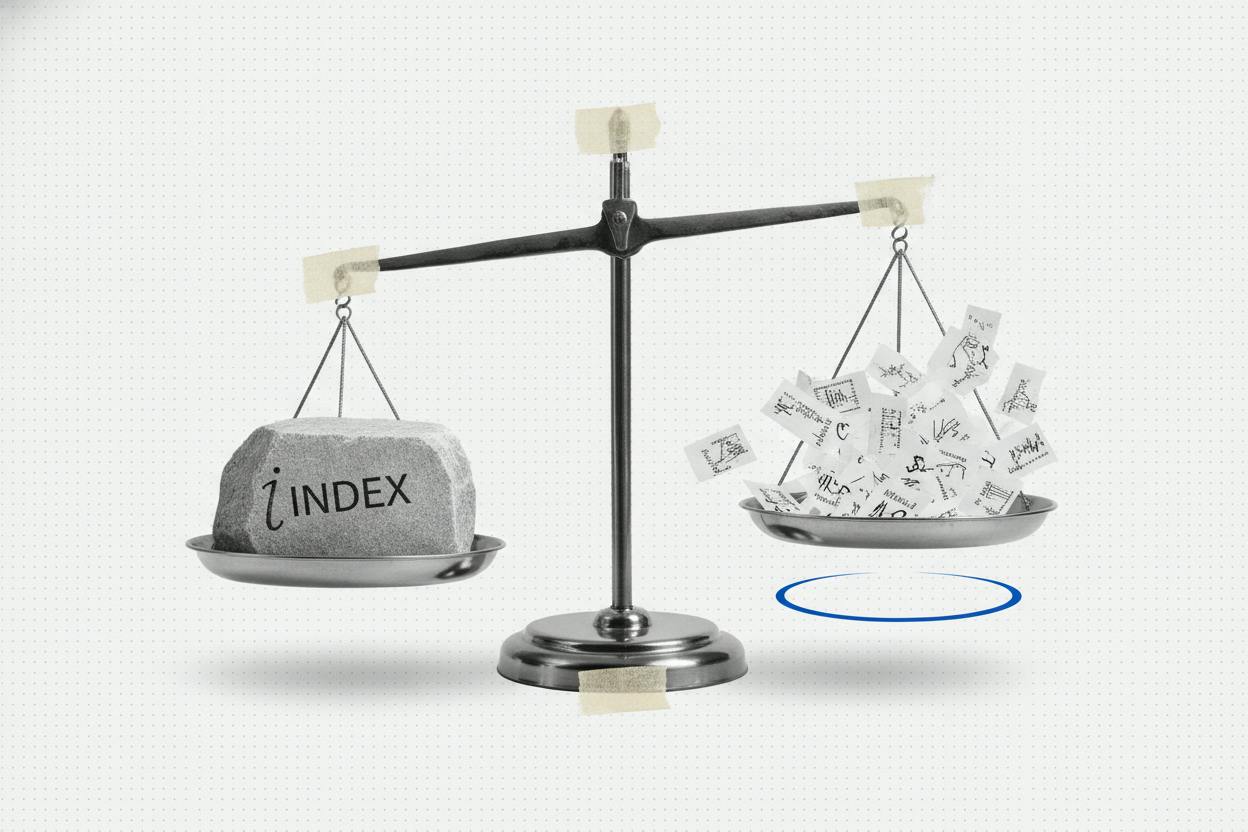
Healthcare stocks started the week on a positive note, with major sector funds posting gains. The Health Care Select Sector SPDR Fund (XLV) rose 1.3%, while the iShares Biotechnology ETF (IBB) added 1%. But the headline numbers masked a more nuanced picture: the advance was powered by a handful of big stories rather than broad strength across every corner of the industry.
Eli Lilly's UK win
The biggest driver was Eli Lilly, one of the sector's largest companies. Its shares climbed 2.6% after the UK's Medicines and Healthcare products Regulatory Agency (MHRA) granted authorization for orforglipron, a once-daily pill sold under the brand name Foundayo. The drug is designed for weight loss and diabetes, putting it squarely in one of the hottest areas of pharmaceutical development.
Orforglipron is part of a new wave of oral treatments that could offer an alternative to injectable drugs like Ozempic and Wegovy. For patients, a daily pill is often more convenient than a weekly injection, which could help expand the market. For Eli Lilly, the UK approval is another step in building a portfolio of weight-loss and diabetes treatments, a franchise that has become a major growth engine for the company.
The approval also signals that regulators are willing to clear oral GLP-1-style drugs, which could open the door for more competition in a market that has seen explosive demand. Investors have been closely watching this space, and any regulatory progress tends to move shares.
Sionna's setback
Not every healthcare stock shared in the gains. Sionna Therapeutics slid after reporting disappointing results from a phase 2a trial. The company is developing treatments for cystic fibrosis, a genetic condition that affects the lungs and other organs. A phase 2a trial is an early-stage study that tests safety and how well the drug works in a small group of patients. A setback at this stage can be a serious blow, as it raises questions about whether the drug will ultimately succeed.
Sionna's decline was a reminder that biotech investing carries significant risk. Unlike large pharmaceutical companies with diversified revenue streams, smaller biotechs often depend on a single drug candidate. A failed trial can wipe out a large portion of a company's value, while a successful one can lead to huge gains. For everyday investors, this is why diversification matters: a single biotech stock can be a lottery ticket, but a broad biotech fund spreads that risk across many companies.
What it means for investors
The mixed moves in healthcare highlight an important lesson: sector-level gains can be driven by a few large companies, while smaller names may struggle. When you see a headline like "healthcare stocks rise," it's worth digging into which companies are actually moving and why.
For those invested in broad healthcare funds like XLV or IBB, the day's gains were a positive sign, but they also reflect the outsized influence of giants like Eli Lilly. The sector's performance is often tied to a handful of mega-cap drugmakers, so their news can move the entire index.
Looking ahead, investors will likely keep an eye on regulatory decisions for weight-loss drugs, as well as trial results from biotech companies. The weight-loss market has become a major focus for the pharmaceutical industry, and any approvals or setbacks can ripple through the sector.
For context, healthcare stocks have been a mixed bag this year. While some areas, like weight-loss drugs, have attracted intense interest, others have lagged. The sector is often seen as a defensive play, offering steady demand regardless of the economic cycle, but it's not immune to company-specific shocks.
If you're considering healthcare exposure, it's worth understanding the difference between large-cap pharma and small-cap biotech. The former tends to be more stable, with diversified products and steady dividends. The latter offers higher growth potential but comes with much greater volatility and risk.
As always, no single day's move should dictate your long-term strategy. But days like Monday are a useful reminder that even a seemingly uniform sector rally can have very different stories underneath.