Shenzhen Kinwong Electronic, a major Chinese printed circuit board (PCB) maker, has priced its Hong Kong H-share offering at the top of the marketed range, setting the final price at HK$69.88 per share. The deal is expected to raise approximately HK$5.1 billion (about US$655 million), according to the company's announcement.
The company is selling 72.9 million H-shares in a global offering. Pricing at the ceiling of the range—rather than at a discount—indicates that bookrunners received enough demand from institutional and retail investors to avoid having to sweeten the deal. It's a sign of healthy appetite for companies tied to the artificial intelligence (AI) buildout, even as broader markets face uncertainty.
What does Kinwong do?
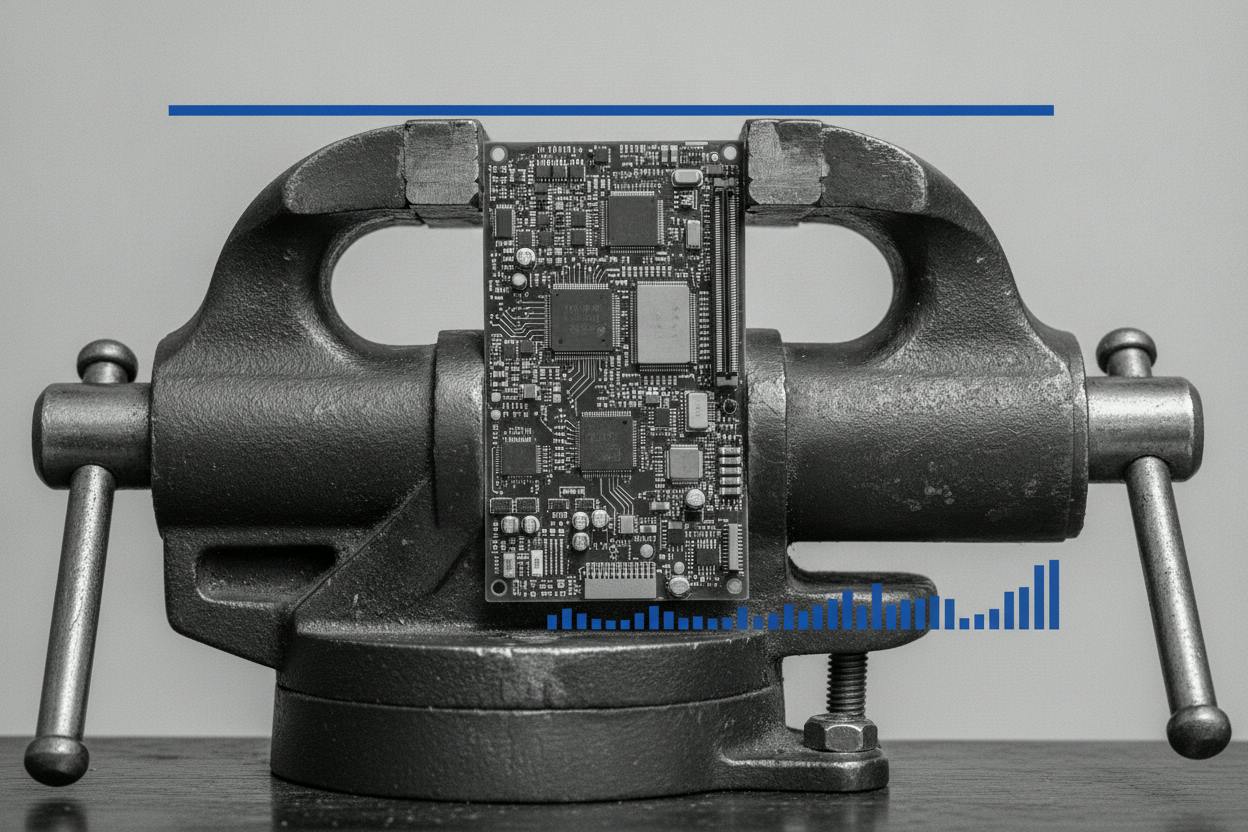
Kinwong is a Shenzhen-based manufacturer of printed circuit boards—the essential components that connect and support the chips and other electronics inside virtually every modern device. PCBs are the backbone of everything from smartphones and laptops to data center servers and networking equipment.
The company says it will use the proceeds from the share sale to expand and upgrade its production capacity, focusing on higher-specification boards. These advanced PCBs are in growing demand as data centers and AI systems pack in more computing power, requiring more complex and higher-performance circuitry.
The move is part of a broader trend: as AI models and applications scale up, they require massive computing infrastructure, which in turn drives demand for the hardware that powers it. This includes not only the chips themselves but also the boards that connect them, along with power and cooling systems.
Why the top-end pricing matters
Pricing an IPO at the top of the range is generally seen as a bullish signal. It suggests that investors were willing to pay the maximum price the company and its underwriters had set, reflecting strong demand for the shares. In contrast, deals priced at the bottom or below range often indicate weaker interest or a need to entice buyers with a discount.
For Kinwong, the strong pricing also reflects the broader market's enthusiasm for AI-related plays. Recent months have seen a wave of capital raising by companies tied to AI infrastructure, from chip designers to cloud providers. AI chip startups are commanding multibillion-dollar valuations, and established hardware makers are also benefiting from the spending boom.
However, investors should note that Kinwong's shares will be listed in Hong Kong, a market that has seen its share of volatility. The H-share structure means the company's shares are denominated in Hong Kong dollars and traded on the Hong Kong Stock Exchange, while its primary listing remains in Shenzhen.
What it means for investors
For everyday investors, the key takeaway is that the AI boom is not just about software companies or chip designers. It's also driving demand for the physical components that make AI possible. Companies like Kinwong, which produce the circuit boards used in data centers and AI servers, are positioned to benefit from this trend.
But investing in IPOs carries risks. The price at which shares are sold to institutional investors doesn't guarantee the stock will rise in the secondary market. Many IPOs trade below their offer price in the months after listing, especially if market conditions change or if the company's growth prospects don't meet expectations.
Kinwong's top-end pricing suggests confidence, but it also means the stock is starting at a higher valuation, leaving less room for a pop on debut. Investors should also consider the competitive landscape: the PCB industry is fragmented, with many players in Asia, and margins can be thin.
For those looking to gain exposure to AI infrastructure, Kinwong's listing adds another option. But as always, it's wise to diversify and not put all your eggs in one basket. The broader market context also matters—rising oil prices and rate hike bets can weigh on equity markets globally, including Hong Kong.
Looking ahead
Kinwong's successful pricing is a positive sign for other companies considering Hong Kong listings, particularly those in the tech hardware space. It also underscores the ongoing demand for AI-related investments, even as some analysts warn of a potential bubble in AI valuations.
The company will need to execute on its expansion plans to justify the valuation. Investors will be watching its ability to ramp up production of higher-spec boards and secure orders from major data center operators and device makers.
In the meantime, the deal adds to a busy period for Hong Kong's IPO market, which has seen a mix of upsized offerings and some that have struggled to attract demand. Other recent IPOs, like ADARx's upsized Nasdaq listing, have also shown that investor appetite for growth stories remains selective but strong.
For now, Kinwong's top-end pricing is a vote of confidence in the AI hardware supply chain. Whether that confidence is justified will depend on the company's ability to turn AI-driven demand into sustained profits.