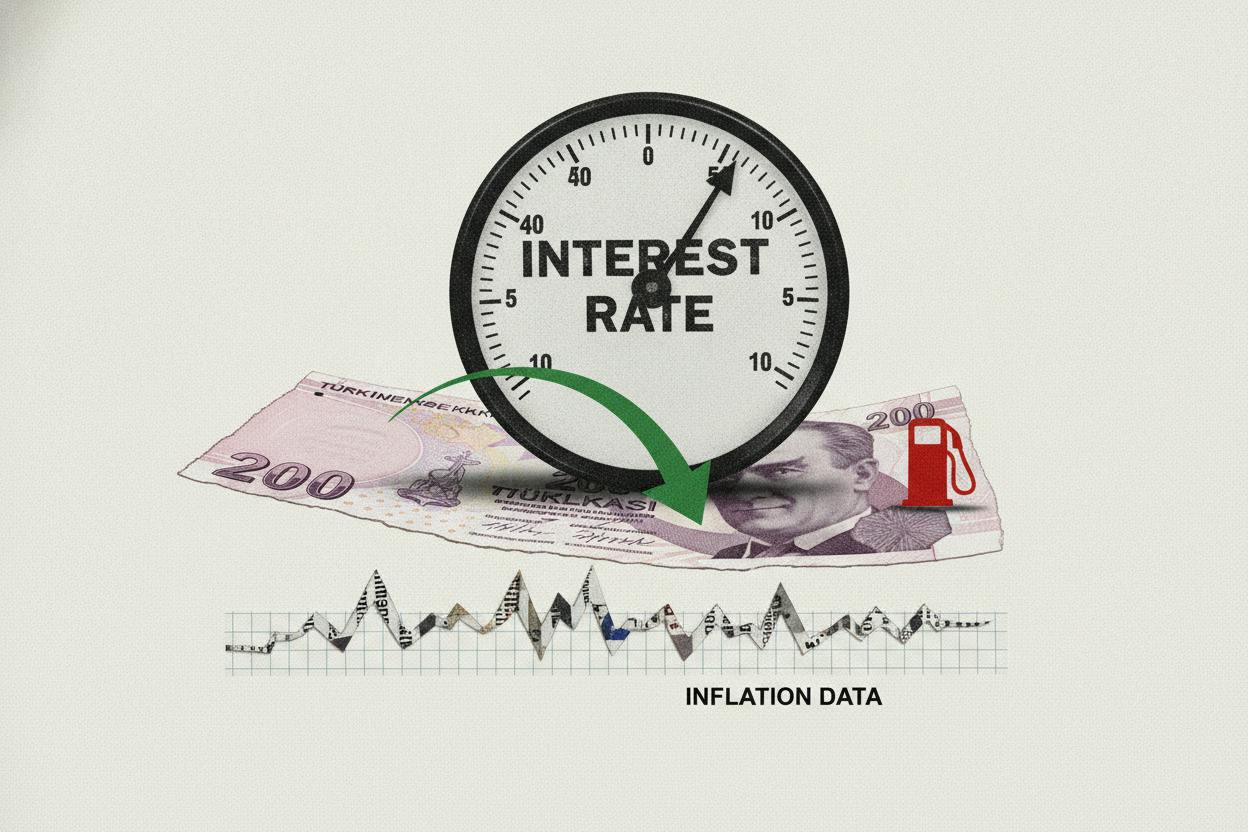
Turkey's central bank may finally start easing its ultra-tight monetary policy as soon as its October 22 meeting, according to a new forecast from JPMorgan. The US bank expects a 100-basis-point cut—one full percentage point—as underlying inflation pressures show signs of cooling, even though fuel prices have kept the headline inflation rate bumpy in the short term.
Turkey has been grappling with some of the highest inflation in the world, and its central bank has responded with aggressive interest rate hikes. The current policy rate stands at 50%, a level that has weighed heavily on businesses and consumers. A cut would mark a significant turning point, signaling that policymakers believe the worst of the inflation crisis is behind them.
What JPMorgan is seeing
In a note released ahead of Turkey's next inflation report, JPMorgan argued that price pressures are easing beneath the surface. The bank expects the pace of monthly inflation to slow in September compared with August, including in "core" inflation—a measure that strips out volatile items like energy and food to give a clearer picture of underlying trends.
That cooling momentum, JPMorgan says, gives the central bank room to begin normalizing policy. The bank is penciling in a 100-basis-point cut at the October 22 meeting, followed by another reduction in December. If those cuts materialize, Turkey's main interest rate would fall to 35% by the end of the year.
It's a notable call, especially given that fuel prices have been rising recently. Higher energy costs typically push inflation up in the short term, but JPMorgan believes the broader disinflation trend is intact. The bank's view suggests that the recent fuel-driven upticks are temporary noise rather than a sign of a renewed inflation spiral.
Why this matters for investors
For everyday investors, Turkey's interest rate decisions have ripple effects far beyond its borders. Turkey is a major emerging market, and its central bank's actions influence investor sentiment toward other developing economies. When Turkey cuts rates, it can signal that global inflationary pressures are easing, which may boost appetite for riskier assets like emerging market stocks and bonds.
For those with direct exposure to Turkish assets—whether through exchange-traded funds, mutual funds, or individual stocks—a rate cut could be a double-edged sword. On one hand, lower rates can stimulate economic growth and support corporate earnings. On the other, they can weaken the Turkish lira, which has already been under pressure. A weaker currency can erode the returns of foreign investors when they convert their gains back to their home currency.
JPMorgan's forecast also comes amid a broader global debate about when central banks will start easing. In developed markets, the European Central Bank is weighing a possible rate hike in October, while the US Federal Reserve has signaled it may cut rates later this year. Turkey's situation is unique, however, because its inflation rate is still far above target, making any easing a delicate balancing act.
The bigger picture
Turkey's central bank has been under intense pressure to bring inflation down from its peak of over 75% last year. The current 50% rate is among the highest in the world, and it has been a key tool in the fight against rising prices. But high rates have also slowed the economy, and there are growing calls for relief.
The OECD recently raised its inflation forecasts for Turkey while cutting its growth outlook, highlighting the difficult trade-off policymakers face. If JPMorgan is right and the central bank starts cutting in October, it would be a bold move that could either be praised as a timely pivot or criticized as premature if inflation flares up again.
Investors will be watching Turkey's next inflation report closely. If the data confirms JPMorgan's view of cooling momentum, the case for a rate cut strengthens. If inflation surprises to the upside, the central bank may hold off, and the lira could come under renewed pressure.
What to watch next
The key date is October 22, when Turkey's central bank holds its next policy meeting. Before that, the inflation report for September will provide the latest snapshot of price pressures. JPMorgan's forecast is just one view, but it aligns with a growing expectation among some analysts that Turkey is nearing the end of its tightening cycle.
For investors, the takeaway is to stay informed but not to overreact. Rate decisions in emerging markets can be volatile, and Turkey's situation is particularly complex. Whether you're a seasoned investor or just starting out, understanding how central bank policies affect your portfolio is crucial. As always, diversification and a long-term perspective remain your best defenses against uncertainty.
In the meantime, keep an eye on global oil prices, which have been dropping for six days amid US-Iran talks. Lower oil prices could help ease Turkey's inflation pressures further, making a rate cut more likely. Conversely, any spike in energy costs could complicate the central bank's path.
JPMorgan's forecast is a strong signal, but it's not a guarantee. The central bank will make its decision based on the latest data, and investors should be prepared for either outcome.