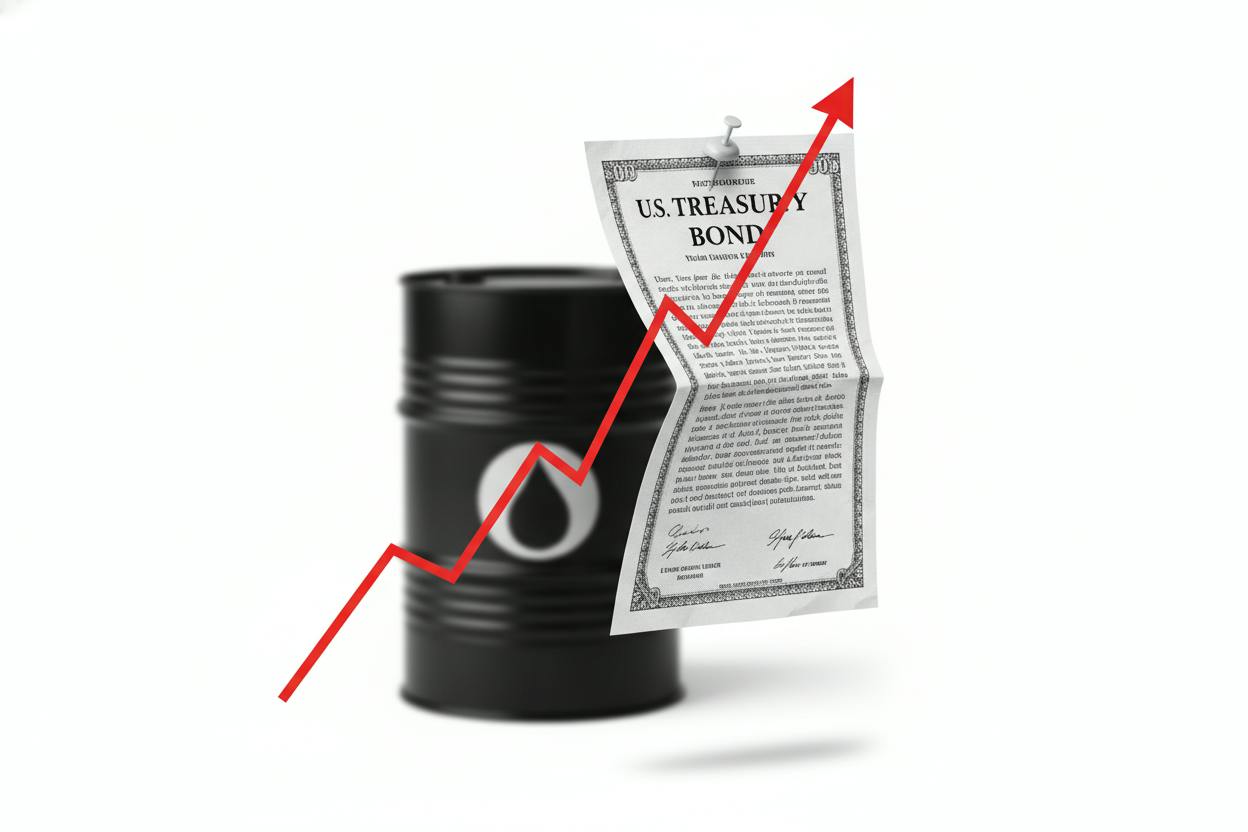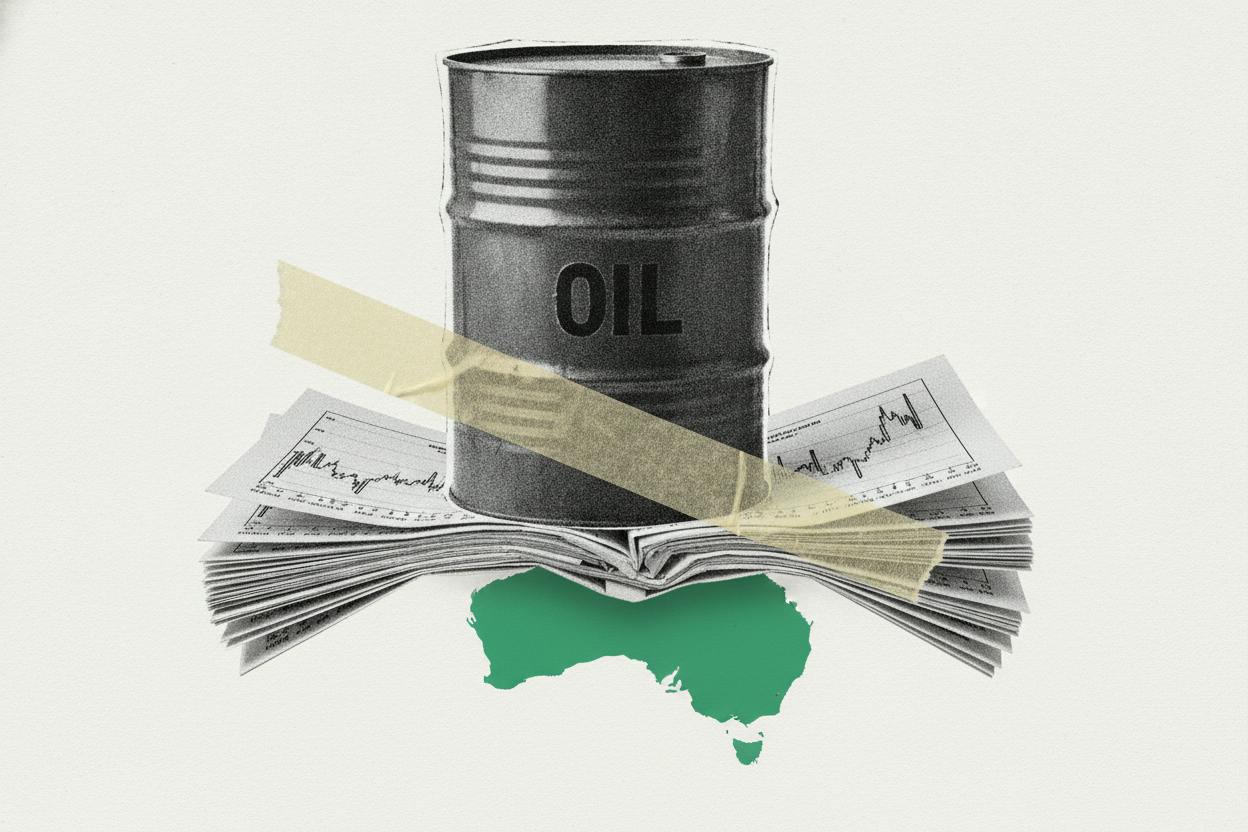
Australian shares closed lower on Friday, with the S&P/ASX 200 dropping 0.5% to 8,661.20, as a renewed surge in oil prices above $100 a barrel reignited concerns about inflation and the path of interest rates. The decline extended a run of weekly losses for the benchmark index, reflecting growing unease among investors about the economic outlook.
Oil's ripple effect
The immediate catalyst was crude oil, which climbed back above the psychologically important $100 mark. Higher energy prices have a direct impact on everyday costs—fuel, transport, and electricity all become more expensive. That feeds into the broader inflation picture, making it harder for central banks to bring price pressures under control.
For Australia, a net importer of oil, the effect is particularly pronounced. When oil rises, it can push up the cost of goods and services across the economy, from groceries to airfares. This is why investors watch oil closely: it is a leading indicator of where inflation might head next.
The latest move in oil comes amid ongoing geopolitical tensions and supply concerns, though the brief does not specify the exact cause. What is clear is that the market is reacting to the potential for sustained higher energy costs.
Rate hike expectations firm
The bigger worry for Australian investors is what this means for the Reserve Bank of Australia (RBA). Markets are now pricing in a cash rate increase to 4.60%, a level not seen in nearly 15 years. That would mark another step in the RBA's battle against inflation, which has proven stickier than many hoped.
Higher interest rates typically weigh on stock valuations, especially for growth-oriented companies, because future earnings are discounted at a higher rate. They also increase borrowing costs for businesses and households, which can slow consumer spending and corporate profits.
The rate hike expectations come even after a mixed labor report, which showed unemployment rising slightly. Normally, a softer jobs market might reduce the case for aggressive tightening, but the inflation threat from higher oil appears to be overriding that concern.
Investors are also keeping an eye on other potential price pressures, including heavy investment in data centers, which could add to demand for electricity and other resources. This is part of a broader trend where structural factors, beyond just oil, are keeping inflation elevated.
What it means for investors
For everyday investors, the key takeaway is that the tug-of-war between inflation and interest rates is far from over. When oil prices spike, it is a reminder that inflation can come from unexpected places, and that central banks may need to keep rates higher for longer.
This environment tends to favor sectors that can pass on higher costs to customers, such as energy producers and some consumer staples, while putting pressure on rate-sensitive areas like real estate and high-growth tech. However, it is important to remember that markets are forward-looking, and today's moves already reflect much of the bad news.
Investors should also consider the broader global context. Oil's rise is not just an Australian story—it affects economies worldwide. As we've seen in recent weeks, oil price spikes can rattle markets everywhere, and the ripple effects are often felt across asset classes.
For those with a diversified portfolio, the current volatility is a reminder of the importance of staying the course. Trying to time the market based on daily oil moves or rate expectations is rarely a winning strategy. Instead, focus on your long-term goals and ensure your asset allocation matches your risk tolerance.
Looking ahead
The coming weeks will be crucial. Investors will be watching for any signs that inflation is cooling, which could ease pressure on the RBA to hike again. They will also monitor oil prices closely—if crude stays above $100, the inflation narrative will likely persist.
Additionally, the RBA's next policy meeting will be in focus. While markets are pricing in a hike to 4.60%, the central bank could surprise by holding rates steady if economic data weakens. As always, the data will guide the decision.
For now, the message from the market is clear: higher oil means higher inflation risk, and that means higher rates for longer. Investors should brace for continued volatility, but also remember that markets have weathered such storms before.