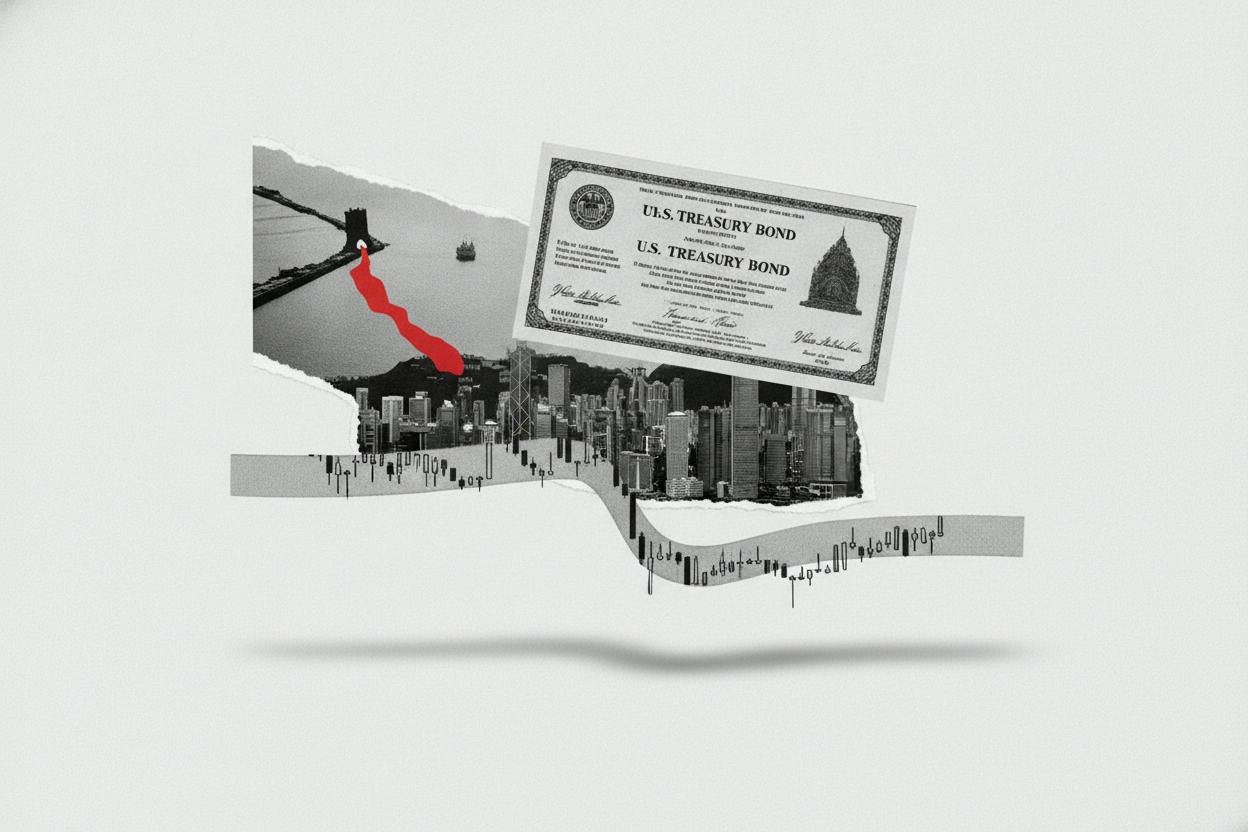
Hong Kong stocks fell on Tuesday, with the Hang Seng Index dropping 1% to 24,523.50, as investors weighed a mix of geopolitical tensions and rising global borrowing costs. The Hang Seng China Enterprises Index, which tracks major Chinese companies listed in the city, slipped 1.1% to 8,172.50, echoing a cautious mood that carried over from choppy trading in the US.
The declines came as markets focused on two big storylines: the ongoing US-Iran negotiations and the final day of US-China meetings during Chinese President Xi Jinping's visit to Washington. Both have the potential to move global markets, and investors were reluctant to take on risk while the outcomes remained unclear.
Oil and Treasury Yields Climb
A key driver of the market's unease was the rise in oil prices. Talks between the US and Iran, including discussion of easing sanctions on Tehran and reopening the Strait of Hormuz—a vital shipping lane for global oil—kept energy markets on edge. Even the possibility of a deal can cause price swings, as traders try to guess whether supply will increase or remain constrained.
At the same time, US Treasury yields moved higher. Yields rise when bond prices fall, and they are closely watched because they influence borrowing costs around the world. Higher yields can make stocks less attractive relative to bonds, and they can also tighten financial conditions for companies and consumers. This dynamic has been a recurring theme in markets recently, as investors worry about persistent inflation and the path of interest rates.
The combination of higher oil and higher yields often pressures stock valuations, and Hong Kong's market was no exception. The city's equities are particularly sensitive to global liquidity and risk sentiment, given its role as an international financial hub and the heavy presence of Chinese companies.
What It Means for Investors
For everyday investors, the takeaway is that markets are being pulled in different directions by forces that are hard to predict. Geopolitical events like the US-Iran talks can shift oil prices quickly, which in turn affects everything from fuel costs to inflation expectations. Rising Treasury yields, meanwhile, can ripple through global markets, affecting not just stocks but also bonds, currencies, and even emerging-market assets.
Hong Kong stocks have been especially sensitive to these crosscurrents. The market often moves in tandem with global risk appetite, and when investors are nervous, they tend to pull money out of riskier assets. The Hang Seng's 1% drop is a reminder that even a relatively calm day can hide significant underlying volatility.
Investors should also keep an eye on the US-China talks. While the brief mentions only that the meetings were ongoing, any signs of progress or friction could have broad implications for trade, technology, and investment flows between the world's two largest economies. For now, the market seems to be taking a wait-and-see approach.
Broader Market Context
The moves in Hong Kong come against a backdrop of elevated global bond yields and oil prices. In recent weeks, the 10-year Treasury yield has been hovering near multi-year highs, and oil has traded at levels that add to inflationary pressures. These trends have been a key concern for investors, as they can squeeze corporate profits and prompt central banks to keep interest rates higher for longer.
For a deeper look at how these forces are playing out, see our coverage of Treasury yields topping 5% and oil near $105, which highlights the pressure on stocks. Similarly, oil spikes and Iran deal talk shows how quickly sentiment can shift. And for a global perspective, global bond yields near 4% underscores the inflation fears that are driving markets.
In this environment, diversification and a long-term perspective remain important. While day-to-day moves can be unsettling, they are often part of a larger cycle. Investors who understand the forces at play—geopolitics, inflation, interest rates—are better positioned to make informed decisions rather than reacting to headlines.
As the US-Iran talks and US-China meetings conclude, markets will likely continue to react to any news. For now, the message from Hong Kong is clear: caution is the prevailing mood.