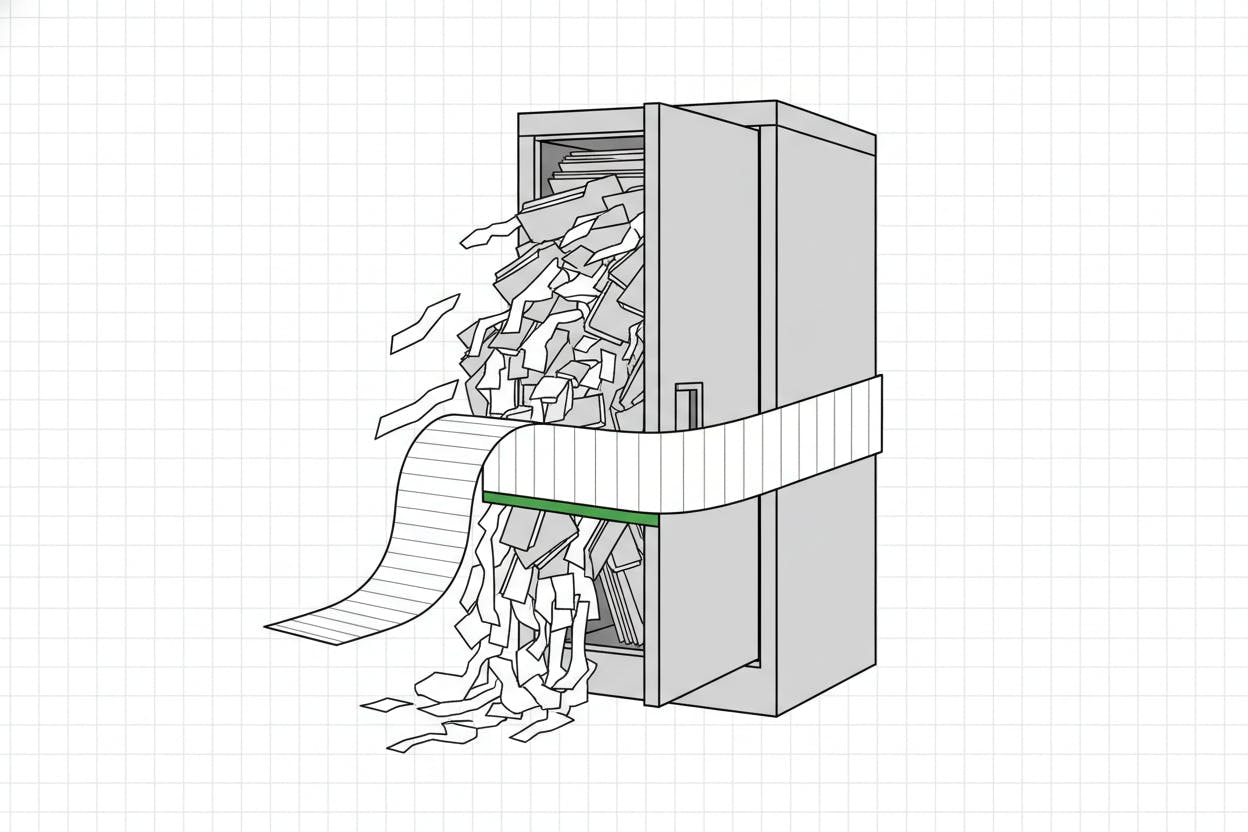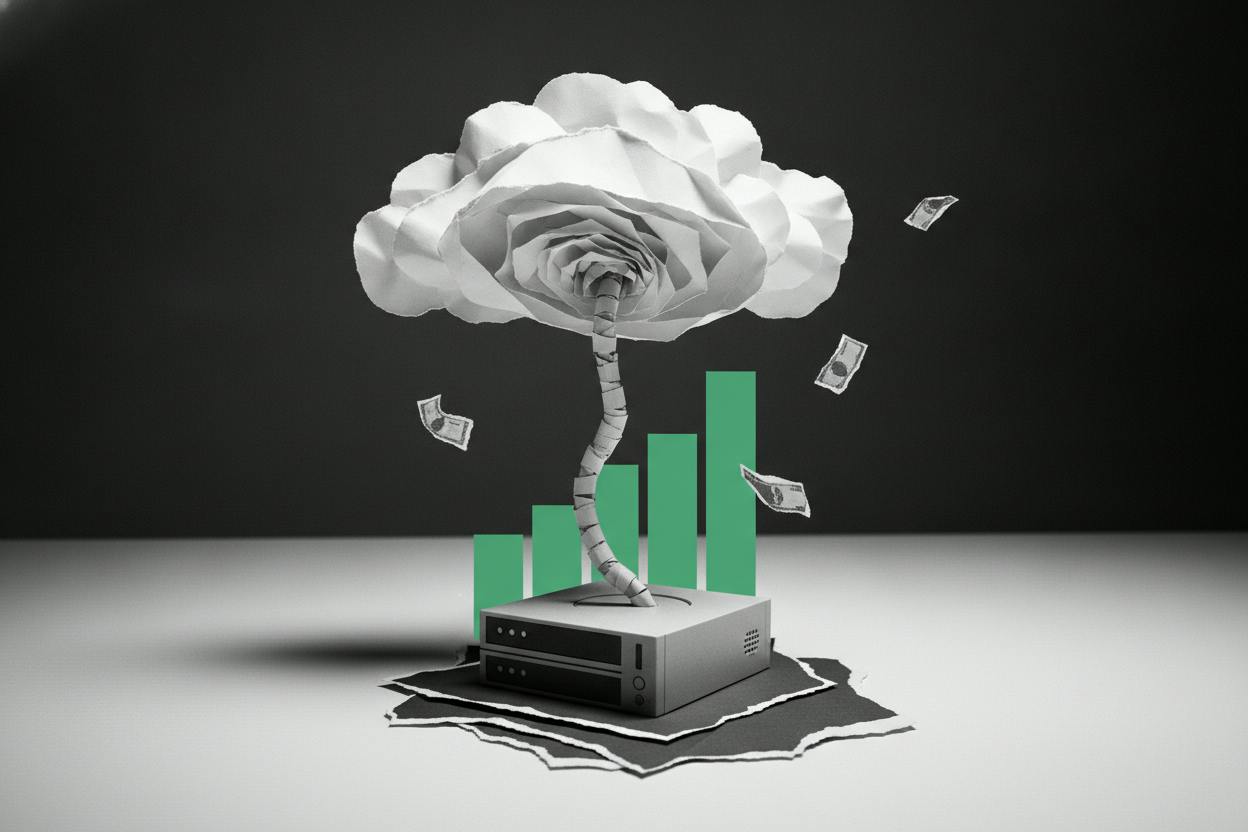
Apple's refreshed Mac Mini and Mac Studio desktops begin shipping Tuesday, and the company is making an unusual sales pitch to businesses: run your artificial intelligence workloads on a machine sitting on your desk rather than renting computing power from a cloud provider. According to Reuters, Apple is promoting the machines as capable of handling demanding AI tasks with "no cost per token" — a direct swipe at the way most companies currently pay for AI.
The argument is simple arithmetic. Cloud AI services from the likes of OpenAI and Anthropic typically charge by the token, the small chunks of text that models read and generate. Every time an employee asks a chatbot to write code, summarise a document or answer a question, the meter runs. Apple's pitch is that buying a Mac Mini or Mac Studio is a one-time cost, after which each additional AI run mainly consumes electricity and the gradual wear on the hardware — not a bill that grows with usage.
Why the per-token model is under scrutiny
Token pricing has become one of the most closely watched cost lines in corporate technology budgets. It is easy to start small and easy to scale up quickly: a pilot project used by a handful of developers can quietly become a company-wide tool generating millions of tokens a day. For heavy, repeatable work — generating code, running automated checks, processing large volumes of text — those charges compound.
That has created an opening for hardware makers. If a business can run a capable AI model on a machine it owns, the marginal cost of each extra task falls sharply. Apple says some Mac Mini and Mac Studio configurations can replace token-priced services for exactly this kind of repetitive, compute-heavy work. The company is not claiming the hardware is free — it is arguing the economics change once the box is bought.
This is part of a broader push by Apple into AI infrastructure. The company has been building out its own AI server plans and leaning on partners for the underlying technology, moves that have rippled through the chip sector. For investors, the desktop pitch is a reminder that the AI trade is not only about data centres and graphics processors — it also touches the devices at the edge of the network.
What it means for investors
For ordinary investors, the story matters less as a verdict on Apple's stock and more as a signal about where AI spending may flow next. If businesses take the local-computing argument seriously, it could shift some demand away from cloud AI subscriptions and toward hardware purchases. That would benefit companies selling PCs and chips, while pressuring the growth assumptions baked into some cloud AI valuations.
It is worth being sceptical about how quickly that shift happens. Cloud providers offer scale, easy updates and access to the largest models, which a desktop cannot match. Local machines also have limits on memory and processing power, so the biggest AI jobs will likely stay in data centres. Apple's pitch is aimed at a specific slice of the market — heavy, repeatable tasks — rather than a wholesale replacement of the cloud.
Still, the framing is notable. Companies in this position often compete on total cost of ownership, and Apple is trying to make the case that owning hardware beats renting compute for certain workloads. Investors watching the AI trade should pay attention to whether businesses actually adopt this model, because it would change the revenue mix for both hardware makers and cloud providers.
There is also a competitive dimension. Cloud AI firms have built their businesses on usage-based pricing, and any credible alternative puts pressure on those rates. If enough customers run routine workloads locally, cloud providers may need to adjust pricing or focus on the tasks that genuinely require their scale. That is a slow-moving dynamic, not an overnight shift, but it is the kind of thing that shows up in margins over time.
The bigger picture
Apple's move fits a wider theme: as AI becomes embedded in everyday work, the question of who pays for the computing — and how — is becoming a strategic decision rather than a technical one. The company's existing push into AI servers and its ties to chip suppliers show it wants a role across the stack, from the data centre to the desktop.
For investors, the takeaway is to watch the cost debate, not just the capability race. The AI story has been dominated by how powerful models are; the next phase may be about how cheaply they can be run. Apple is betting that for a meaningful set of business tasks, the answer is: on a Mac you already own.