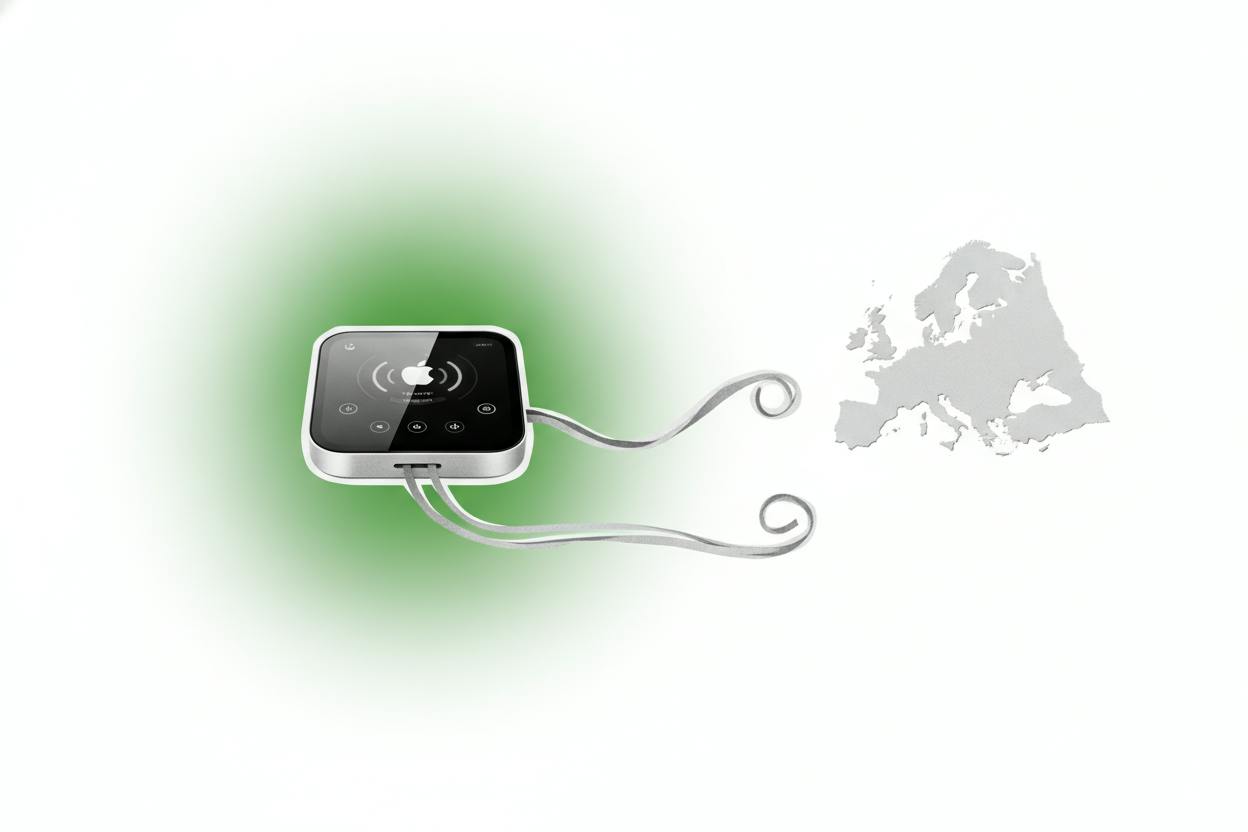
Apple has finally made its move to become the central command for the smart home. The company this week introduced HomeView, a $299 hub designed to let its newly AI-enhanced Siri control everything from lights and locks to thermostats and doorbells. The device starts shipping next month, marking Apple's most serious attempt in years to turn the fragmented smart-home experience into a single, cohesive system.
HomeView is not just another gadget. It's a strategic pivot. For years, smart-home enthusiasts have had to juggle multiple apps and voice assistants—one for lights, another for cameras, yet another for the thermostat. Apple's pitch is simple: let Siri be the one voice you talk to, and let HomeView be the brain that ties it all together. The hub works with a refreshed lineup of HomePod speakers and Apple TV boxes, and Apple has partnered with companies like LG and Schneider Electric to offer a wider range of accessories, including doorbells, cameras, and thermostats, some of which were designed alongside Apple.
Why the timing matters
Apple is entering a market where Amazon and Alphabet (Google) already have a strong foothold. Amazon's Echo speakers and Ring doorbells have become household names, and Google's Nest products are similarly entrenched. Both companies have been pushing their own AI assistants—Alexa and Google Assistant—for years. Apple, by contrast, has been slower to embrace the smart home, and its previous efforts, like the HomeKit platform, were often criticized for being clunky and limited.
The new HomeView hub is Apple's answer to that criticism. By pairing a dedicated hardware hub with a more capable Siri, Apple hopes to offer a more seamless and private alternative. The company has long positioned privacy as a key selling point, and HomeView is likely to follow that playbook, with on-device processing for many commands.
The timing also aligns with a broader industry push toward AI-powered devices. As small AI models begin to spread onto smart devices, the race to own the smart home is heating up. Apple's move is a direct response to that trend, and it could reshape how consumers interact with their homes.
The EU gap: Siri AI not ready
One notable omission: HomeView will not launch in the European Union. The reason, according to the company, is that Siri's new AI capabilities are not yet available in the region. This is likely due to regulatory hurdles and the need to comply with the EU's strict digital rules, including the Digital Markets Act, which imposes obligations on large tech platforms.
For EU consumers, this means they'll have to wait longer to get their hands on the hub. It also raises questions about when Apple will bring its full AI suite to Europe. The company has been cautious about rolling out AI features in the EU, and this delay is a clear sign that regulatory compliance is a top priority.
What it means for investors
For everyday investors, HomeView is more than just a new product—it's a signal of where Apple sees growth. The smart-home market is still young, and Apple is betting that a unified, AI-driven experience will convince households to invest in its ecosystem. That could drive sales of not just the hub itself, but also of HomePod speakers, Apple TV boxes, and a growing range of accessories from partner companies.
However, the $299 price point is higher than many competing hubs. Amazon's Echo devices start at under $50, and Google's Nest Hub is similarly affordable. Apple is clearly targeting a premium segment, betting that consumers will pay more for a more integrated and private experience. That strategy has worked for Apple in other categories, like smartphones and smartwatches, but it's not guaranteed to succeed in the smart home, where price sensitivity is higher.
Investors should also watch how the EU situation evolves. If Apple can't bring Siri AI to Europe, it risks ceding that market to Amazon and Google. On the other hand, if it eventually does, it could unlock a significant new revenue stream. The company's ability to navigate regulatory hurdles will be a key factor in the success of HomeView.
For now, HomeView is a bold bet that Apple can turn the smart home into a Siri-led experience. Whether consumers will embrace it remains to be seen, but the move underscores Apple's commitment to AI and its ambition to be the center of the connected home. As Apple's AI-powered home hub enters the market, the competition with Amazon and Google is set to intensify.
In the coming months, watch for reviews, early sales numbers, and any announcements about EU availability. These will be the first indicators of whether HomeView is a hit or a miss. For investors, the smart home is a long-term story, and Apple is just getting started.