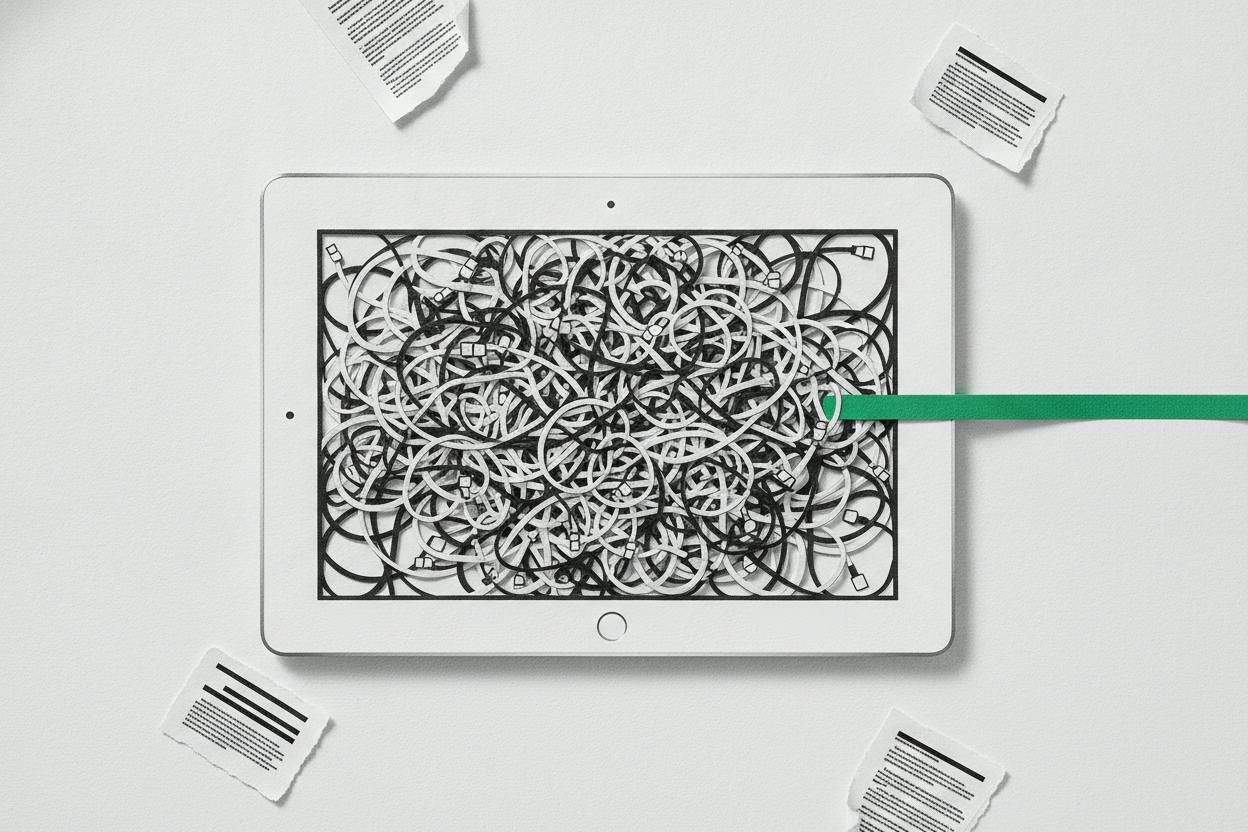
Apple is reportedly preparing another push into the smart home market, this time with an iPad-like home hub that leans heavily on an AI-enhanced version of Siri. According to Reuters, the device is designed to serve as a central control point for connected home gadgets like doorbells, thermostats, and smart locks, potentially alongside refreshed versions of the HomePod speaker and Apple TV.
This isn't Apple's first attempt to crack the smart home. The company launched its Home app in 2016 and introduced the HomePod speaker in 2018, but it has consistently trailed Amazon's Echo devices and Alphabet's Google Home lineup. The new effort appears to be a more deliberate strategy, with the hub as the centerpiece of a broader ecosystem play.
What's different this time?
The key differentiator, according to analysts cited by Reuters, is the integration of a smarter, AI-powered Siri. The idea is that a more capable voice assistant can overcome one of the biggest hurdles to smart home adoption: the often frustrating setup process and reliability issues that have plagued early devices.
Instead of juggling multiple apps and struggling with finicky voice commands, users could theoretically control their entire home through a single, intuitive interface. The hub would act as a dashboard for all connected devices, making it easier to manage everything from lighting to security systems.
This approach mirrors a broader industry trend. As AI models become more capable and compact, they are increasingly being embedded into everyday devices, from smartphones to smart speakers. Apple's bet is that a more conversational and proactive Siri can finally make the smart home feel genuinely useful, rather than a novelty.
The competitive landscape
Amazon and Google have long dominated the smart home category, with a wide range of Echo and Nest products that have become household names. Apple's HomePod, by contrast, has remained a niche product, often praised for sound quality but criticized for its limited ecosystem and higher price point.
Apple's strategy has historically been to focus on premium hardware and tight integration across its devices. The new home hub could follow that playbook, offering a seamless experience for users already invested in the Apple ecosystem. However, it will need to address the same challenges that have held back previous efforts: compatibility with third-party devices, ease of setup, and convincing consumers that a dedicated hub is worth the cost.
The timing is also notable. The broader smart home market has seen slower growth than early optimists predicted, partly due to the complexity of setup and the lack of a killer app. Apple's AI-driven approach could be a catalyst, but it's far from a guaranteed success.
What it means for investors
For investors, the smart home push is less about the hardware itself and more about what it signals for Apple's broader strategy. The company has been increasingly focused on services revenue, which includes things like Apple Music, iCloud, and the App Store. A successful home hub could deepen customer loyalty and drive more services usage, particularly if it integrates with Apple's growing AI capabilities.
However, the smart home market is competitive and margins on hardware are often thin. Apple's premium pricing strategy may help, but it also limits the addressable market. The company will need to convince consumers that its hub offers something genuinely better than cheaper alternatives from Amazon and Google.
There's also the question of execution. Apple has a mixed track record with new product categories. While the iPhone and AirPods were massive hits, the HomePod and Apple TV have been less impactful. The company's recent trimming of iPhone 18 orders suggests that even its core product line is facing demand pressures, which could make a successful new category more important.
Investors should also consider the broader tech landscape. The smart home is just one front in a larger battle over AI, with companies like AI giants driving earnings growth across the S&P 500. Apple's ability to integrate AI into its devices, including this new hub, will be a key factor in maintaining its competitive edge.
The road ahead
Reuters notes that the home hub is still in development, and no launch date has been announced. Analysts expect that Apple will continue to refine its AI capabilities, possibly through partnerships or acquisitions, to make Siri more competitive with rivals like Amazon's Alexa and Google Assistant.
For now, the smart home remains a promising but unproven opportunity. Apple's latest attempt shows that it sees potential in the category, but whether it can finally break through remains to be seen. Investors will be watching closely for any official announcements, as well as for signs of how the company plans to differentiate its offering in a crowded market.
In the meantime, the broader trend of declining smartphone shipments and the rise of AI-powered devices suggests that the next big growth area for tech companies may be beyond the phone. Apple's home hub could be a step in that direction, but it's still early days.



