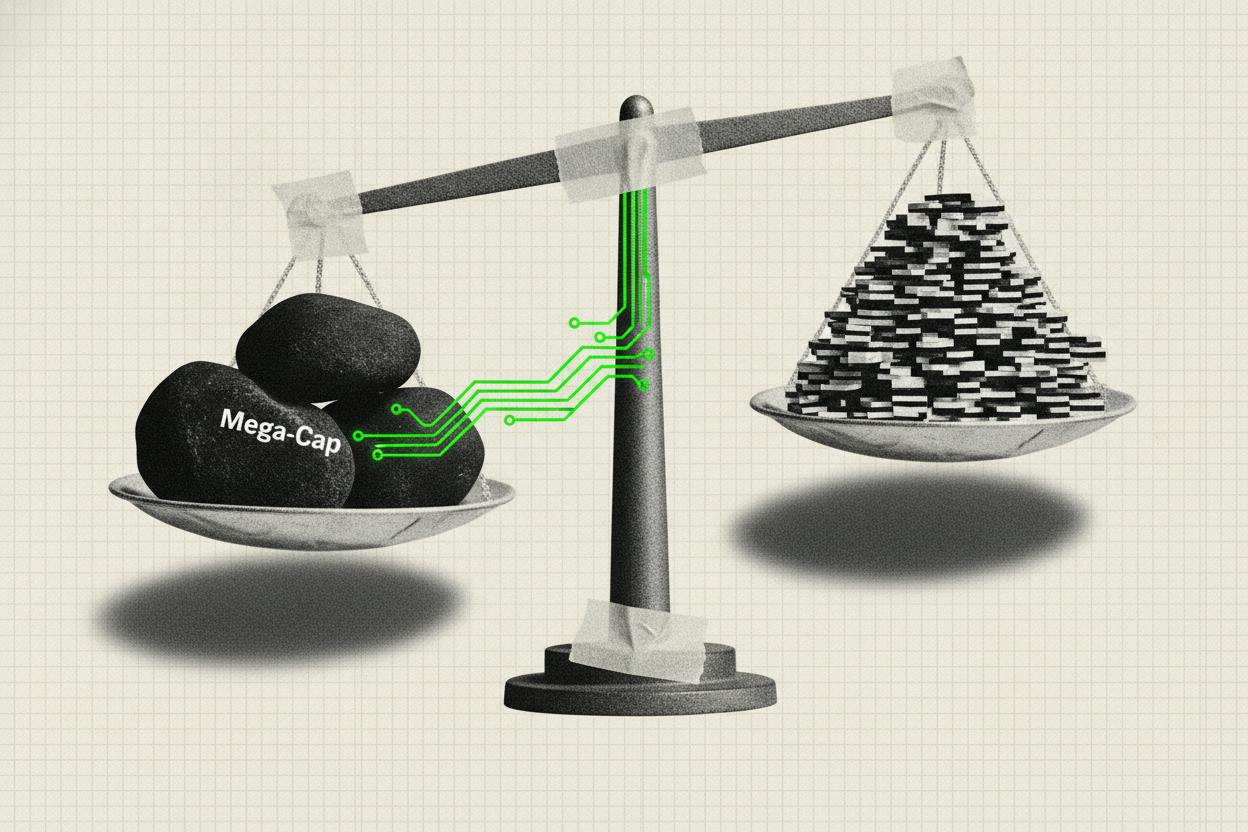
As the third-quarter earnings season gets underway, analysts are bracing for another blockbuster quarter for corporate America — at least on paper. Forecasts call for S&P 500 profits to rise about 31% from the same period last year, according to data from LSEG. But beneath that headline number lies a familiar story: the gains are overwhelmingly coming from a handful of technology and semiconductor giants riding the artificial intelligence wave.
The concentration is striking. Tajinder Dhillon, who leads earnings and equity research at LSEG, notes that roughly two-thirds of the expected profit increase is likely to come from the technology sector alone, with AI-heavyweights like Alphabet, Amazon.com, and Meta Platforms doing much of the heavy lifting. Because the S&P 500 is weighted by company size, these firms have an outsized influence on the index's overall results — and on how investors value the market as a whole.
Why AI is still the engine
Artificial intelligence has been the dominant theme in markets for over a year now. Companies that build the chips, data centers, and cloud platforms that power AI tools have seen demand surge, and that is showing up in their bottom lines. Semiconductor firms, in particular, have been among the biggest beneficiaries, as businesses across industries race to adopt AI capabilities.
This isn't the first quarter where AI has propped up earnings. In recent quarters, the same pattern has repeated: tech and chipmakers deliver strong results, while the rest of the market grows at a more modest pace. The current forecast suggests that trend is continuing, even as some investors question whether AI-related spending can keep growing at such a rapid clip.
The reliance on a few names is a double-edged sword. On one hand, it means the S&P 500 can post impressive gains as long as those companies keep beating expectations. On the other, it leaves the index vulnerable if any of those leaders stumble — a risk that becomes more pronounced as valuations in the tech sector remain elevated.
What it means for investors
For everyday investors, the takeaway is about diversification and expectations. An index fund tracking the S&P 500 will benefit from the AI-driven gains, but it also means your returns are increasingly tied to the fortunes of a small group of mega-cap tech companies. If you're comfortable with that concentration, it's worth understanding that a slowdown in AI spending or a disappointing earnings report from one of these giants could hit the whole index hard.
The earnings season also offers a chance to see whether the AI boom is translating into real profits or just hype. Analysts will be watching guidance from tech leaders for signs that demand is holding up, and whether the rest of the market can start pulling its weight. Historically, broad-based earnings growth is healthier for the market than growth driven by a few sectors.
For context, other regions are seeing similar dynamics. In Europe, for example, third-quarter earnings forecasts have climbed to 21% growth, but energy companies are skewing the picture there. And in Asia, China's CSI 300 is bracing for a busy earnings week from miners and a lithium giant, while Japan's earnings season kicks off with retailers and tech firms reporting.
The bottom line: the S&P 500's earnings jump is real, but it's not evenly shared. As the season unfolds, the key question will be whether the AI leaders can keep delivering — and whether the rest of the market can start contributing more to the bottom line.