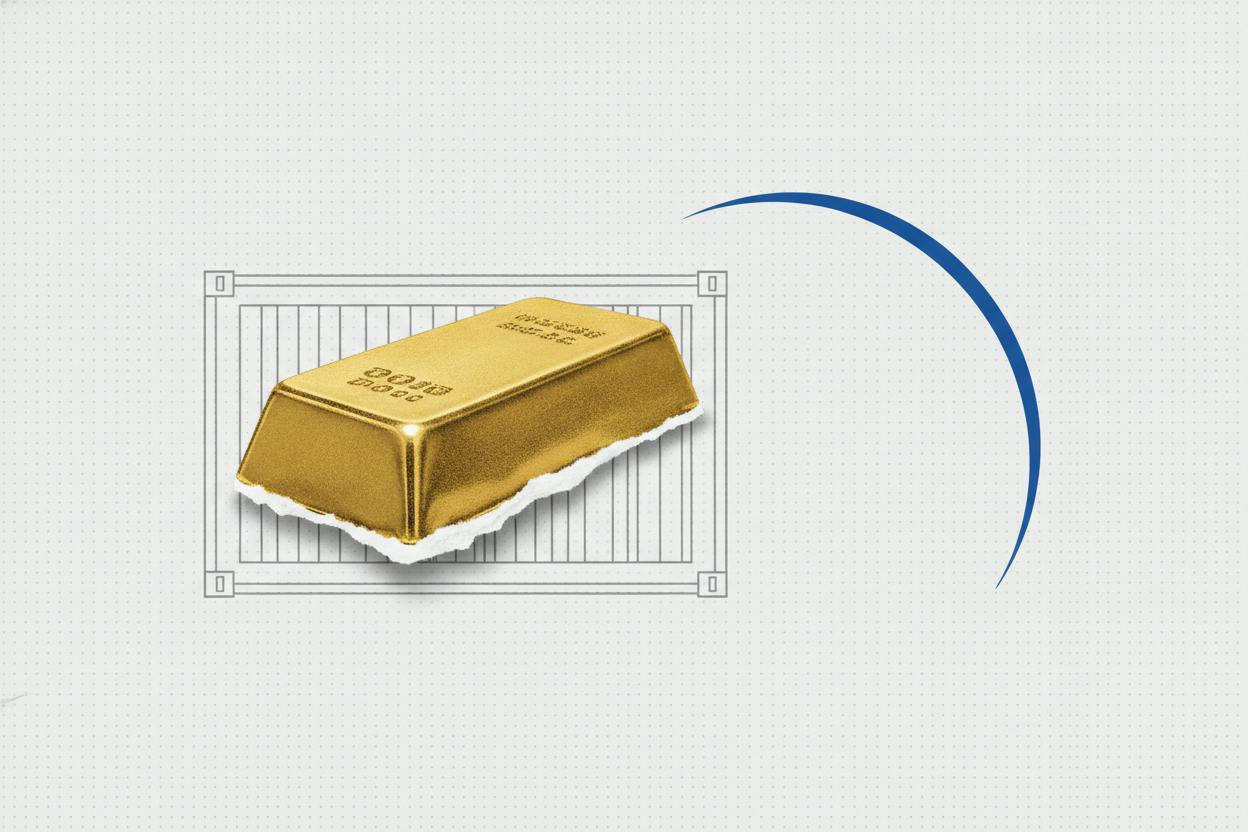
Aura Minerals, a gold and copper producer with operations in the Americas, said preliminary third-quarter production reached a record 95,557 gold equivalent ounces (GEO), a 29% jump from the same period last year. The company credited higher output across its six operating mines, with gains driven by both new projects and improved performance at existing sites.
Volume, not just price, drove the gains
What stands out in this quarter is that the growth wasn't simply a reflection of higher gold prices. Aura said production rose 25% year over year at constant metal prices, and climbed 26% from the second quarter. That points to real operational improvements—more ore processed, better recovery rates, or new mines ramping up—rather than a windfall from market conditions.
For everyday investors, this distinction matters. A company that grows because of higher commodity prices can see those gains reverse quickly if prices fall. But growth driven by higher volumes is often more sustainable, because it reflects the company's ability to dig more metal out of the ground efficiently.
The company also tried to show that the gains weren't only coming from its Mineracao Serra Grande mine in Brazil. On a comparable basis, Aura said sales were up 7% from a year earlier, helped mainly by its Borborema and Aranzazu operations. That suggests the improvement is spread across the portfolio, not concentrated in one star asset.
Production vs. sales: a timing gap
While production hit a record, sales didn't quite match. Aura reported third-quarter sales of 93,742 gold equivalent ounces, up 20% from the second quarter but still about 1,815 GEO below what it produced. That gap is common in mining and usually comes down to timing.
When a mine processes ore, it can count that metal as "production" even before it's shipped, refined, and paid for. At the end of a quarter, some of that metal may still be sitting in inventory or in transit. So a record production quarter can translate into a smaller-than-expected jump in reported revenue and operating cash flow, because some of the value hasn't turned into cash yet.
The flip side is that those missing ounces don't disappear. If they're shipped and settled in the following quarter, part of the production headline can show up later in the financials. Investors who focus only on the production number might be surprised by a softer revenue print, but the underlying value is still there.
A broader trend of improvement
Zooming out, the company's first nine months of production rose 26% at constant prices, suggesting the quarter fits a broader run of operational improvements rather than a one-off spike. That kind of sustained growth is what analysts and investors like to see, because it indicates the company is executing on its plans.
Aura's results come at a time when gold prices have been strong, which has boosted the entire sector. Other miners have also reported solid output, such as West African Resources, which beat forecasts and saw a broker lift its price target. Similarly, Ivanhoe's Kamoa-Kakula mine boosted copper output while keeping annual guidance, showing that the broader mining industry is seeing operational gains.
What it means for investors
For those holding Aura shares, the record production is a positive sign, but it's worth watching how the timing gap between production and sales plays out in the company's official financial results. If the unsold ounces are shipped in the fourth quarter, that could provide a boost to revenue and cash flow then.
For investors considering the stock, the key question is whether the operational improvements are sustainable. The company's ability to grow production at constant prices across multiple mines suggests it's not just riding a commodity cycle. But mining is capital-intensive and subject to risks like equipment failures, weather, and permitting delays, so past performance doesn't guarantee future results.
It's also worth noting that Aura's production growth comes as some other miners are struggling. For example, RBC cut Equinor's Q3 forecasts after a production shortfall, and Chevron saw weaker production offset by refining gains. That contrast highlights that not all extractive companies are seeing the same momentum.
Ultimately, Aura's record quarter is a reminder that in the mining sector, volume growth can be just as important as price movements. Investors should keep an eye on the company's official earnings release to see how the production translates into actual revenue and cash flow, and whether the timing gap narrows.