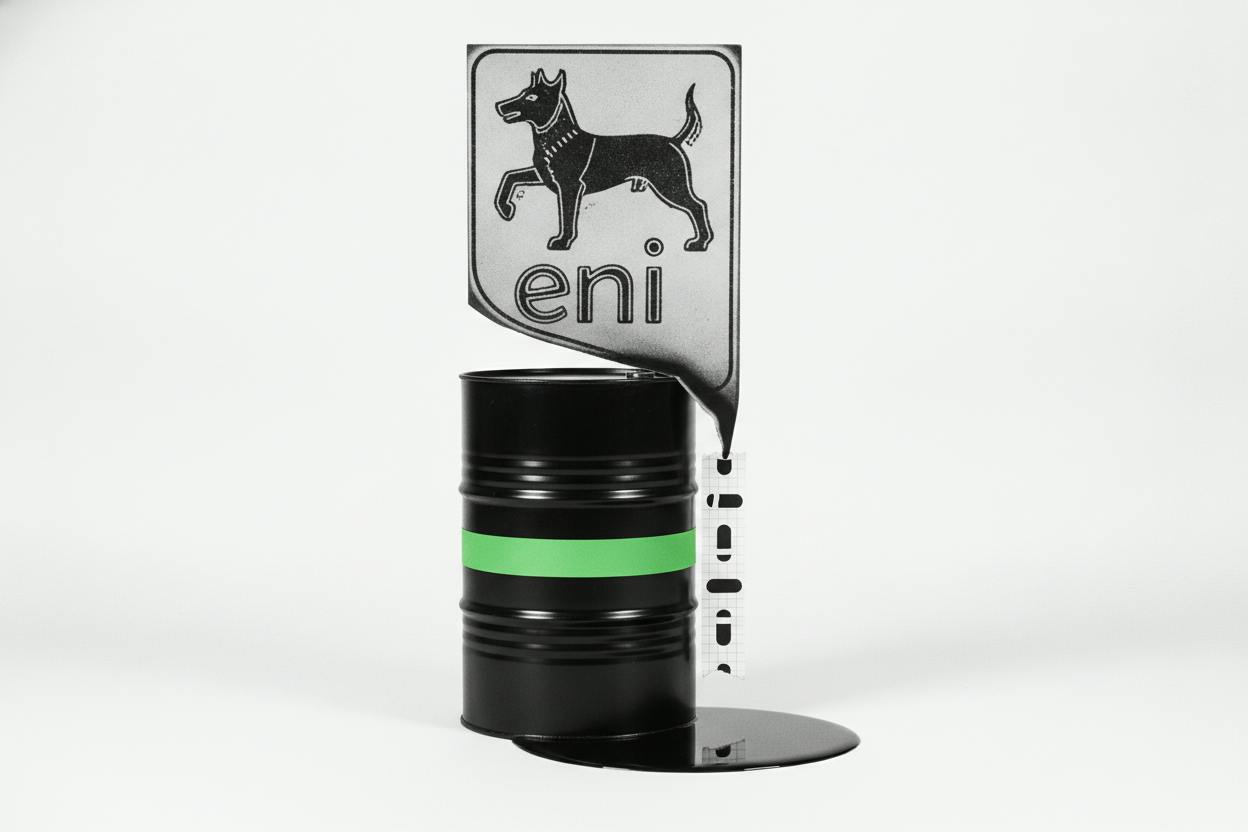
Italian energy major Eni is set to report third-quarter earnings on October 23, and the mood among analysts is cautiously tempered. RBC Capital Markets, in a research note, trimmed its profit forecasts for the quarter, pointing to weaker refining margins in the final stretch of the period. But the bank still expects Eni to pair its results with a €1 billion special dividend, and it's the longer-term picture that may matter most for investors.
What's behind the forecast cut?
RBC lowered its estimate for Eni's third-quarter net income to €2.6 billion from €2.8 billion, and cut its operating income forecast to €3.9 billion from €4.6 billion. The main culprit: the "downstream" side of the business—refining and fuels—cooled off late in the quarter. That's a familiar theme across the sector, as refining margins have been volatile amid shifting supply and demand dynamics.
This isn't unique to Eni. Other European oil majors are facing similar headwinds. For instance, OMV has warned that windfall taxes will hit its Q3 profit, and TotalEnergies could see a boost from a tight gas market, but refining remains a soft spot across the industry.
The special dividend: a short-term sweetener
Despite the softer earnings outlook, RBC still expects Eni to declare a €1 billion special dividend alongside its results. That's a meaningful payout—roughly equivalent to a few percent of the company's market value—and it could provide some support to the stock in the near term.
Special dividends are one-off payments, often made when a company has excess cash or wants to return capital to shareholders without committing to a higher regular dividend. They can be a nice surprise, but markets tend to treat them as non-repeatable unless they're clearly tied to sustainable cash generation. That's why the longer-term outlook matters more.
Why the long game matters
RBC also nudged down its 2027-2028 earnings per share forecasts for Eni. That's a signal that the bank sees the company's future earnings power as slightly weaker than previously thought. But the bigger point is what it says about valuation: investors are willing to pay a certain price for a company based on its ability to generate cash over many years, not just one quarter.
Eni's "upstream" portfolio—its oil and gas production assets—is the key to that long-term cash generation. RBC notes that recent moves in Venezuela and Argentina could extend the runway for production growth, if those opportunities turn into durable output. The bank expects Eni to offer hints about that plan with the third-quarter update, with more detail expected early next year.
This focus on long-term growth is a common theme across the sector. Berenberg recently lifted its price target on BP on the back of a stronger gas trading outlook, and raised profit forecasts for Shell ahead of its own update. The market is clearly looking beyond the current quarter to see which companies can sustain their cash flows.
What it means for investors
For everyday investors, the October 23 update is less about a "beat or miss" on third-quarter earnings and more about credibility. Can Eni outline a believable path to cash flows that extend beyond its 2030 plan? How might Venezuela and Argentina contribute to production growth?
If Eni can convince the market that its long-term prospects are solid, the stock could hold up even if the quarter itself is soft. On the other hand, if the company's guidance disappoints, the special dividend might not be enough to offset concerns about future earnings.
It's also worth remembering that energy stocks are heavily influenced by commodity prices, which are notoriously volatile. A dip in refining margins is not necessarily a sign of structural decline—it could be a temporary blip. But investors will want to see that Eni's management has a clear plan for the next decade, not just the next quarter.
As the broader European earnings season unfolds, energy is skewing the overall picture, so Eni's results will be watched closely for clues about the sector's health.
The bottom line
Eni's third-quarter numbers may come in a bit lighter than previously hoped, but the real story is the company's long-term strategy. With a €1 billion special dividend on the table and potential growth from new production regions, the October 23 update could set the tone for the stock for months to come. Investors should listen for what management says about the future, not just the past quarter.