Energy stocks were trading lower before Friday's opening bell, tracking a dip in crude prices. Brent crude, the international benchmark, fell 1% to $103.22 a barrel, while US West Texas Intermediate (WTI) slid 0.6% to $90.92. The move rippled through the sector, with the Energy Select Sector SPDR Fund—a widely followed exchange-traded fund that tracks large US energy companies—down 0.4% in pre-market trading.
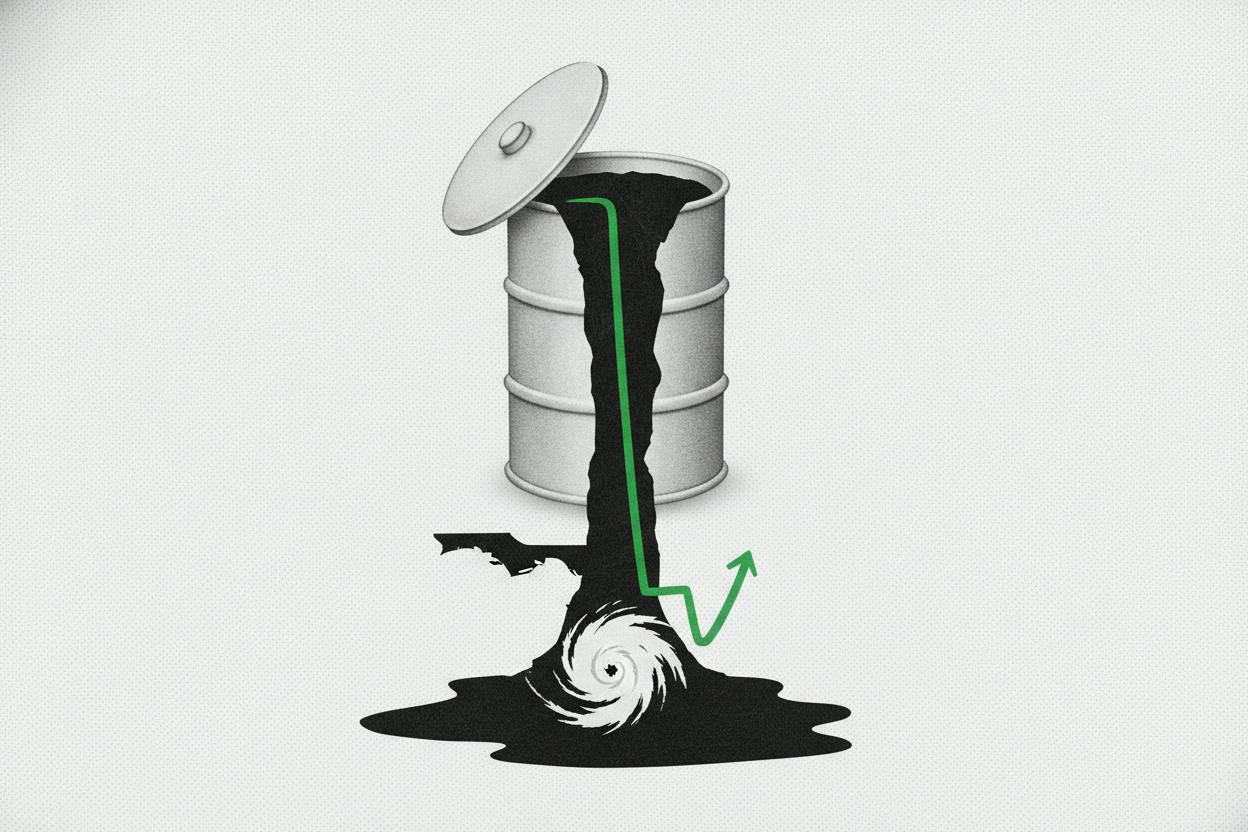
Adding to the day's headlines, BP said it had paused some of its oil and gas production in the Gulf of Mexico and evacuated staff as Hurricane Isaias churned toward the region. The storm, which was moving through the Atlantic, prompted precautionary shutdowns that are common in the energy industry when severe weather threatens offshore platforms.
Why oil prices are easing
The pullback in crude comes after a period of elevated prices, driven by tight supply and geopolitical tensions. But Friday's decline suggests traders are taking profits or adjusting positions ahead of the weekend. Natural gas futures were also under pressure, adding to the bearish tone across the energy complex.
For everyday investors, the connection between oil prices and energy stocks is straightforward: when crude falls, the revenues and profit margins of oil producers and service companies tend to shrink, so their share prices often follow suit. The Energy Select Sector SPDR Fund is a convenient barometer for this relationship, as it holds a basket of major energy names.
BP's storm response
BP's decision to halt some Gulf output is a standard safety measure. Hurricanes in the Gulf of Mexico can damage platforms and disrupt production, so companies typically evacuate non-essential personnel and shut in wells when a storm approaches. The actual impact on global supply is usually modest, as the Gulf accounts for a small fraction of worldwide production, but it can add a layer of uncertainty to an already volatile market.
Investors will be watching how Hurricane Isaias develops and whether it strengthens or shifts course. If the storm causes prolonged shutdowns, it could temporarily tighten supply and support prices. Conversely, if it passes without major damage, the market may quickly move on.
What it means for investors
For those holding energy stocks or funds, Friday's dip is a reminder of how sensitive the sector is to commodity prices. A 1% drop in Brent is not a dramatic move, but it can translate into noticeable swings in individual stocks, especially those with higher leverage to oil prices.
It's also worth noting that energy stocks have been a bright spot for many portfolios this year, benefiting from the surge in crude prices. But that also means they can be more volatile when the tide turns. Diversification remains a key strategy—having a mix of sectors can help cushion the impact of a pullback in any single area.
Looking ahead, traders will keep an eye on weekly inventory data, OPEC+ decisions, and any news on the hurricane's path. For now, the pre-market dip appears to be a routine adjustment rather than a signal of a major trend reversal.
If you're invested in energy, it's a good time to review your exposure and ensure it aligns with your risk tolerance. As always, past performance is no guarantee of future results, and it's wise to consult a financial advisor for personalized guidance.