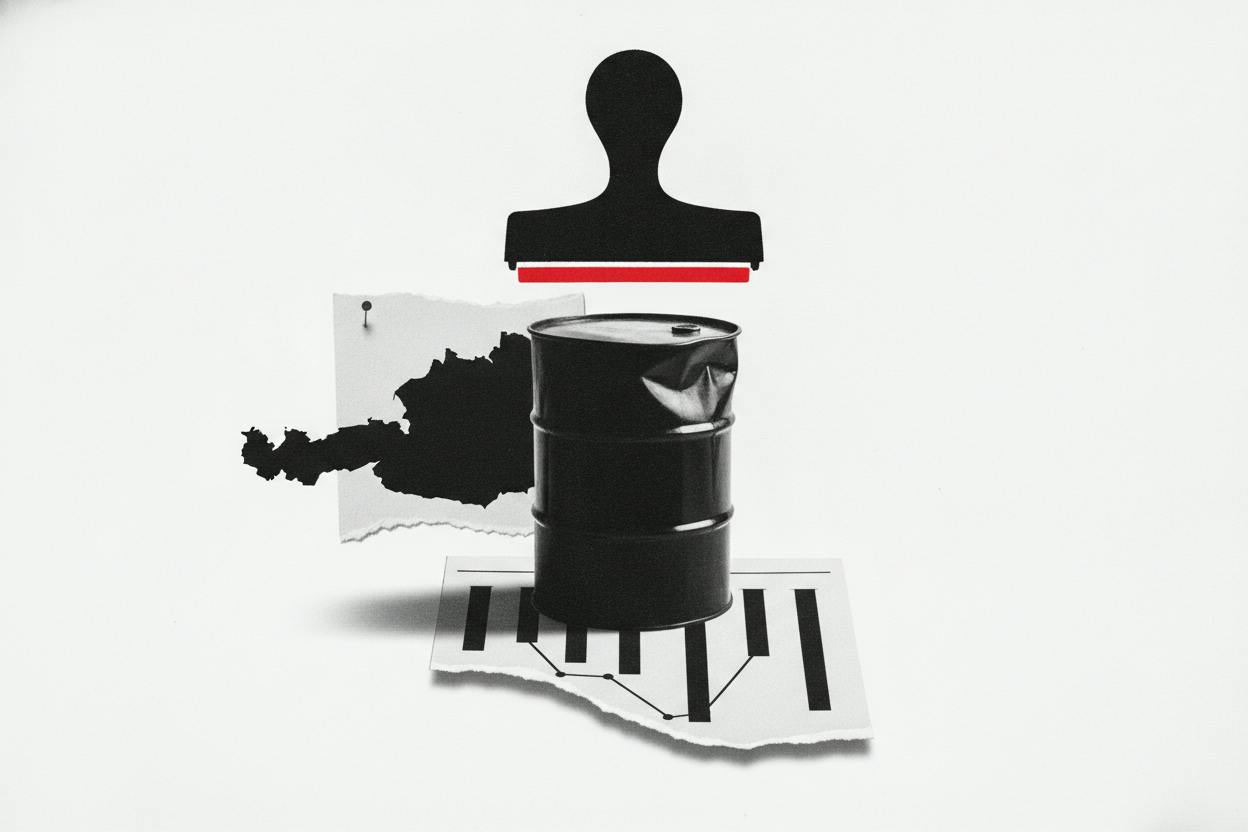
OMV, one of Austria's largest energy companies, has warned that windfall taxes imposed by Austria and Romania will significantly reduce its reported net income for the third quarter. The company expects the levies to cut earnings by between €150 million and €200 million, adding to a list of challenges that include disrupted shipments from the Middle East and a weaker chemicals market.
What are windfall taxes?
Windfall taxes are special levies that governments impose on companies when they earn unexpectedly high profits, often during periods of rising commodity prices. In the energy sector, several European governments introduced such taxes after oil and gas prices spiked, arguing that energy firms were benefiting from conditions beyond their control. The idea is to capture some of those excess profits to help fund relief for households and businesses struggling with high energy bills.
For OMV, the impact is substantial. The €150 million to €200 million hit represents a meaningful chunk of its quarterly earnings. While the company did not specify how the burden is split between Austria and Romania, both countries have implemented windfall measures targeting energy producers. Investors should note that these are non-operational charges—they reflect government policy rather than the company's underlying business performance.
Middle East shipments and chemicals weakness
Beyond the tax hit, OMV flagged two other headwinds. First, it said some shipments from the Middle East were missed, likely due to ongoing geopolitical tensions in the region. The Red Sea shipping route, a key artery for oil and gas transport, has seen disruptions as attacks on vessels have forced rerouting and delays. For an energy company like OMV, any interruption in supply chains can affect volumes and timing of deliveries, potentially impacting revenue.
Second, OMV pointed to weaker chemicals markets. The chemicals division, which produces plastics and other materials, is sensitive to the broader economic cycle. When manufacturing activity slows, demand for chemicals tends to fall. Recent data has shown softening industrial output across Europe, and OMV's warning suggests that trend is hitting its bottom line. This is consistent with what other chemical producers have reported, as high energy costs and cautious consumer spending weigh on the sector.
What this means for investors
For everyday investors, OMV's announcement is a reminder that energy companies, despite often strong cash flows, face a range of pressures beyond oil and gas prices. Windfall taxes are a direct hit to profitability, and they can be hard to predict. While they are not part of core operations, they reduce the amount of money available for dividends, share buybacks, or reinvestment.
The missed Middle East shipments highlight the geopolitical risks that energy firms carry. Even if a company has diversified supply sources, disruptions in key regions can ripple through its operations. Investors should watch how OMV manages these challenges in the coming months, particularly whether it can recover lost volumes and whether chemical demand stabilizes.
OMV's warning comes at a time when oil prices have been sliding as major economies tap strategic reserves and Middle East exports begin to recover. Lower oil prices can squeeze margins for producers, though they also reduce the windfall tax burden in some jurisdictions, as those taxes are often tied to profit levels.
Broader market context
The energy sector has been volatile this year. After a period of high prices, many companies are now facing a more uncertain outlook. Windfall taxes have become a recurring theme across Europe, with several governments extending or expanding them. For investors, this means that even profitable energy companies may not see those profits translate into shareholder returns.
OMV's situation is not unique. Other European energy firms have also warned about the impact of such taxes. The key takeaway is that government policy is now a major factor in energy company earnings, and it can change quickly.
Looking ahead
OMV will release its full third-quarter results in the coming weeks. Investors will be keen to see the exact numbers and hear management's outlook for the rest of the year. The company's ability to navigate the tax environment, resolve supply chain issues, and manage its chemicals business will be critical.
For those holding OMV shares or considering an investment, it's worth remembering that energy stocks are cyclical and subject to external shocks. Windfall taxes, geopolitical tensions, and economic slowdowns are all part of the picture. While OMV's core business may be sound, the near-term earnings picture is clearly clouded.
As always, diversification is key. Energy companies can offer attractive dividends, but they also carry risks that are outside management's control. Keeping a balanced portfolio can help mitigate the impact of such headwinds.