As US airlines prepare to report third-quarter results, Morgan Stanley is telling investors to look past the usual earnings headlines. The investment bank argues that with jet fuel prices climbing above $4 a gallon, the numbers that matter most are not in the quarterly report but in what carriers say about their plans for late 2026 and early 2027.
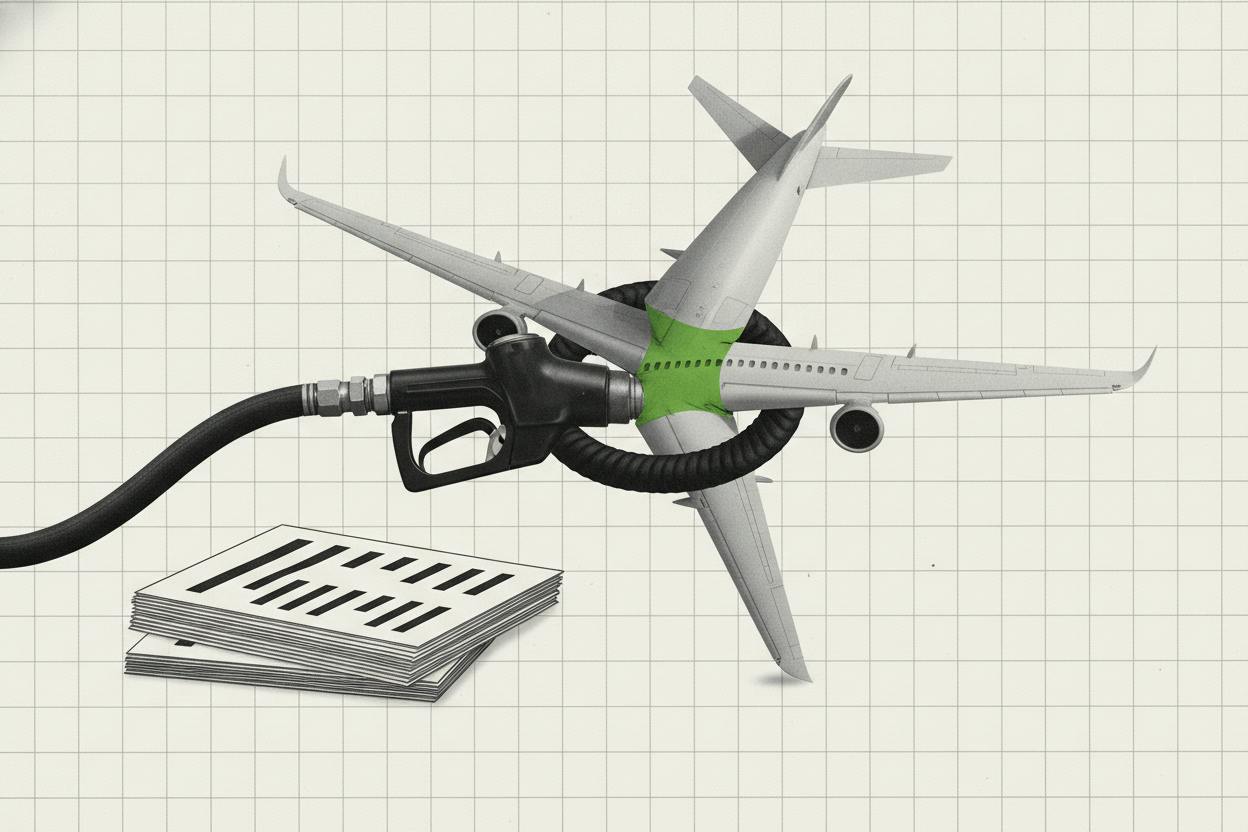
Fuel is one of the largest expenses for any airline, often accounting for a quarter or more of operating costs. When prices spike, they can wipe out gains from strong demand or higher fares. Morgan Stanley's note highlights that jet fuel has pushed past the $4 mark, a level that historically makes investors nervous about profit margins.
Why fuel is the story
Airlines typically enter earnings season talking about passenger demand, ticket pricing, and load factors. But fuel can quickly dominate the conversation because it is a cost that carriers cannot easily avoid. Unlike labor or aircraft leases, fuel prices swing with global energy markets, and airlines have limited ability to pass those costs to customers in real time.
The International Air Transport Association (IATA) estimated last week's average jet fuel price at $187.34 a barrel, according to the Morgan Stanley note. That is a stark reminder that energy costs can stay uncomfortable for longer than many expect. For context, jet fuel prices have been volatile over the past year, influenced by geopolitical tensions, refinery capacity, and global demand for crude oil.
When fuel prices rise, airlines often respond by trimming capacity—reducing the number of flights or seats—to keep fares high and protect margins. They may also accelerate cost-cutting programs or hedge fuel purchases. But these moves take time to show up in financial results, which is why Morgan Stanley says the market is looking ahead to 2026 and 2027.
What investors are watching
Instead of focusing on third-quarter earnings per share, Morgan Stanley says investors are listening for what carriers say about seat capacity and cost plans for late 2026 and early 2027. That forward-looking guidance is seen as a better indicator of how airlines will navigate the current fuel environment.
Capacity decisions are crucial. If airlines collectively add too many seats, competition intensifies and fares drop, squeezing margins further. If they cut capacity too aggressively, they risk losing market share or missing out on demand. The balance is delicate, and fuel costs add another layer of complexity.
Cost plans are equally important. Airlines may announce new efficiency measures, fleet changes, or fuel-hedging strategies. Investors want to know how management intends to offset higher fuel expenses without sacrificing growth. The answers could influence stock prices more than the actual quarterly numbers.
This dynamic is not unique to airlines. Across industries, companies facing rising input costs often see their shares react more to management's outlook than to past results. For airlines, fuel is the most visible and volatile input, making it a focal point for analysts and investors alike.
What it means for everyday investors
For individual investors, the takeaway is that airline stocks can be sensitive to fuel prices, and earnings season may not tell the full story. A carrier could report strong revenue and still see its stock fall if fuel costs are squeezing margins or if management's forward guidance disappoints.
It's also worth remembering that fuel prices are influenced by global factors—OPEC decisions, refinery outages, geopolitical events—that are largely outside any airline's control. That makes airline stocks inherently more volatile than many other sectors. Investors who hold airline shares should be prepared for swings tied to energy markets, not just company performance.
Morgan Stanley's note is a reminder that in capital-intensive industries, the biggest risks often come from external costs rather than internal execution. For airlines, the price of jet fuel is the elephant in the room, and it's likely to remain the focus until energy markets stabilize.
As the third-quarter earnings season unfolds, watch for airlines to address fuel costs head-on. Their plans for capacity and cost management in 2026 and 2027 will be the real test of how they intend to protect profits in a high-fuel environment.