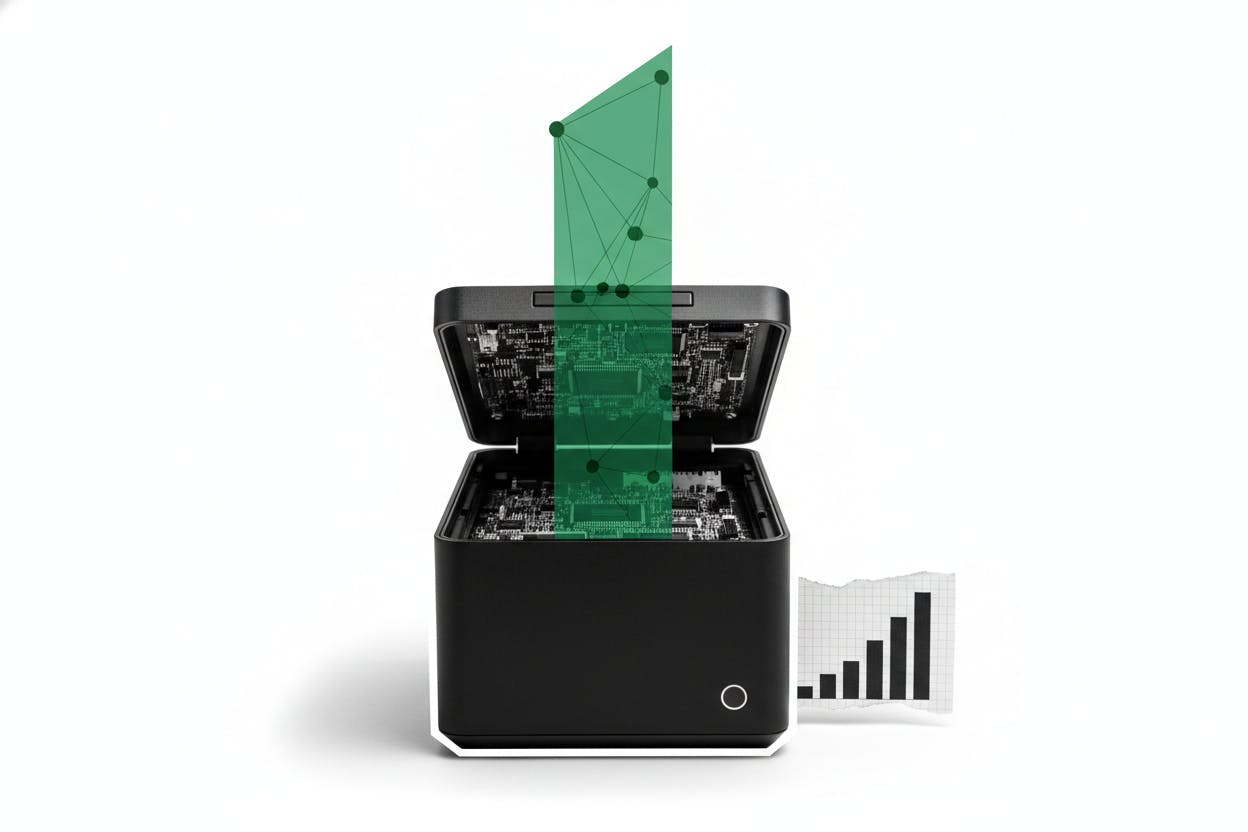
Apple has refreshed its desktop lineup with a clear message: artificial intelligence is the new battleground. The company unveiled a new Mac mini powered by its M6 chip and a refreshed Mac Studio available with either the M5 Max or M5 Ultra processor. Both machines go up for pre-order Tuesday in 30 countries and regions, including the United States.
The headline feature is what Apple calls “on-device AI” speed—the ability to run AI models locally on the hardware rather than relying on cloud servers. That pitch is central to Apple's broader strategy as it competes with rivals like Microsoft and Google in the race to make AI a reason to buy new devices.
What is on-device AI and why does it matter?
On-device AI refers to artificial intelligence tasks—such as image recognition, language processing, or predictive text—that are processed directly on your computer or phone, rather than being sent to remote data centers. For users, this can mean faster responses, better privacy, and the ability to work offline. For Apple, it's a way to differentiate its hardware in a market where many AI features currently depend on cloud connections.
The M6 chip in the Mac mini and the M5 Max and M5 Ultra options in the Mac Studio are designed to handle these workloads efficiently. Apple has been steadily increasing the neural engine capabilities of its chips, and these new models appear to continue that trend. The company is betting that consumers and professionals will pay a premium for hardware that can handle AI tasks without needing an internet connection.
This focus comes at a time when the broader tech industry is pouring billions into AI infrastructure. Data center demand for AI is surging, as seen in recent moves by companies like Aggreko and CoVolt Power, both of which have filed for IPOs to capitalize on the electricity needs of AI data centers. But Apple's approach is different: instead of pushing everything to the cloud, it's trying to bring more AI processing to the edge—your desk.
Pricing and positioning
The new Mac mini starts at $899 in the US, while the Mac Studio starts at $2,499. These price points put the Mac mini in the range of a mid-tier desktop for everyday users, while the Mac Studio targets creative professionals, developers, and researchers who need serious computing power.
Apple's decision to lead with AI in its marketing is a signal to investors. The company has been slower to roll out generative AI features compared to some rivals, but it's now making a clear push to integrate AI into its hardware ecosystem. This could help drive upgrade cycles, as customers who want the latest AI capabilities may feel compelled to buy new machines.
For context, the tech sector has been volatile lately, with chip stocks dragging the Nasdaq lower as Washington targets AI data centers. That regulatory scrutiny is aimed at cloud infrastructure, but it underscores the growing importance of AI to the entire tech economy. Apple's on-device approach could be seen as a way to sidestep some of those regulatory and energy concerns, since it doesn't require massive data center buildouts.
What it means for investors
For everyday investors, the launch is a reminder that Apple's hardware business is increasingly tied to AI. The company's ability to sell new Macs depends on convincing customers that the latest chips are worth the upgrade. If the on-device AI pitch resonates, it could boost Apple's revenue and margins, which would be positive for shareholders.
But it's also worth noting that Apple faces competition. Other PC makers are incorporating AI features into their devices, and the broader AI boom has been a double-edged sword for tech stocks. While AI has driven huge gains for companies like Nvidia, it has also raised questions about whether the spending on AI infrastructure will pay off. Apple's bet on on-device AI is a different play, but it's not without risk.
Investors will likely watch pre-order numbers and early reviews to gauge demand. If the new Macs sell well, it could signal that Apple's AI strategy is gaining traction. If not, it might suggest that customers are waiting for more compelling AI features or holding off on upgrades due to economic uncertainty.
In the meantime, the broader market continues to digest the implications of AI. From nVent's acquisition to UBS's upgrade of Celestica, the investment community is clearly focused on AI's infrastructure needs. Apple's move to emphasize on-device AI adds another dimension to that story, one that could appeal to investors looking for companies that can benefit from AI without the massive capital expenditures of data centers.
As always, it's important to remember that product launches don't guarantee stock performance. Apple's shares have historically been driven by iPhone sales, and the Mac is a smaller part of its revenue. But the company's ability to innovate in AI could have long-term implications for its ecosystem, including the iPhone and services. For now, the new Macs are a tangible step in that direction.