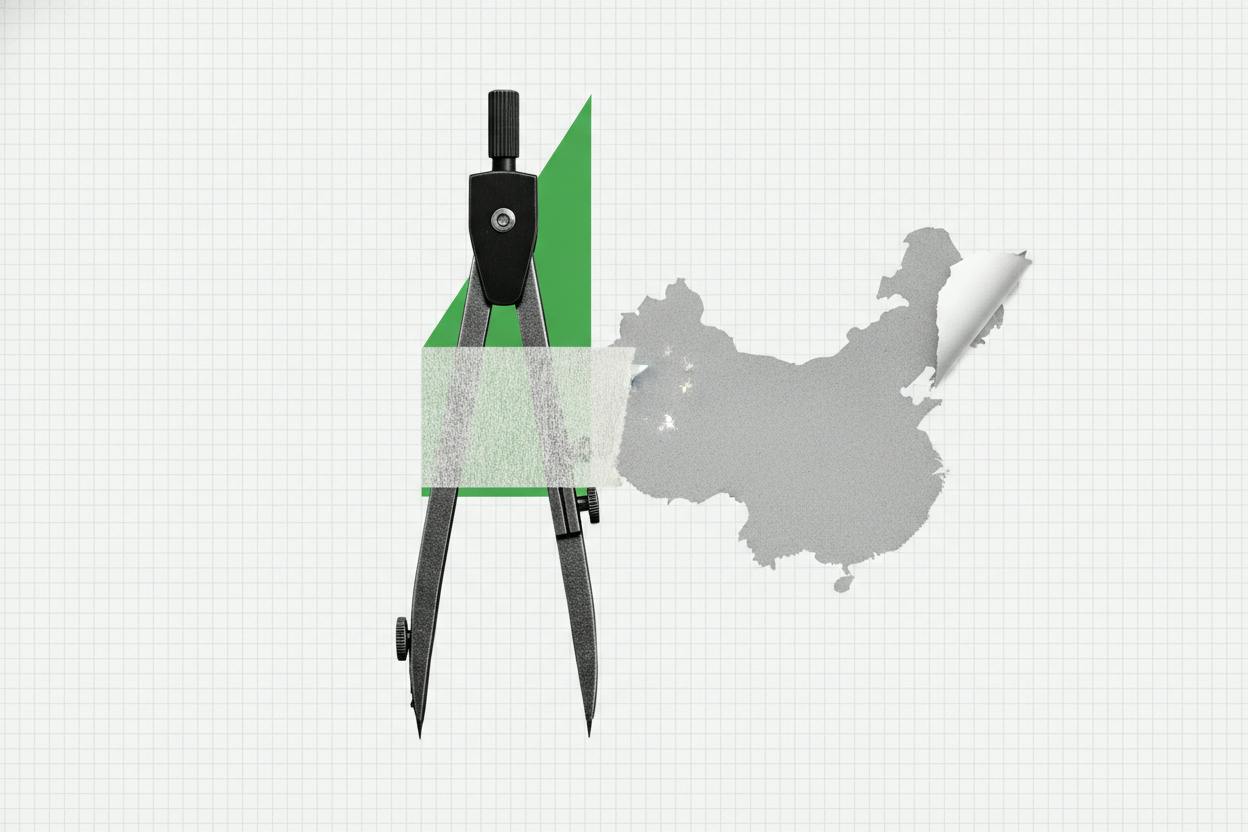
Dutch engineering firm Arcadis is reshaping its business after fending off a takeover approach from Canada's WSP Global. The company said it plans to sell most of its architecture unit and exit its China operations, a move designed to boost profitability rather than raise cash.
The strategy, part of a new 2027-2029 plan, involves shedding roughly €200 million in revenue from the architecture business. Management expects the divestments to lift the company's operating EBITDA margin by about 1 percentage point. CEO Heather Polinsky told Reuters that the sales are unlikely to generate meaningful proceeds, signaling the goal is to simplify the organization and stop carrying lower-return work.
Arcadis also plans to cut around 1,000 jobs in 2027 as part of the restructuring. The job reductions will likely affect the businesses being sold or wound down, though the company has not detailed specific locations or functions.
Why is Arcadis doing this?
Arcadis, a global engineering and consulting firm, has long been known for its work in infrastructure, water, and environmental projects. Its architecture unit, while part of the company's heritage, has been a drag on overall margins compared with its higher-margin consulting and design services.
Exiting China is a separate strategic shift. The company's China business has faced challenging market conditions, including slower growth and increased competition. By pulling out, Arcadis can focus on markets where it sees stronger demand and better returns.
The decision comes weeks after Arcadis rejected a takeover approach from WSP Global, a Canadian rival. That approach, which was not made public in detail, prompted Arcadis to double down on its independence and articulate a clearer path to value creation for shareholders.
What does this mean for investors?
For everyday investors, the key takeaway is that Arcadis is prioritizing profitability over size. Selling lower-margin businesses will reduce revenue, but the company expects the remaining operations to be more profitable. A 1-point margin improvement is meaningful for a company with an EBITDA margin in the mid-teens, as it can translate into a significant boost to earnings per share.
The lack of expected sale proceeds is notable. It suggests the assets may not fetch high prices, or that the company is willing to accept modest returns to achieve its strategic goals. Investors should watch how the divestments are executed and whether the margin improvement materializes as planned.
Job cuts, while painful for employees, are often a sign that a company is serious about cost discipline. The 1,000 reduction represents a small fraction of Arcadis's global workforce of around 30,000, but it underscores the company's commitment to streamlining operations.
Broader context
Arcadis is not alone in reshaping its portfolio. Many engineering and consulting firms have been re-evaluating their business lines to focus on higher-growth areas like sustainability, digital services, and infrastructure modernization. The sector has also seen consolidation, with larger players acquiring smaller specialists to gain scale.
WSP's interest in Arcadis highlights the attractiveness of the engineering sector, which benefits from long-term trends like climate adaptation and urban development. However, Arcadis's decision to remain independent means it must deliver on its own strategy to satisfy investors.
The company's plan is part of a broader trend of corporate simplification. Similar moves have been seen across industries, as companies shed non-core assets to improve returns. For example, Airbus is considering asset sales to address regulatory concerns, while BP is exploring shale asset deals to optimize its portfolio.
What to watch next
Investors will be looking for details on the timing and terms of the asset sales. The company has not named potential buyers, but it will likely seek to complete the exits over the next couple of years. The job cuts are scheduled for 2027, suggesting a gradual transition.
Another key question is how the divestments will affect Arcadis's growth prospects. While the company is giving up revenue, it may be able to reinvest in higher-margin areas. Management has not yet outlined specific growth initiatives, but the 2027-2029 plan is expected to include more details in the coming months.
For now, the message to investors is clear: Arcadis is betting that a leaner, more focused company will deliver better returns than a larger, more diversified one. Whether that bet pays off will depend on execution and market conditions.