India's Ashok Leyland, the commercial-vehicle arm of the Hinduja Group, managed to grow its first-quarter profit even as expenses climbed, thanks to price hikes and still-healthy demand for trucks and buses. The company reported a 2.3% rise in profit for the quarter ended June 30, while revenue increased 10.4% to 96.34 billion rupees, according to Reuters.
The results show a truckmaker navigating a tricky environment: input costs are rising, competition is intense, and market share is slipping. Yet Ashok Leyland still found a way to protect its bottom line, a sign that pricing power and a favourable product mix can offset some of the pressure.
How Ashok Leyland beat the cost squeeze
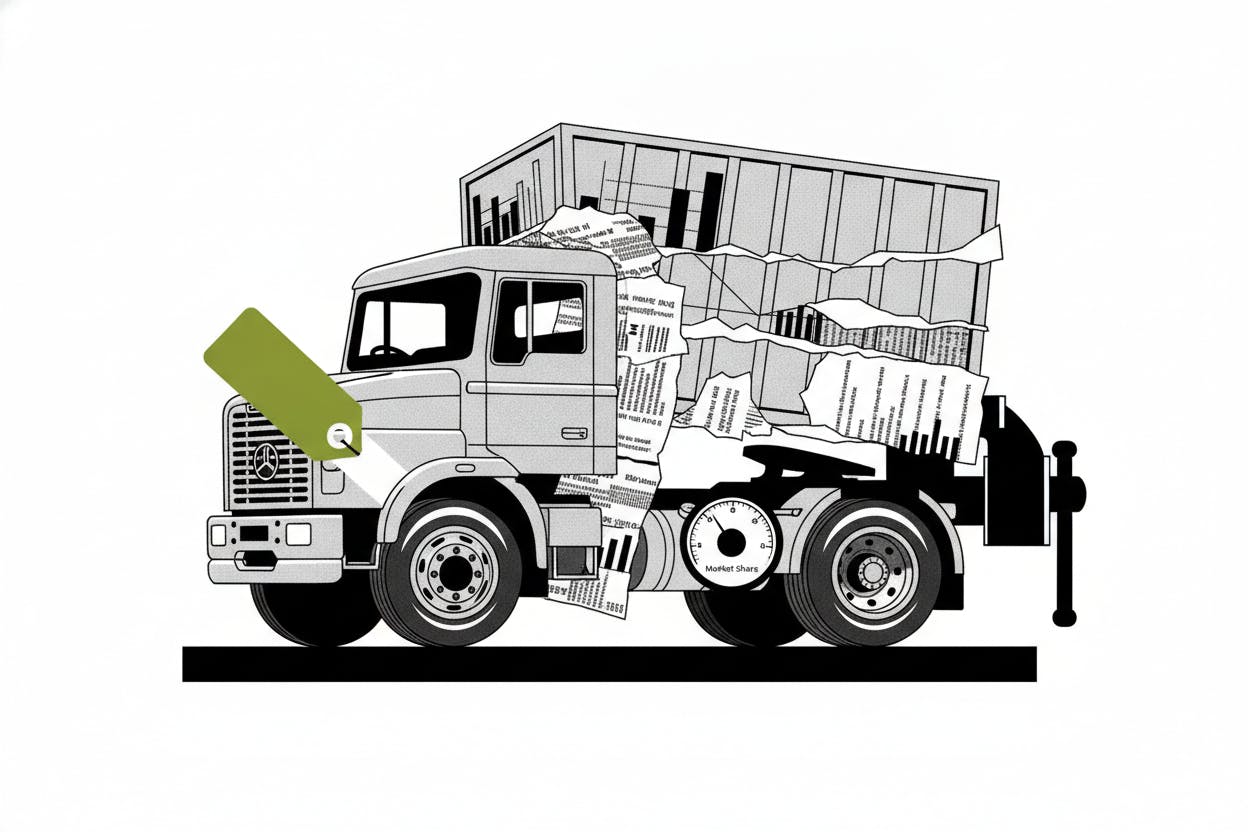
The key to the quarter was pricing. Ashok Leyland raised prices on its vehicles, and it appears to have sold a richer mix of trucks and buses, which helped revenue grow faster than the 2.3% profit increase. Revenue climbed 10.4%, while total expenses rose 11.4% and input costs were up 8.3%. In other words, the company charged more per vehicle, and customers kept buying.
That's not always easy in the commercial-vehicle market, where buyers—fleet operators, logistics companies, and bus operators—are highly sensitive to price. But demand has been supportive. The Federation of Automobile Dealers Associations, an auto-dealers body, reported that commercial-vehicle retail sales rose 13.6% year-on-year during the quarter, indicating that the broader market is growing.
Still, Ashok Leyland's market share slipped to 17.75% during the quarter. That's a reminder that while the company is growing, rivals are growing faster. In a market where scale matters, losing share can be a concern, even if profits are up.
What this means for investors
For everyday investors, Ashok Leyland's results offer a few takeaways. First, pricing power matters. When a company can raise prices without losing too many customers, it can protect margins even when costs are rising. That's a sign of a strong brand and a competitive position.
Second, watch the market share trend. A company can post higher profits for a while even as it loses ground, but if the slide continues, it could eventually hit revenue growth and profitability. Investors should keep an eye on whether Ashok Leyland can stabilise or regain share in coming quarters.
Third, the broader commercial-vehicle cycle is important. Truck and bus sales are closely tied to economic activity—when goods move and people travel, demand for vehicles rises. The 13.6% retail sales growth suggests the cycle is still in an upswing, which bodes well for the sector.
Ashok Leyland's performance also contrasts with some peers. For instance, Tata Motors saw its Q1 profit drop 80% amid margin pressure, highlighting that not all automakers are managing the cost environment equally. Ashok Leyland's ability to grow profit despite similar headwinds is notable.
Investors should also consider the broader context. The Indian economy has been growing steadily, and infrastructure spending has been a priority for the government. That tends to support demand for commercial vehicles, as construction and logistics need trucks. However, any slowdown in economic growth or a spike in fuel prices could quickly change the picture.
For those holding Ashok Leyland shares, the key question is whether the company can maintain its pricing discipline and win back market share. For those watching from the sidelines, the results are a reminder that even in a competitive industry, well-managed companies can find ways to grow profits.
As always, it's worth remembering that one quarter doesn't make a trend. Ashok Leyland's ability to repeat this performance will depend on how long the commercial-vehicle upcycle lasts and how effectively it can manage costs. The company's next earnings report will be closely watched for signs of whether the pricing strategy is sustainable.
In the meantime, the stock's reaction to these results will tell investors how the market views the trade-off between profit growth and market share loss. If the shares hold up, it suggests investors are comfortable with the strategy. If they fall, it could signal concerns about the company's competitive position.
For a broader look at how companies are handling cost pressures, see Aviva's first-half profit jump, which also shows how pricing and deal-making can boost results. And for a different angle on pricing power, SMIC's price increases on tight AI-driven capacity show how supply constraints can lift revenue.
Ultimately, Ashok Leyland's quarter is a case study in the balancing act that automakers face: grow revenue, manage costs, and hold onto market share. It managed the first two, but the third remains a work in progress.