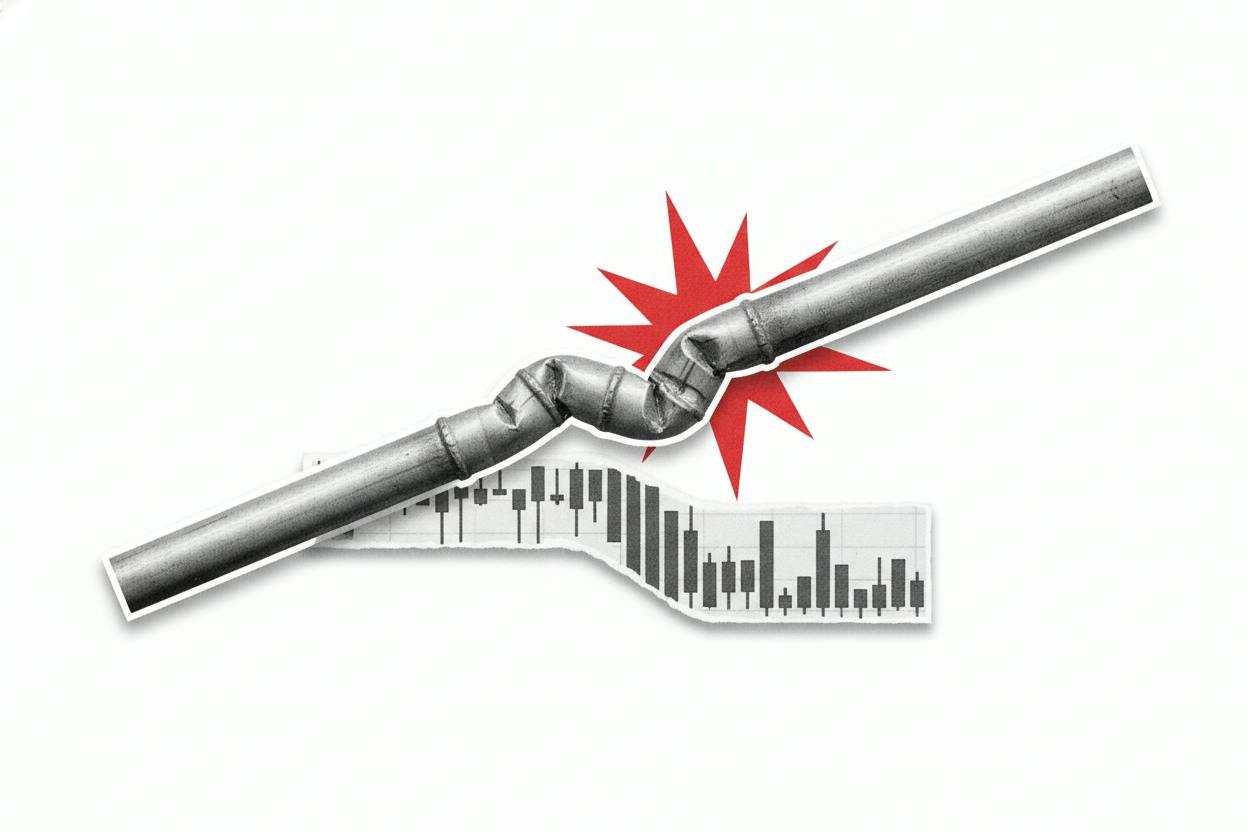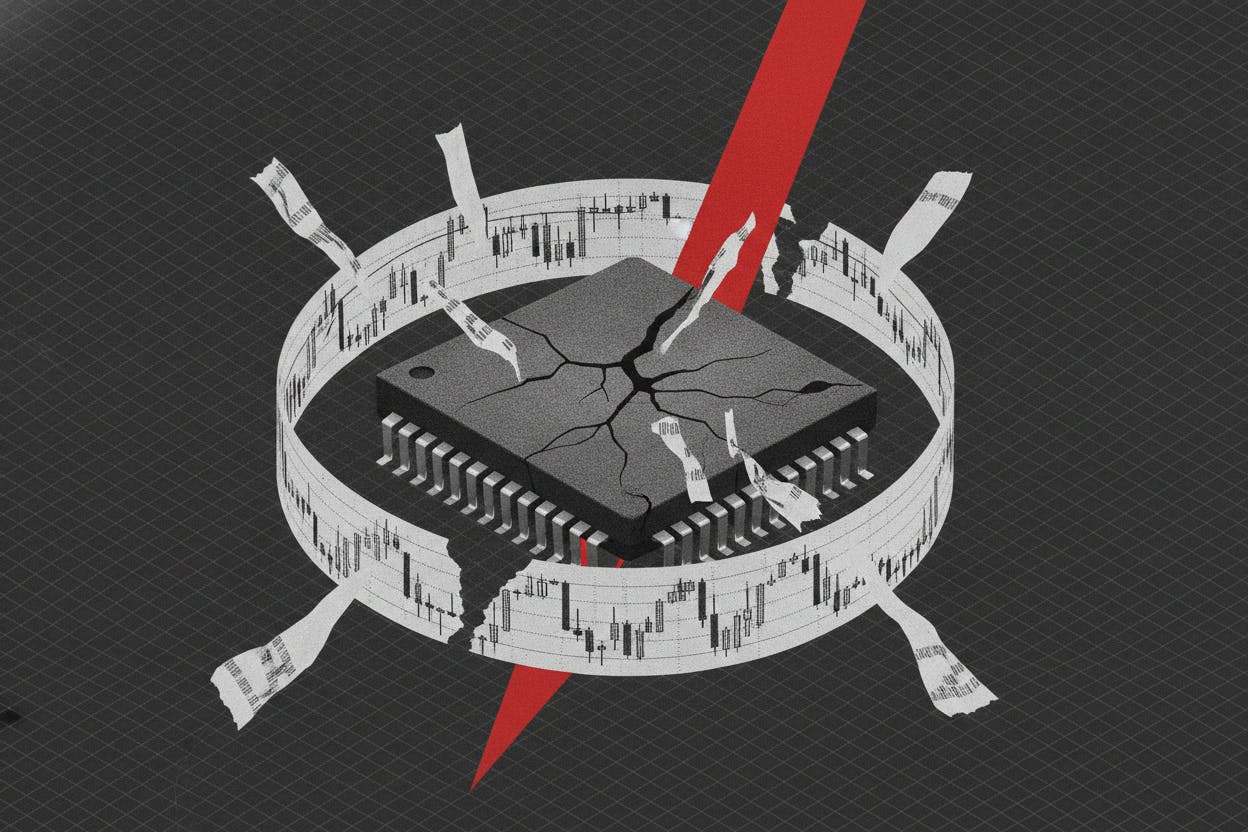
A popular bet on Asian AI chip stocks has backfired badly for hedge funds this month. According to Goldman Sachs, Asia-focused equity long-short funds have lost 18.6% in July through July 28, as the once-crowded trade reversed and semiconductor shares sold off sharply.
What happened
Goldman Sachs, a global investment bank, told clients that these funds are on track for their worst month on record. Many managers had generated strong returns earlier this year by betting on AI hardware names such as SK Hynix and Samsung Electronics. But Goldman says the group has since given back 21 percentage points of year-to-date performance after peaking around July 22.
Long-short funds try to profit by buying stocks they expect to rise (long positions) and selling stocks they expect to fall (short positions). When a trade becomes crowded—meaning many funds hold similar positions—a sudden reversal can trigger rapid losses as everyone rushes to exit at once.
Why AI chip stocks fell
The sell-off in Asian chip stocks is part of a broader pullback in AI-related shares globally. The S&P 500 hit a one-month low recently as the Federal Reserve held interest rates steady and AI stocks slumped. In Asia, semiconductor shares have been especially hard hit, dragging regional markets to a three-month low.
Investors have grown concerned that the lofty valuations of AI chip makers may not be justified by near-term earnings. While demand for AI computing power remains strong, some analysts worry that supply is catching up and that the initial frenzy of AI infrastructure spending may cool.
What it means for investors
For everyday investors, this episode is a reminder of the risks in concentrated, momentum-driven trades. Hedge funds that rode the AI wave higher are now experiencing the downside of leverage and crowding. When many funds hold the same positions, a reversal can be violent.
Individual investors who own Asian chip stocks through ETFs or mutual funds may also feel the pain. The sell-off in SK Hynix and Samsung Electronics has weighed on broader Asian equity indexes. However, long-term investors with diversified portfolios are less exposed to the kind of sharp drawdowns that hit leveraged hedge funds.
It is also worth noting that the broader market backdrop remains uncertain. The Fed's rate decisions continue to influence global risk appetite, and consumer goods companies like P&G are warning of slower growth, suggesting that economic headwinds may persist.
What to watch next
Investors will be watching for further commentary from Goldman and other prime brokers on hedge fund positioning. If the unwind of crowded AI trades continues, it could create additional selling pressure in Asian chip stocks. Conversely, if the sell-off stabilizes, some of these funds may find opportunities to rebuild their positions at lower prices.
Earnings reports from major chip makers in the coming weeks will also be critical. If companies like SK Hynix and Samsung Electronics deliver strong results and guidance, it could restore confidence in the AI trade. But if earnings disappoint, the sell-off could deepen.
For now, the message from the hedge fund world is clear: even the hottest trades can turn cold quickly. Diversification and risk management remain essential, especially in a market where crowded positions can unwind with little warning.