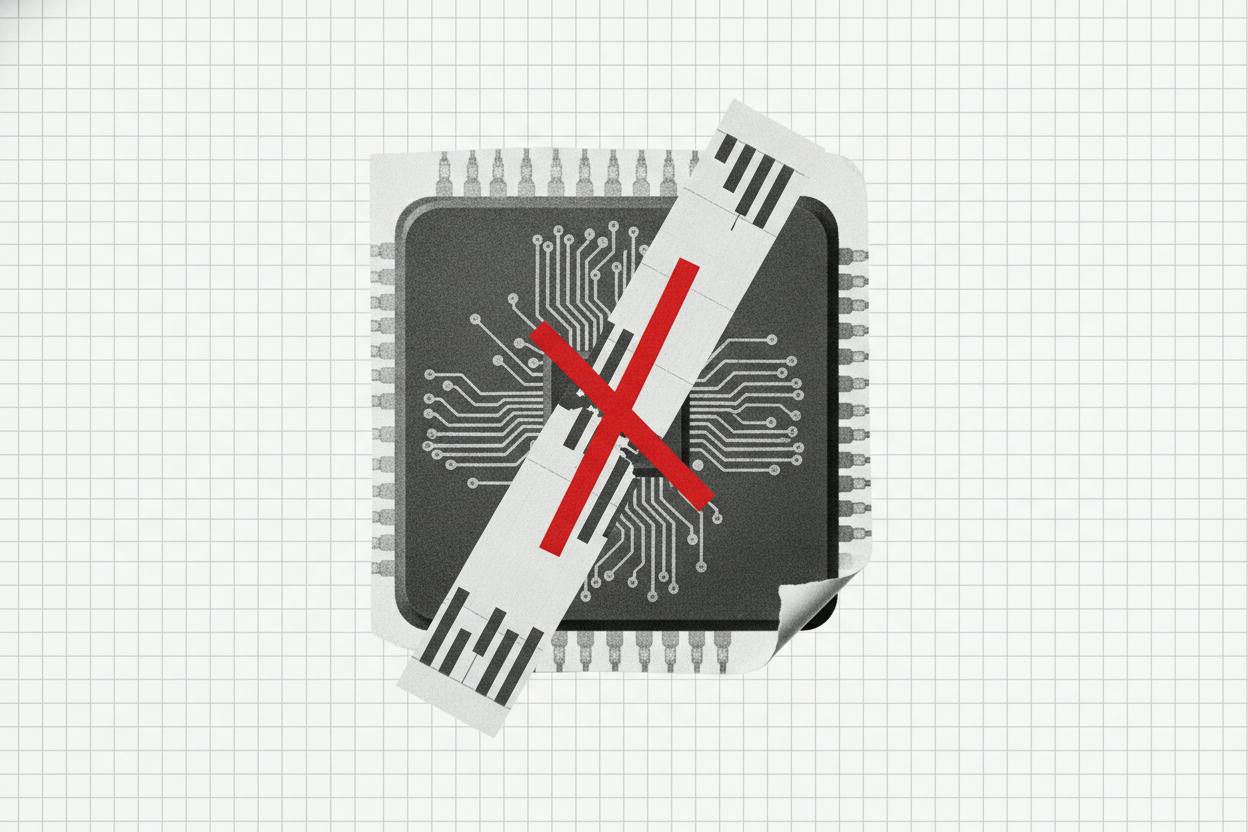
Asia's technology-heavy stock markets took a heavy hit on [day], as a sharp selloff on Wall Street reignited concerns about the pace and sustainability of the artificial-intelligence boom. South Korea's KOSPI index plunged more than 8%, triggering a temporary trading halt, after the US Nasdaq composite fell 5.5% in the previous session.
The turmoil began in the United States, where investors dumped shares of companies tied to AI hardware and data centers. According to Reuters, roughly $3 trillion was wiped off the value of S&P 500 companies, while the Philadelphia Semiconductor Index—a key gauge of chipmakers—tumbled 12.2%. That kind of move signals a major shift in sentiment: investors are questioning whether the enormous sums being poured into AI infrastructure will ever generate the returns they expect.
What's driving the selloff?
The immediate catalyst was political. Reuters reported that Democrats, who gained control after this week's midterm elections, are signaling tougher oversight of AI and data center industries. That could slow spending and delay projects, adding to worries that the AI trade has become overheated.
Even before the political news, there were already doubts about whether the massive capital expenditures by tech giants and chipmakers would pay off. The market had been debating whether the billions invested in AI chips, cloud infrastructure, and data centers would translate into profits. The new regulatory threat gave investors a reason to lock in gains and reduce exposure.
Asia felt the pain quickly because its biggest exporters sit right in the middle of the AI supply chain. Companies in South Korea, Taiwan, and Japan make the memory chips, advanced semiconductors, and data-center equipment that power AI systems. When US investors sell those stocks, the ripple effect is immediate and severe across the region.
Risk-off mood spreads beyond stocks
The selloff wasn't confined to equities. The VIX volatility index—often called Wall Street's "fear gauge"—jumped, reflecting heightened anxiety. Government bonds, traditionally seen as safe havens, attracted buyers, pushing yields lower. The US dollar softened against traditional safe-haven currencies like the Japanese yen and the Swiss franc.
Nick Ferres, chief investment officer at Vantage Point Asset Management, told Reuters that US Treasuries could "rally a lot further," suggesting that investors are seeking shelter in government debt as they flee riskier assets. This pattern is typical when markets turn risk-off: money rotates out of stocks and into bonds, which is why a semiconductor-led slide is often accompanied by talk of a Treasury rally.
What it means for investors
For everyday investors, the key takeaway is that big one-day swings can trigger automatic risk controls that amplify moves. When volatility spikes, some funds are forced to reduce positions to stay within their risk limits—such as value-at-risk (VaR) or volatility targets. They often sell the most liquid and most sensitive stocks first, which tends to include chip and hardware names linked to AI. That can turn a US shock into an outsized move in Asia's chipmakers and data-center suppliers, even without any new company-specific news.
This dynamic helps explain why the KOSPI's 8% drop was so severe. It wasn't just about South Korean companies' fundamentals; it was about global investors de-risking in a hurry. The same forces could keep Asia's AI supply chain under pressure in the coming days, especially if the Philadelphia Semiconductor Index's 12.2% decline continues to reverberate.
For those with exposure to tech stocks, it's worth remembering that volatility cuts both ways. While sharp declines are unsettling, they also create opportunities for long-term investors who believe in the AI story. But it's also a reminder that the AI trade is not a one-way bet—regulatory, political, and valuation risks are real.
As always, diversification matters. A portfolio heavily concentrated in AI-related names can be hit hard when sentiment shifts. Spreading investments across sectors and geographies can help cushion the blow.
Investors will be watching closely to see whether the selloff stabilizes or deepens. Key indicators include any further regulatory announcements from Washington, as well as earnings reports from major chipmakers and tech companies. The recent weakness in chip stocks and the impact of the midterm results are likely to remain in focus.
In the meantime, the rally in Treasuries and the mixed signals from the broader market suggest that investors are navigating a complex environment. The AI trade may be hitting a new snag, but the underlying technology story remains intact—it's just that the market is now demanding more proof that the spending will pay off.