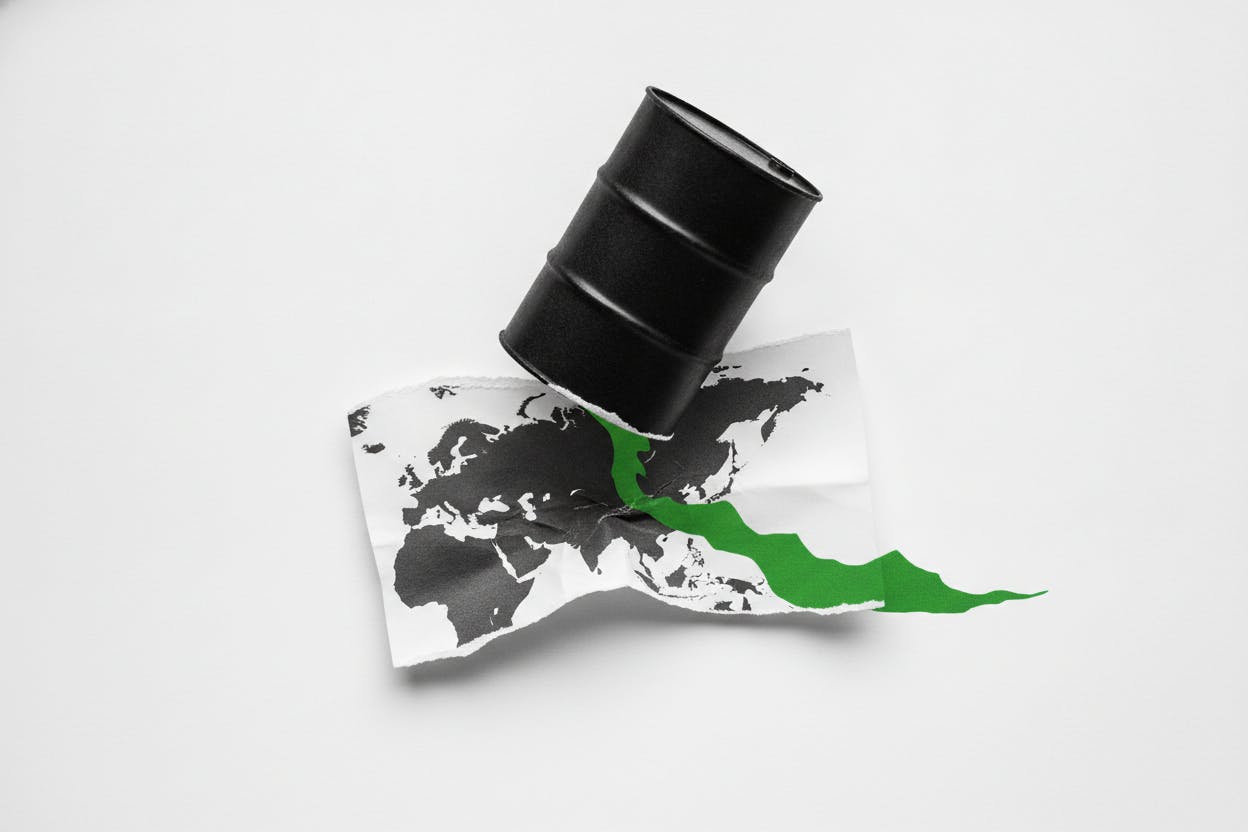
Asian markets cooled on Tuesday after an early rally fizzled, as crude oil hovering near $100 a barrel kept traders wary and helped turn South Korea's KOSPI from a sharp intraday gain into a loss. The reversal underscored how energy costs are now the dominant force shaping sentiment across the region.
What happened
The mood shift was broad. An MSCI index tracking emerging Asian stocks—heavily weighted to South Korea and Taiwan—finished lower after being solidly up earlier in the day. In Seoul, gains narrowed as heavyweight chipmakers lost momentum, a reminder that a rally led by just a couple of mega-caps can fade fast once traders start locking in profits.
South Korea's KOSPI, which had climbed to a mid-August high in recent sessions, reversed course as the day wore on. The index's pullback came despite an early boost from tech names, suggesting that profit-taking and oil-related anxiety outweighed optimism about the semiconductor sector.
Elsewhere, the Philippine peso steadied after hitting a record low on Monday. The currency's weakness reflects the pressure higher energy import costs put on emerging economies that rely heavily on foreign oil.
Why oil matters
The bigger macro overhang is energy. When crude stays expensive because of Middle East tensions, import-dependent Asian nations face a double whammy: their fuel bills rise, and their currencies often weaken as investors worry about wider trade deficits and inflation. That combination can force central banks to keep interest rates higher for longer, which tends to weigh on stock valuations.
Oil near $100 is a level that historically makes equity investors nervous. It squeezes corporate margins, particularly for airlines, logistics firms, and manufacturers that consume a lot of fuel. It also feeds into consumer prices, complicating the inflation fight for central banks from Seoul to Manila.
The recent climb in crude has been driven largely by geopolitical risk, with tensions in the Middle East raising concerns about supply disruptions. While no major outages have occurred, the market is pricing in a risk premium that could persist as long as the conflict remains unresolved.
What it means for investors
For everyday investors, the key takeaway is that oil is now a central variable in how Asian markets move. When crude spikes, expect more volatility in regional indexes, especially those with heavy exposure to tech and manufacturing. Companies that can pass on higher costs to customers may fare better than those that cannot.
The KOSPI's reversal is a cautionary tale about concentration risk. When a few large chipmakers drive most of the gains, a pullback in those names can drag the entire index down. Diversification across sectors and regions remains a sensible strategy, even in markets that look strong on the surface.
The Philippine peso's record low is another reminder that currency moves matter for investors holding foreign assets. A weaker peso erodes the dollar value of local investments and can signal broader economic stress. For those with exposure to emerging markets, keeping an eye on currency trends is as important as watching stock prices.
Looking ahead, traders will be watching oil prices closely, along with any headlines from the Middle East that could push crude higher or lower. Central bank policy decisions, particularly in the US, will also influence how Asian markets respond to energy costs. A stronger dollar, often a byproduct of high oil prices, tends to put additional pressure on emerging market currencies and stocks.
In the meantime, the pattern of early gains fading into losses suggests that investors are not yet confident enough to hold risk through the session. Until oil stabilizes, expect more of the same choppy, cautious trading across Asia.