Asian stocks and US equity futures steadied on Monday, clawing back some ground after last week's sharp selloff driven by worries over the artificial-intelligence trade. Investors are now turning their attention to a busy stretch of tech earnings and a key US inflation report due Tuesday that could shape the Federal Reserve's next move.
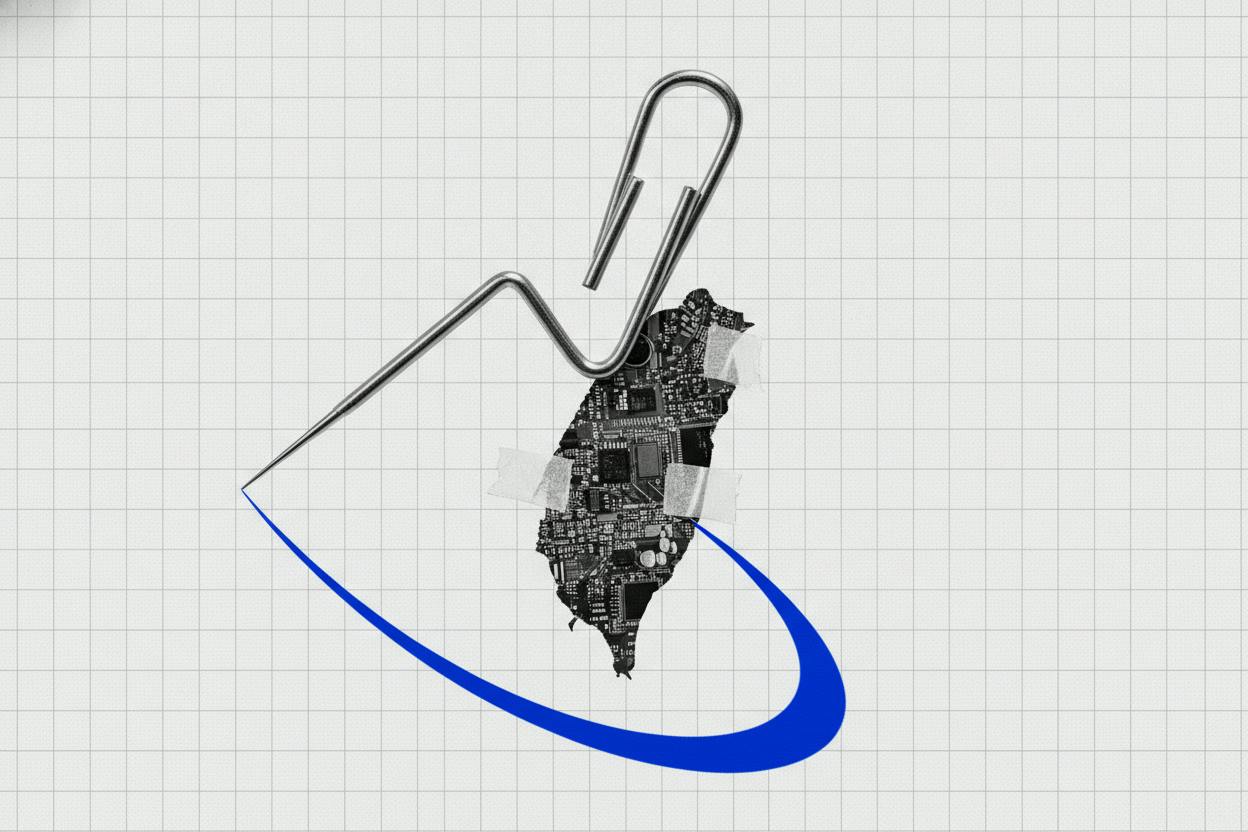
The bounce follows a turbulent week in which markets began to question how quickly demand for chips and other AI infrastructure will translate into actual profits. That skepticism hit tech-heavy benchmarks across the region, with Taiwan's market—a bellwether for the global semiconductor supply chain—rebounding about 2.5% after suffering its steepest weekly drop in decades.
What's driving the AI trade wobble?
The recent volatility reflects a broader reckoning in the AI trade. After a massive rally in chipmakers and cloud-computing names, investors are increasingly asking whether the billions being poured into data centers and AI hardware will deliver returns that justify the valuations. The question is not whether AI will transform industries, but whether the pace of adoption and monetization will match the market's lofty expectations.
This week's earnings from CoreWeave, Applied Materials, and Cisco Systems will offer fresh clues. CoreWeave, a so-called "neocloud" provider that rents out AI computing power, has seen its shares slump more than 50% from recent highs, making its results a critical test of whether the AI infrastructure boom is still on solid footing. Applied Materials, a key supplier to chipmakers, and Cisco, a networking giant, will also provide insight into demand across the semiconductor and enterprise technology supply chain.
The stakes are high. If these companies report strong numbers and upbeat guidance, they could help restore confidence in the AI trade. But any signs of softening demand or delayed spending could reignite the selloff.
Inflation and the Fed: the other big test
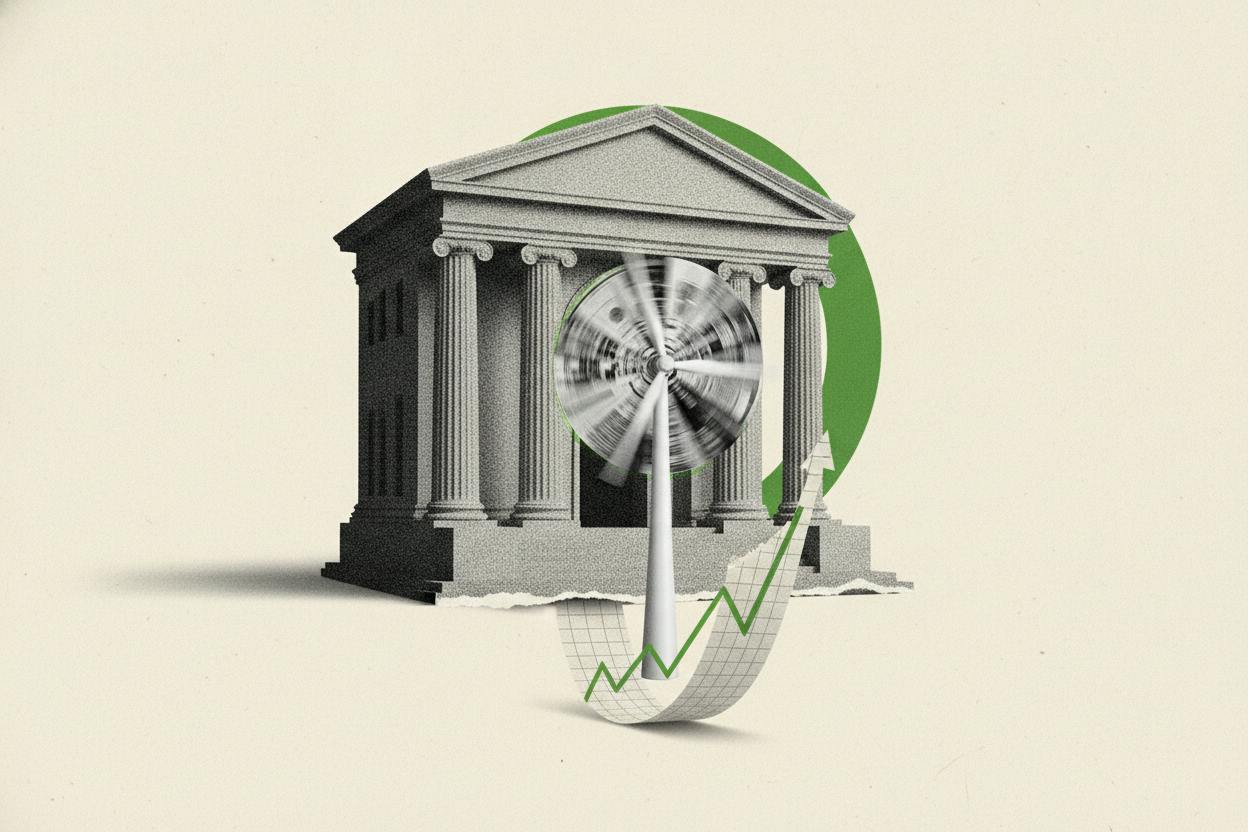
Beyond earnings, Tuesday's US Consumer Price Index (CPI) report is the other major catalyst. Inflation has been cooling gradually, but it remains above the Fed's 2% target. Traders are currently pricing in nearly an 80% chance that the Fed will hike rates again in December, according to the brief. That would mark another step in the central bank's fight against persistent price pressures.
A hotter-than-expected CPI reading could solidify those odds, pushing bond yields higher and putting further pressure on growth-oriented tech stocks. Conversely, a cooler number could ease fears of aggressive tightening and give equities a boost.
The Fed's rate path matters for everyday investors because it directly influences borrowing costs, mortgage rates, and the returns on savings accounts. Higher rates also tend to weigh on stocks, especially those with high valuations that rely on future earnings growth.
What it means for investors
For ordinary investors, the key takeaway is that the AI trade is no longer a one-way bet. While the long-term potential of AI remains intact, the market is becoming more discerning about which companies will actually profit from it. That means more volatility and a greater emphasis on fundamentals.
Diversification remains a prudent strategy. Rather than concentrating in a single hot sector, investors may want to consider a mix of asset classes and geographies. The recent swings in Asian markets, including tensions in the Middle East affecting oil prices, are reminders that global events can quickly shift sentiment.
Also worth noting: the AI selloff has not been confined to Asia. European markets have felt the chill, with the FTSE 100 slipping and Swiss stocks sliding as the trade cools. This interconnectedness means that what happens in one region can ripple across the globe.
As the week unfolds, investors will be watching two things closely: whether tech earnings can justify the AI optimism, and whether inflation data forces the Fed to act more aggressively. Both will help determine whether the recent market turbulence is a blip or the start of a deeper correction.
In the meantime, staying informed and keeping a long-term perspective can help weather the short-term noise. The AI story is far from over, but it is entering a more mature phase where results matter more than promises.