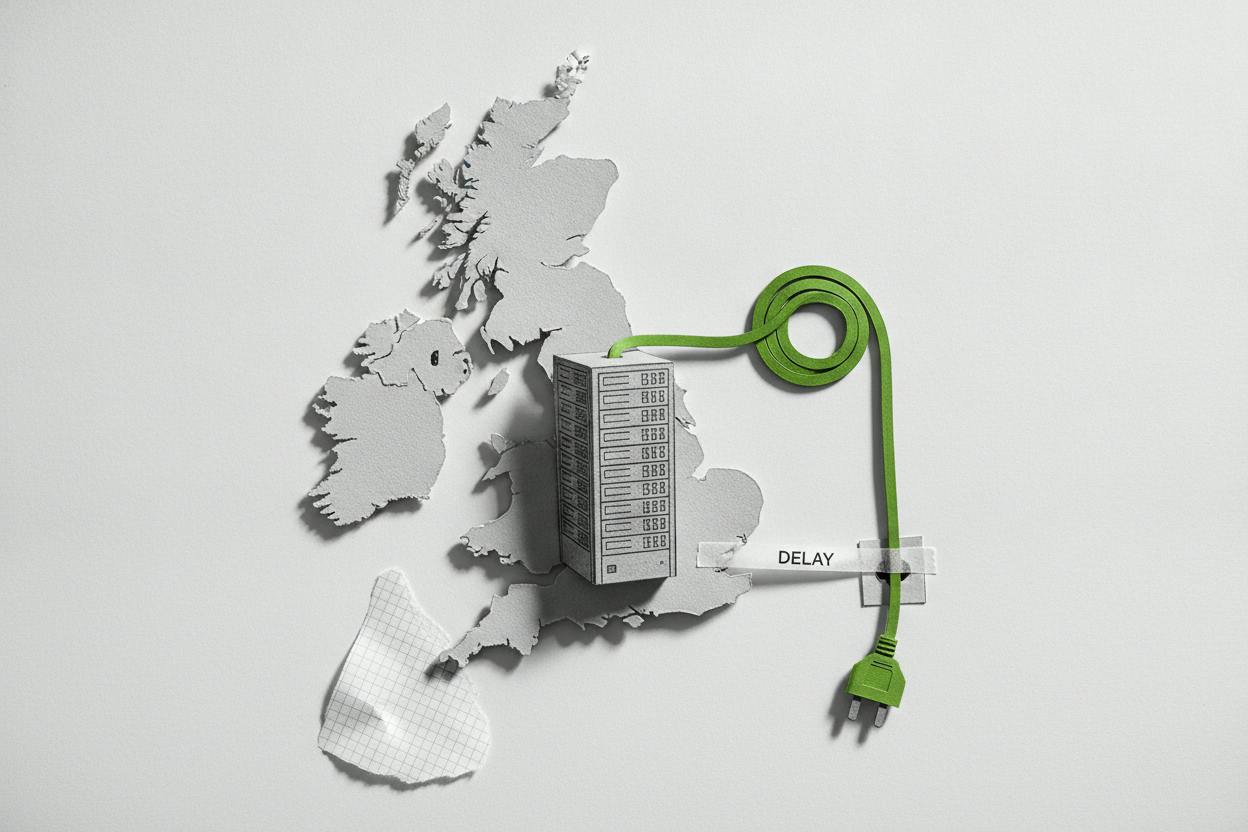
ASML, the Dutch company that makes the machines used to etch patterns onto silicon wafers, is warning some China-based chipmakers to expect roughly 10% higher prices for its deep ultraviolet (DUV) lithography tools. But according to a report from The Information, one of its biggest customers—Taiwan Semiconductor Manufacturing Co. (TSMC)—is pushing back against the price hike.
The move highlights a growing tension in the semiconductor supply chain: ASML wants to raise prices as demand for chipmaking equipment remains strong, but customers like TSMC are resisting, arguing that higher equipment costs will ultimately make chips more expensive.
What Are DUV Lithography Tools and Why Do They Matter?
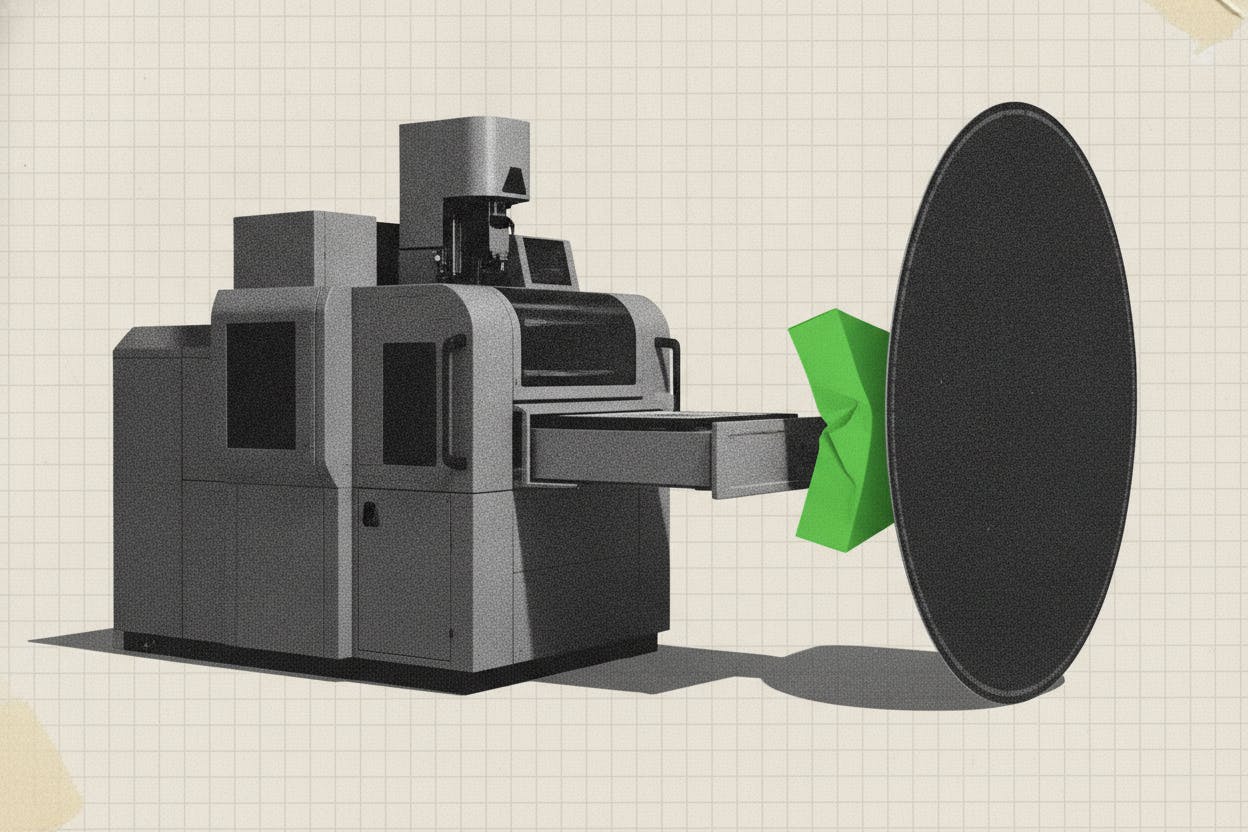
Deep ultraviolet (DUV) lithography machines are a type of semiconductor manufacturing equipment used to print circuit patterns onto silicon wafers. They are less advanced than ASML's extreme ultraviolet (EUV) machines, but they are still critical for producing a wide range of chips—from memory chips to processors used in cars, smartphones, and industrial equipment.
When ASML raises prices on DUV tools, it directly increases the cost of building new chip factories, known as fabs. Chipmakers then spread that higher equipment cost over years through depreciation, which eventually shows up in the price of the chips they sell. So a price hike on ASML's machines today could mean slightly more expensive chips down the road.
Why TSMC Is Pushing Back
TSMC is the world's largest contract chipmaker and one of ASML's most important customers. The company has been investing heavily in new fabrication plants in the U.S., Japan, and Europe, partly driven by geopolitical pressure to diversify chip production away from Taiwan. Higher equipment costs would add to those already massive capital expenditure budgets.
By pushing back against ASML's price increase, TSMC is signaling that it expects its suppliers to share some of the cost burden. If ASML cannot pass on the full 10% hike to TSMC, it may have to absorb some of the increase itself, which could pressure its profit margins.
The pushback also reflects a broader dynamic: as chipmakers like TSMC, Samsung, and Intel spend tens of billions on new fabs, they are increasingly scrutinizing every line item in their equipment budgets. ASML's pricing power, while strong, is not unlimited.
What It Means for Investors
For investors, this story touches on two key themes: ASML's ability to maintain its high margins, and the broader cost pressures in the semiconductor industry.
ASML has long enjoyed a near-monopoly on advanced lithography equipment, giving it significant pricing power. But if a customer as large as TSMC successfully resists a price hike, it could signal that ASML's pricing power is not as absolute as some investors assume. That could be a headwind for ASML's stock, which trades at a premium valuation partly because of its perceived ability to raise prices at will.
On the other hand, if ASML does push through the 10% increase, it would be a positive sign for its revenue and profit growth. The company's DUV tools are still in high demand, especially from Chinese chipmakers who are racing to build out domestic capacity amid U.S. export restrictions on more advanced EUV machines.
For everyday investors, the key takeaway is that higher chip equipment costs tend to ripple through the supply chain. Companies that buy chips—from automakers to smartphone manufacturers—may eventually face higher component prices. But the impact is usually gradual and spread over years, so it is unlikely to cause sudden price spikes.
Broader Context: China's Chip Ambitions and Geopolitical Tensions
The price hike also comes against a backdrop of heightened U.S.-China tensions over semiconductor technology. The U.S. has restricted the sale of ASML's most advanced EUV machines to China, but DUV tools are still allowed for most applications. Chinese chipmakers have been aggressively buying DUV machines to expand their own production capacity, partly as a hedge against future export controls.
ASML's decision to raise prices on DUV tools could be seen as a way to capture more value from that demand. But it also risks alienating Chinese customers at a time when the company is already navigating complex geopolitical pressures.
Meanwhile, China's economy is facing headwinds of its own. Recent data showed China's Q2 GDP growth slowed to 4.3%, its weakest in three years, as domestic woes persist. Slower economic growth could dampen demand for chips in China, potentially making it harder for ASML to pass on price increases there.
What to Watch Next
Investors should watch for any public comments from ASML or TSMC about pricing negotiations. If TSMC's pushback becomes more vocal, it could weigh on ASML's stock. Conversely, if ASML confirms that it has successfully raised prices across the board, that would be a bullish signal.
Also worth monitoring is the broader inflation picture. The New York Fed's John Williams recently said inflation should cool to 3.25% by year-end as energy prices ease. Lower inflation could reduce pressure on companies like ASML to raise prices, but it could also make customers more willing to accept them.
For now, the standoff between ASML and TSMC is a reminder that even the most powerful suppliers face limits when their customers push back. The outcome will have implications not just for these two companies, but for the entire semiconductor supply chain.