Palantir, the data-analytics and AI software firm, is raising concerns that China may be replicating US artificial intelligence systems faster than many realize. In an interview with Bloomberg, Chief Technology Officer Shyam Sankar argued that some Chinese open-source models were trained using outputs from US AI systems, a practice he called a “distillation attack.”
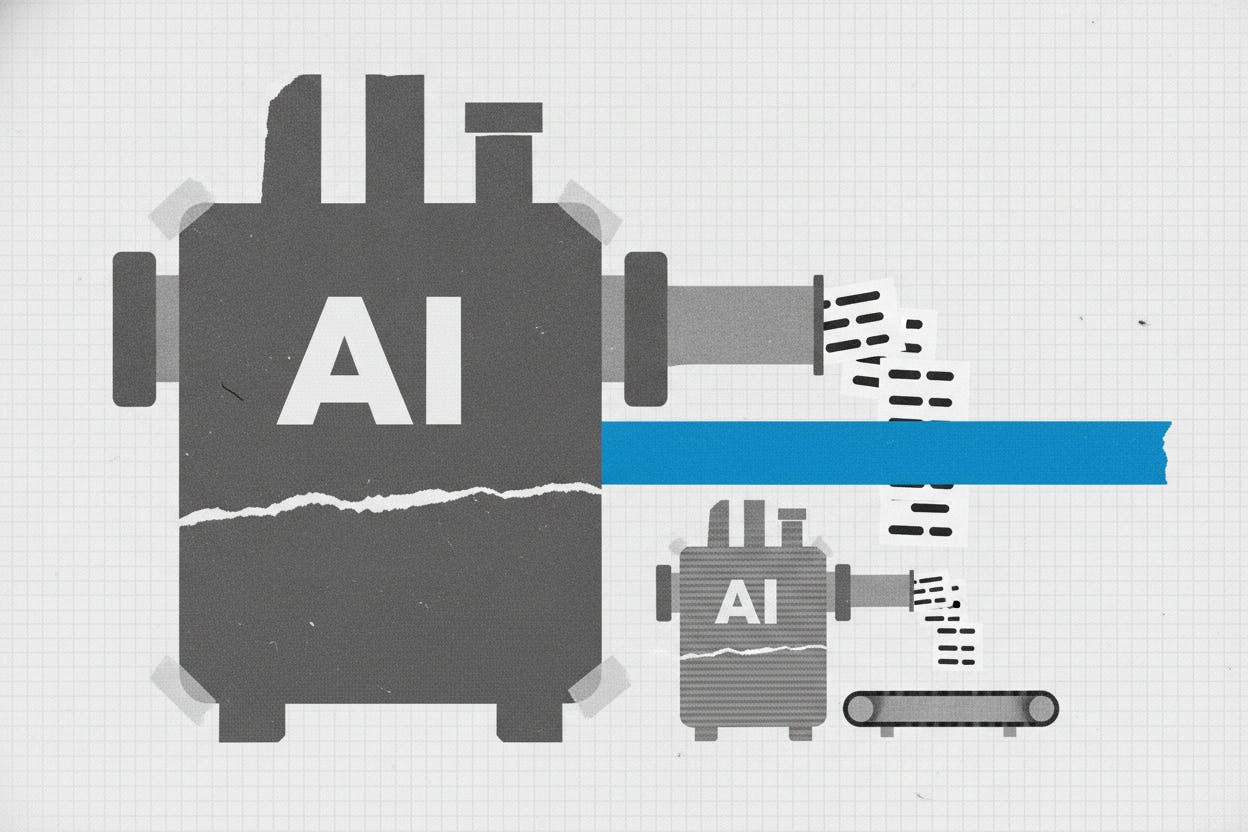
Distillation is a legitimate machine-learning technique where a powerful “teacher” model generates outputs that are used as training data for a smaller, cheaper “student” model. The student learns to mimic the teacher’s behavior, often achieving similar performance at a fraction of the cost. Sankar’s point is that if developers can harvest enough outputs from a frontier AI system once it is deployed, they may replicate much of its capability without paying the full cost of building from scratch.
What Distillation Means for AI Competition
The implications are significant. If distillation becomes widespread, top-end AI capabilities could feel more like a commodity over time. That would shift where profits sit: less in raw model quality and more in access control—such as rate limits, licensing, and closed deployments—and in things that are harder to copy, like proprietary data, distribution, and secure delivery.
For US AI providers that sell widely accessible model access, the risk is that lookalike models proliferate, putting pressure on pricing power and margins. The likely response is tighter control over outputs and greater emphasis on moats that do not travel well: owning unique data, embedding models into workflows, and meeting regulated buyers’ requirements with on-premises or sovereign deployments.
This dynamic is not entirely new. In other technology sectors, open access has sometimes enabled rapid copying by competitors. But the speed and scale of AI distillation could accelerate the cycle, making it harder for frontier developers to recoup their massive upfront investments.
France’s Tech Sovereignty Move
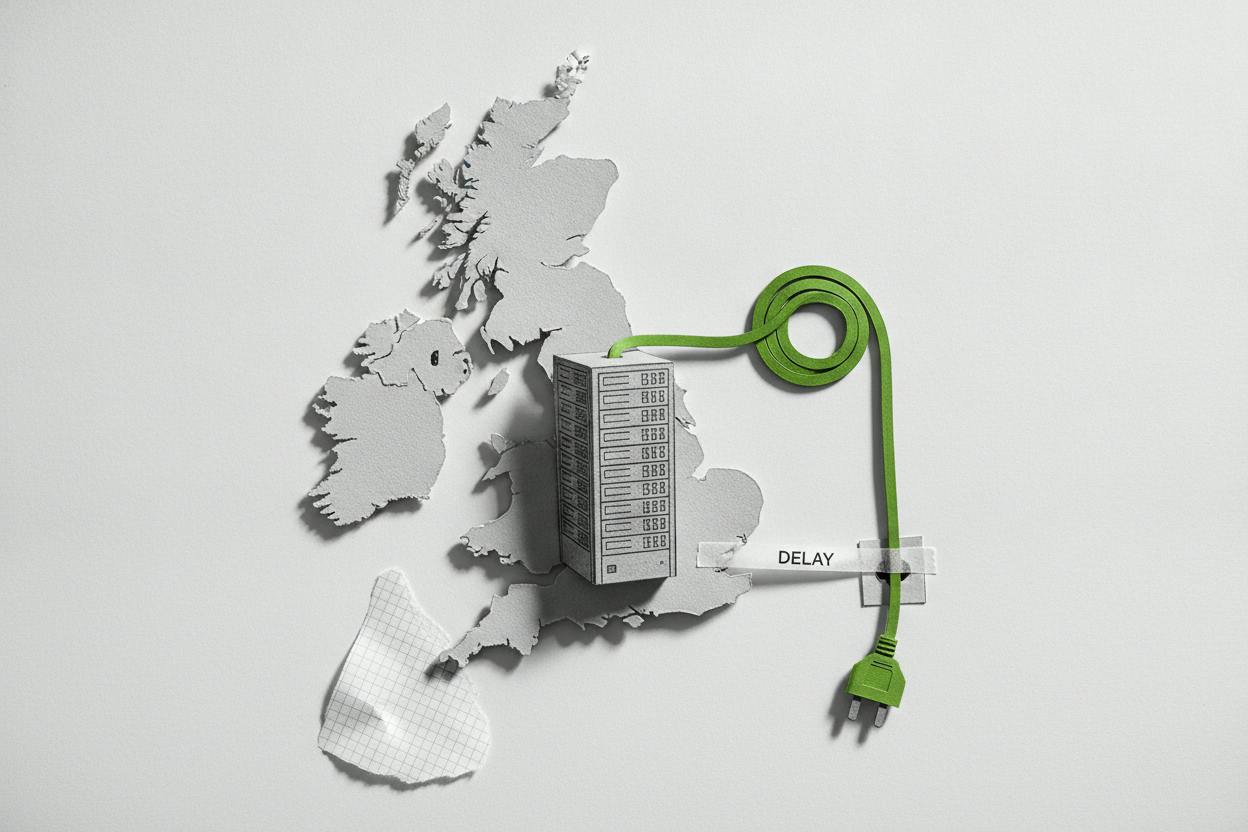
Sankar also commented on France’s decision to replace Palantir at its domestic intelligence agency with a local alternative. He said he understood the move, framing it as part of Europe’s broader push for “tech sovereignty,” where governments prefer domestically controlled systems.
This is a reminder that government procurement does not just reward the best product; it also rewards control, jurisdiction, and accountability. For investors, that means big public-sector contracts can redirect toward local vendors or partners, even if their technology is not as advanced. Companies like Palantir, which rely heavily on government deals, may face headwinds in markets where sovereignty concerns are rising.
France’s shift is part of a wider trend. Across Europe, policymakers are increasingly wary of relying on US or Chinese technology for sensitive applications. This could create opportunities for local AI firms but also fragment the global market for AI services.
What It Means for Investors
For everyday investors, the key takeaway is that the AI landscape is evolving in ways that could reshape competitive dynamics. If distillation attacks become common, the value in AI may shift from the models themselves to the ecosystems around them—data, distribution, and secure deployment.
Companies that rely on open, widely accessible models may see their pricing power erode. Meanwhile, firms with proprietary data sets or deep integration into customer workflows could be better insulated. The push for tech sovereignty also means that government contracts may become less predictable, favoring local players over global giants.
Broader economic trends in China add another layer. Recent data shows China's Q2 GDP growth slowed to 4.3%, the weakest in three years, as domestic woes persist. That economic backdrop could intensify China's push to catch up in AI, making distillation an attractive shortcut.
In the semiconductor space, ASML beat Q2 estimates as AI demand offset China uncertainty, highlighting the complex interplay between AI growth and geopolitical tensions. Meanwhile, Apple Intelligence cleared a China regulatory hurdle by tapping local AI models from Alibaba and Baidu, showing how global tech firms are adapting to local requirements.
For investors, the message is clear: the AI race is not just about who builds the best model. It is also about who controls access, who owns the data, and who can navigate the shifting landscape of national sovereignty. Distillation attacks are a reminder that in technology, copying is often faster than inventing—and that can change where the money flows.