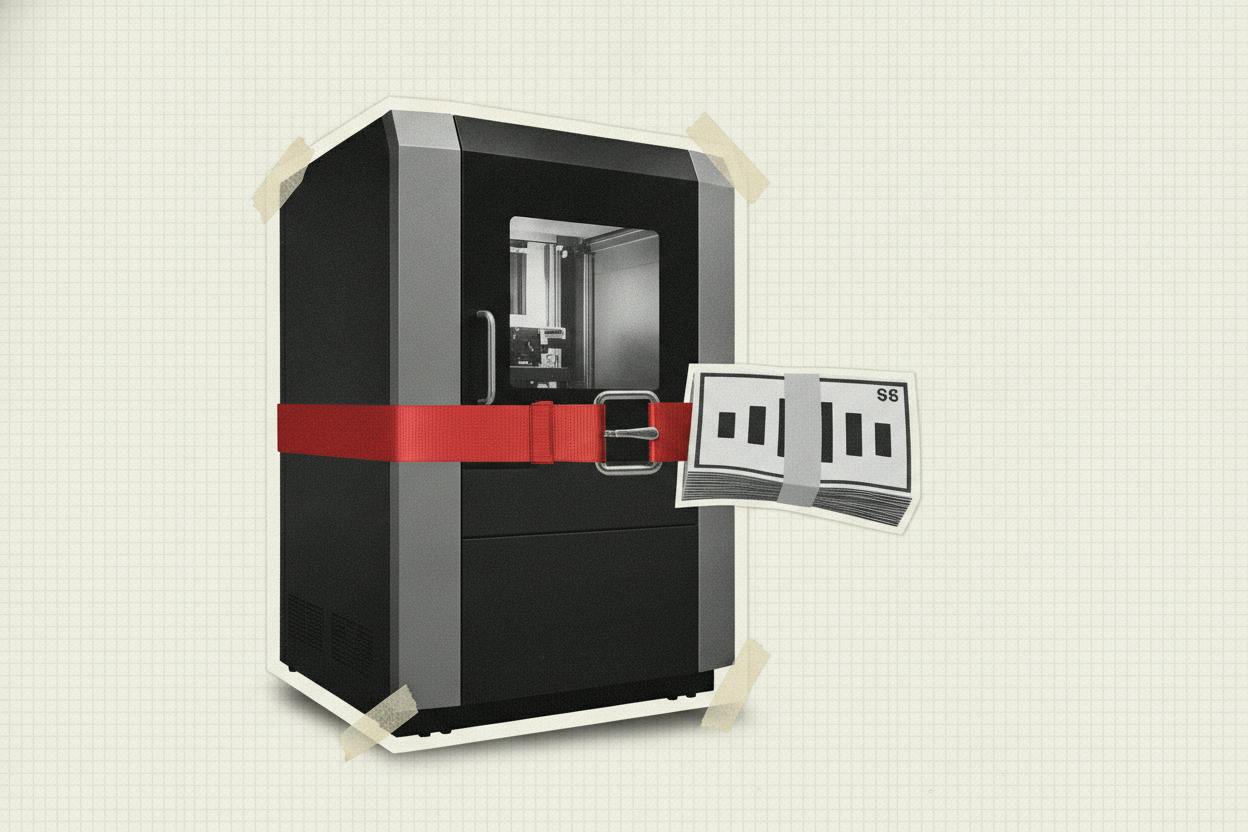
ASML, the Dutch company that dominates the market for advanced chipmaking equipment, has warned that shortages of its most sophisticated machines could persist through 2028. The company now expects demand for its extreme ultraviolet (EUV) lithography systems to outstrip supply in both 2027 and 2028, even after planned increases in production capacity.
EUV machines are the workhorses behind the most advanced semiconductors, used to etch microscopic patterns onto silicon wafers. Each system costs roughly $200 million, and ASML is effectively the only supplier in the world that makes them at scale. That makes the company a critical bottleneck for chipmakers like TSMC, Samsung, and Intel, who rely on these tools to produce the latest processors for smartphones, data centers, and artificial intelligence applications.
Why supply is falling short
Building an EUV machine is a complex, time-consuming process. The machines contain tens of thousands of parts, require extreme precision, and must be assembled and tested in cleanrooms that themselves take years to construct and certify. ASML has been expanding its factory footprint, but the pace of new capacity coming online is slow.
Management's updated outlook suggests that even with those expansions, the company will not be able to keep up with the surge in orders from chipmakers racing to meet AI-driven demand. The shortfall is not just about the machines themselves; it also reflects the broader challenge of scaling up a supply chain that includes specialized optics, lasers, and other components sourced from a limited number of suppliers.
For chipmakers, the implication is clear: if they cannot get the tools they need, their own production plans may slip. That could delay the launch of new chips, push up prices for advanced semiconductors, and potentially slow the pace of innovation in areas like AI and high-performance computing.
Investor concerns about AI spending
The warning comes at a time when investors are increasingly questioning whether the massive capital spending on AI infrastructure will deliver the returns they expect. Tech giants and cloud providers have been pouring billions into data centers and AI chips, but some analysts worry that the spending could outpace actual demand, leading to a correction.
ASML's announcement adds a new layer to that debate. On one hand, the supply shortage suggests that demand for advanced chips remains robust, which is a positive sign for the semiconductor industry. On the other hand, if chipmakers are forced to wait longer for equipment, their own revenue growth could be delayed, and the cost of building new fabs could rise.
The news also comes as ASML's valuation has cooled from its earlier highs. The stock has been a favorite among investors looking to play the AI boom, but recent volatility in tech shares has made some more cautious. The company's outlook may prompt investors to reassess how quickly the AI-driven demand will translate into actual earnings for equipment makers.
What it means for everyday investors
For ordinary investors, the key takeaway is that the AI boom is not just about software and cloud services—it depends on a complex physical supply chain. ASML's machines are a critical link in that chain, and any disruption can have ripple effects across the entire tech sector.
If you own shares in chipmakers or tech funds, the shortage could mean those companies face higher costs or delays in bringing new products to market. That might weigh on their short-term profits, even if the long-term outlook remains positive. Conversely, ASML itself could benefit from the scarcity of its machines, as it may be able to command higher prices or secure longer-term contracts.
It's also worth noting that the shortage is not just about AI. The same EUV machines are used to make chips for everything from smartphones to cars, so the impact could be felt across multiple industries. For investors, this is a reminder that even the most advanced technology depends on a fragile global supply chain.
As always, it's important to keep a long-term perspective. Supply shortages can be temporary, and companies often find ways to expand capacity over time. But for now, ASML's warning is a signal that the road to AI-driven growth may be bumpier than some hoped.