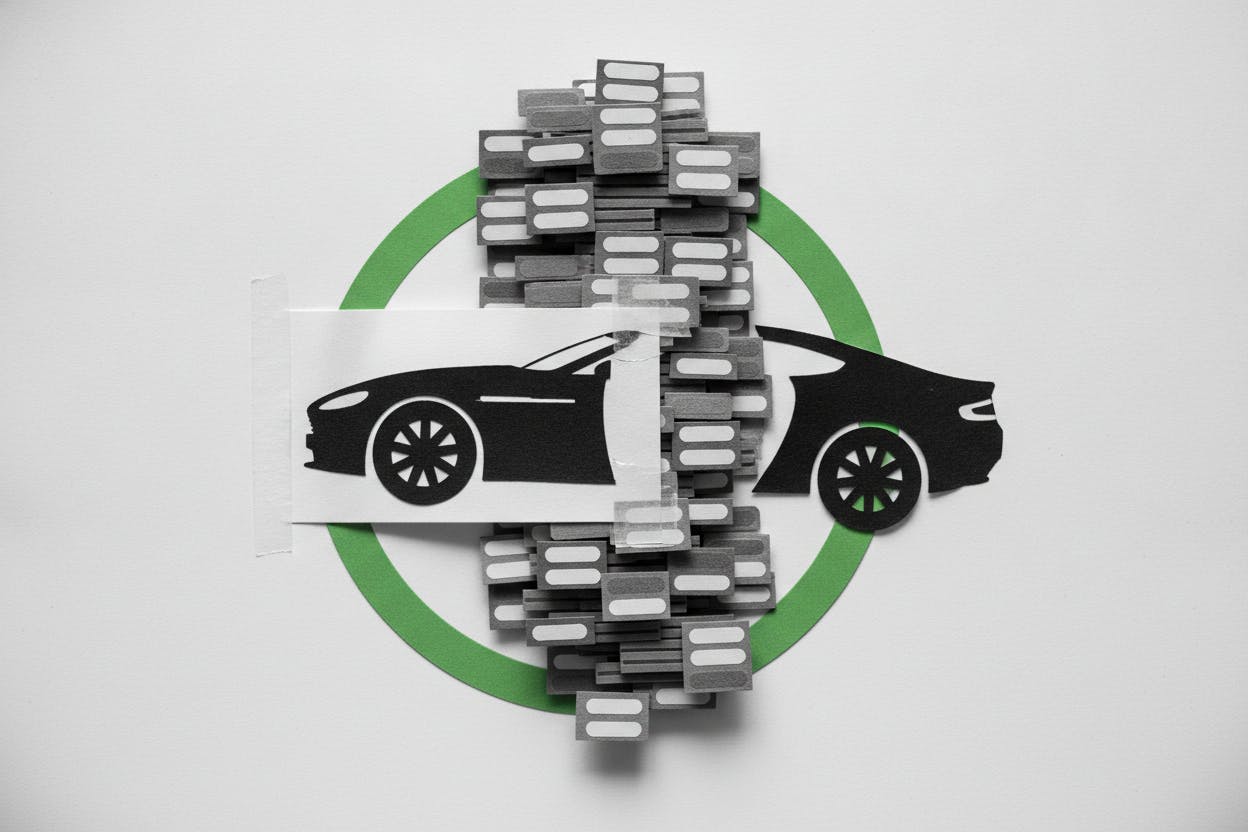
Aston Martin has confirmed it is in talks with potential financing providers to bolster its cash reserves, after reports emerged that the luxury carmaker is exploring a complex debt deal with a lender group that includes BlackRock-owned HPS Investment Partners.
The update, which follows a Bloomberg report cited by Reuters, signals that the iconic British brand is still burning through cash faster than it can generate it, despite a series of turnaround efforts and new model launches.
What Is a Drop-Down Deal?
The report suggests Aston Martin is discussing a so-called “drop-down” transaction. In corporate finance, a drop-down deal typically involves moving valuable assets—such as intellectual property, a subsidiary, or a key factory—into a separate legal entity. Fresh lenders can then lend against those assets, while existing creditors lose their claim on that collateral.
This structure can be a lifeline for cash-strapped companies, but it often comes with higher interest costs and stricter terms. For Aston Martin, it would mean accessing new debt without having to raise equity, which would dilute existing shareholders.
The involvement of HPS Investment Partners, a credit-focused firm owned by BlackRock, suggests the financing would be in the private credit market rather than traditional bank loans. Private credit has become a growing source of funding for companies that struggle to meet the criteria of mainstream lenders.
Why Aston Martin Needs the Cash
Aston Martin has been on a rocky road since its 2018 IPO. The company has repeatedly warned about cash burn as it invests heavily in new models, including its first plug-in hybrid and a fully electric vehicle due later this decade. High development costs, supply chain disruptions, and weaker demand in key markets like China have all weighed on profitability.
In its most recent trading update, the company reported a wider-than-expected operating loss and said it expects to burn through more cash in the first half of the year as it ramps up production of its new DB12 and Vantage models. The luxury carmaker has also faced headwinds from rising interest rates, which make financing more expensive for both the company and its customers.
The broader luxury sector has been under pressure, with many high-end brands reporting slower sales growth. As we noted in a recent article on FTSE 100 weakness, luxury stocks have been among the laggards as consumer confidence wavers.
What It Means for Investors
For everyday investors, the key takeaway is that Aston Martin is still in a precarious financial position. The company has a history of needing external funding—it has raised equity multiple times since its IPO, and its debt load remains high.
A drop-down deal could provide short-term relief, but it also increases the company’s overall debt burden and may lead to higher interest payments. That could eat into any future profits, making it harder for the company to deliver returns to shareholders.
Investors should also watch for any signs of equity dilution. If Aston Martin cannot secure enough debt financing, it may be forced to issue new shares, which would reduce the value of existing holdings.
The broader context matters too. The luxury car market is highly cyclical, and demand is sensitive to economic conditions. With central banks still keeping interest rates relatively high, financing costs for big-ticket items like sports cars remain elevated. That could continue to pressure Aston Martin’s sales and cash flow.
Meanwhile, the private credit market has been booming, as we saw in our coverage of Wall Street banks cashing in on AI infrastructure funding. But private credit loans often come with higher interest rates and less transparency than traditional bank debt, adding another layer of risk for the borrower.
What to Watch Next
Investors should keep an eye on Aston Martin’s next earnings report, expected later this year, for updates on cash flow, debt levels, and any new financing agreements. The company’s ability to generate positive free cash flow will be a key test of its turnaround strategy.
Also worth watching is the broader luxury sector. If demand weakens further, Aston Martin may find it harder to sell its high-priced vehicles, which would worsen its cash burn. On the other hand, a successful new model launch could boost revenue and ease pressure on the balance sheet.
For now, the news that Aston Martin is seeking fresh funding is a reminder that even iconic brands can struggle with cash flow. As always, investors should consider the risks before making any decisions.



