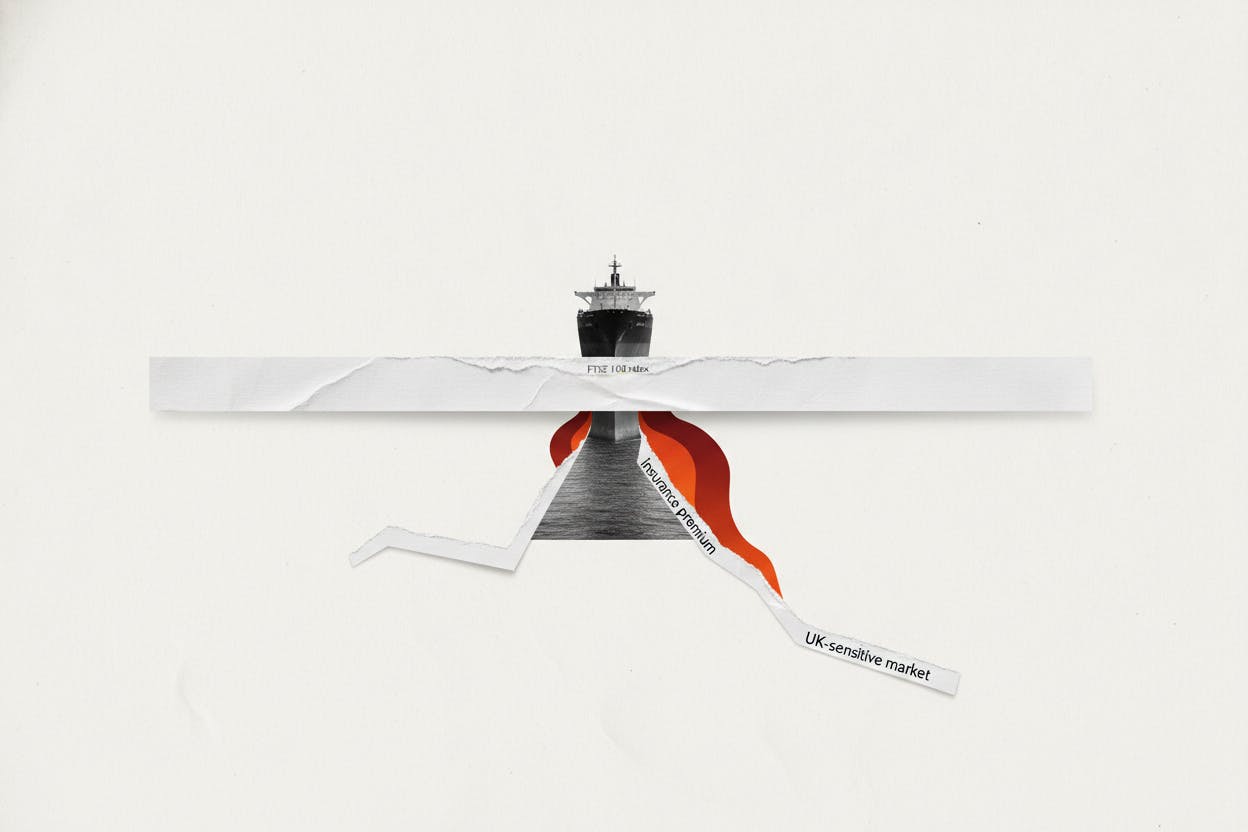
The FTSE 100 ended Friday nearly unchanged, as a split between sectors told the story of a market caught between geopolitical jitters and domestic economic concerns. Energy and utility stocks rose on worries about oil supply disruptions in the Strait of Hormuz, while banks and luxury retailer Burberry slid on signs of weaker tourism spending.
By mid-morning, the blue-chip index was up just 0.04%, while the more UK-focused FTSE 250 fell 0.4%, suggesting the day's moves were driven by global headlines and sector composition rather than improving confidence in the British economy.
Oil Jitters and Safe Havens
Crude prices jumped after reports that the United States had expanded strikes on Iran-linked targets and that Iran retaliated against US bases in the region. That kept investors focused on the risk that shipping through the Strait of Hormuz—a critical chokepoint for global oil supplies—could be disrupted.
Energy stocks, which benefit directly from higher crude prices, led the gainers. Utility companies also rose, as investors sought out defensive sectors that tend to hold up well during periods of uncertainty. These so-called 'safe and steady' stocks are often favored when geopolitical risks rise, because their earnings are less tied to the economic cycle.
The tensions also rippled across other markets. Dubai stocks hit a five-week low as Gulf markets were rattled by the escalation. In Asia, New Zealand stocks rose as investors weighed the same tensions against persistent inflation, while African markets were hit by the oil surge and a weaker rand.
Banks and Burberry Under Pressure
On the downside, banking stocks fell as investors worried that a slowdown in tourism spending could hurt economic activity and loan demand. Burberry, the luxury fashion house, also slid after data pointed to weaker spending by tourists, a key customer base for high-end retailers.
The luxury sector has been under scrutiny recently, with Italian police demanding supply-chain records from nine luxury brands amid a worker exploitation probe, adding to regulatory headwinds. Meanwhile, broader concerns about Chinese consumer demand—a major driver for luxury goods—have also weighed on the sector.
What It Means for Investors
For everyday investors, Friday's market action is a reminder of how quickly sector rotations can happen when geopolitical events unfold. Energy stocks can provide a hedge against oil price spikes, but they also carry risk if tensions ease and crude prices fall back. Defensive sectors like utilities can offer stability, but they typically offer lower long-term growth potential.
The divergence between the FTSE 100 and FTSE 250 also highlights the importance of looking beyond headline index moves. The FTSE 100 is heavily weighted toward multinational companies that earn much of their revenue overseas, so it can rise even when the domestic economy is struggling. The FTSE 250, by contrast, has more exposure to UK-focused businesses, making it a better barometer of local economic health.
Investors should also keep an eye on oil prices and Middle East developments in the coming days. If tensions escalate further, energy stocks could continue to outperform, but broader market volatility may increase. Conversely, any de-escalation could lead to a sharp reversal in oil-related gains.
For now, the FTSE 100's flat finish masks a market that is carefully weighing risks and opportunities. The key takeaway: geopolitical headlines can create winners and losers even when the overall index barely moves.



