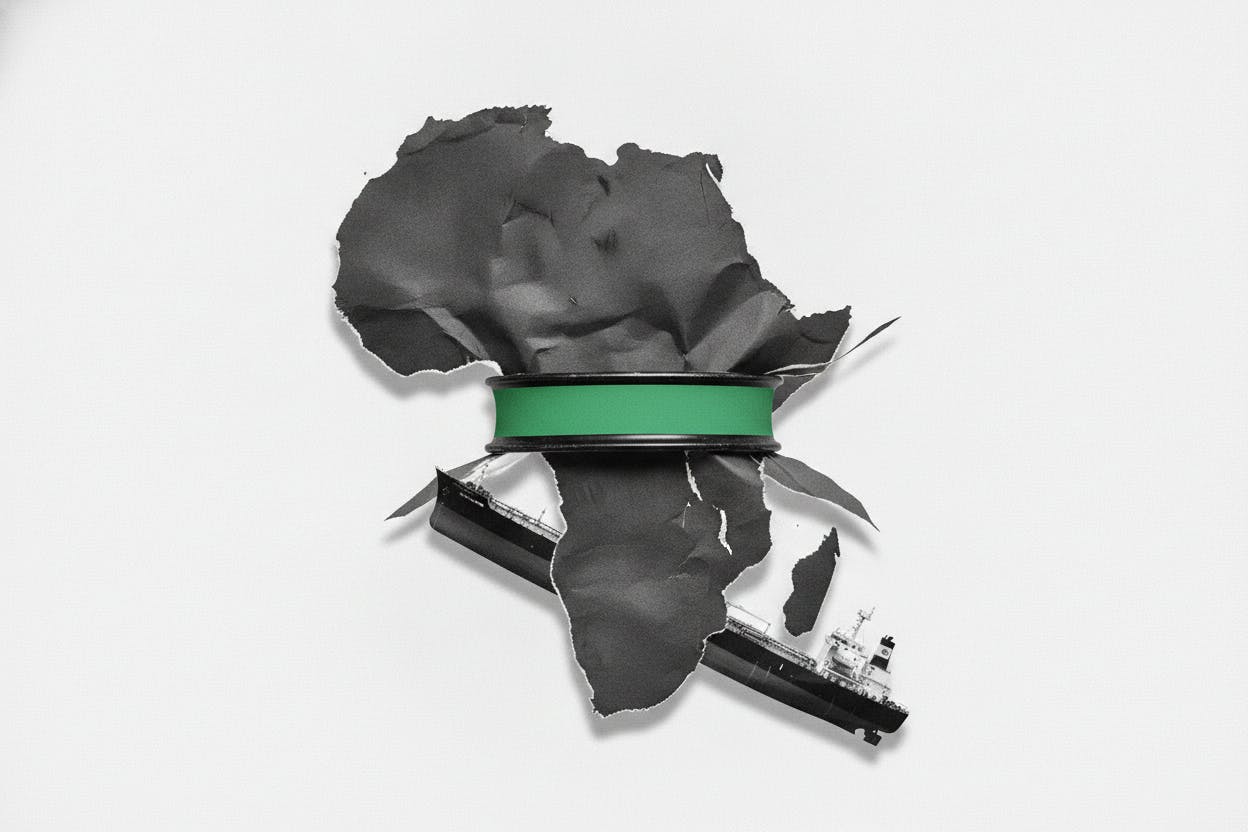
Oil prices have surged in their biggest weekly jump in three months, and the South African rand is sliding, as escalating Middle East tensions send shockwaves through African markets. The turmoil follows fresh clashes between the US and Iran, raising fears of disruptions in critical shipping lanes like the Strait of Hormuz, a key chokepoint for global oil supplies.
For everyday investors, this means heightened volatility in currencies and stocks across the continent, with oil-importing nations like Ghana and Zambia facing particular strain. The weaker rand, a bellwether for emerging-market sentiment, is amplifying the pressure.
What's Driving the Sell-Off?
The immediate trigger is the sharpest weekly rise in oil prices in three months, driven by fears that US-Iran hostilities could disrupt tanker traffic through the Strait of Hormuz. About 20% of the world's oil passes through this narrow waterway, and any disruption can send prices soaring. This week, crude benchmarks have climbed above $85 a barrel, a level that historically strains economies heavily reliant on imported fuel.
The South African rand, often seen as a proxy for broader African risk, has weakened significantly against the US dollar. A weaker rand makes imports more expensive for South Africa and can fuel inflation, but it also signals that global investors are pulling money out of riskier assets. This trend is echoing across the continent, with currencies in Ghana and Zambia under watch as traders assess their vulnerability to higher energy costs and a stronger dollar.
Related: Latin American Markets Dip as Oil Tops $85 and US Dollar Strengthens
Pressure Points: Ghana and Zambia
Ghana and Zambia are among the most exposed African economies to this oil shock. Both countries are net oil importers, meaning every dollar increase in crude prices widens their trade deficits and puts pressure on their currencies. Ghana's cedi has already been under strain due to high debt levels and inflation, while Zambia is still recovering from a debt restructuring after its 2020 default.
Higher oil prices also raise the cost of fuel subsidies or force governments to pass on costs to consumers, which can stoke inflation and slow economic growth. For investors holding bonds or stocks in these markets, the risk of currency depreciation and higher borrowing costs is rising.
Related: Gulf Stocks Slide as Strait of Hormuz Shipping Disruption Rattles Markets
What It Means for Investors
For everyday investors, this story is a reminder of how geopolitical events in one region can ripple through global markets and hit local portfolios. If you have exposure to African equities or currencies through exchange-traded funds (ETFs) or mutual funds, the current environment suggests higher volatility ahead.
The key factors to watch are oil prices and the US dollar. If tensions in the Middle East escalate further, oil could climb higher, putting more pressure on African currencies. Conversely, a de-escalation could bring relief. The South African rand's direction will also be a tell: if it continues to weaken, it may signal broader emerging-market stress.
Investors should also keep an eye on central bank responses. Higher oil prices and weaker currencies could force central banks in countries like Ghana and Zambia to raise interest rates to defend their currencies, which would slow economic activity further. In South Africa, the Reserve Bank may hold rates steady to avoid adding to inflation pressures.
Related: Asian Markets Diverge as Oil Breaks $85 and Chip Stocks Slide
The Bigger Picture
This week's oil spike is part of a broader pattern of geopolitical risk that has been unsettling markets globally. The Strait of Hormuz has been a flashpoint before, and any disruption there tends to hit emerging markets hardest because they have less capacity to absorb higher energy costs. African economies, many of which are still recovering from the pandemic and high debt, are particularly vulnerable.
For now, traders are watching pressure points from Ghana to Zambia, but the impact could spread to other oil-importing nations across the continent. The situation underscores the importance of diversification for investors: having exposure to different asset classes and regions can help cushion against such shocks.
Related: FTSE 100 Dips 0.2% as Iran Strait Warning Rattles Markets; Rotork Soars on $5.5B Deal



