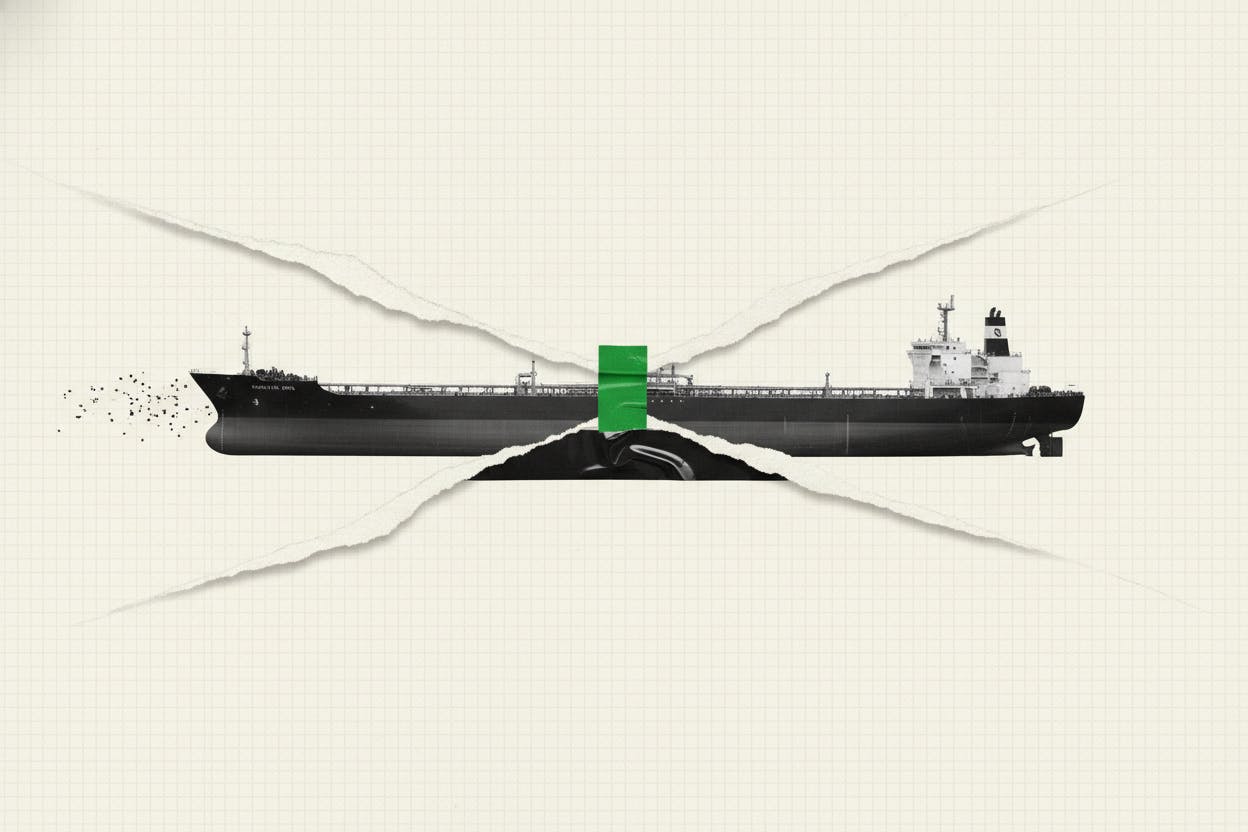
Stock markets in the United Arab Emirates slipped on Monday as escalating US-Iran tensions disrupted shipping through the Strait of Hormuz, a critical chokepoint for global oil supplies. The decline came as RBC Capital Markets reported a sharp drop in the seven-day average flow of exports through the strait, and the International Maritime Organization (IMO) warned that the waterway is currently too dangerous for commercial vessels to cross.
What's happening in the Strait of Hormuz?
The Strait of Hormuz, a narrow waterway between Iran and Oman, is one of the world's most important oil transit routes. Roughly 20% of global oil consumption passes through it daily. When geopolitical tensions rise—as they have amid recent US-Iran military confrontations—shipping becomes riskier and less predictable.
RBC Capital Markets, an investment bank, said the seven-day average flow of exports through the strait fell from about 4.6 million barrels per day to roughly 3.9 million barrels per day. That's a decline of more than 15% in just one week. Separately, the IMO, a United Nations agency that oversees maritime safety, issued a warning that the strait is currently too dangerous for commercial vessels to cross.
When such warnings emerge, insurers typically raise premiums for so-called "war-risk" coverage. Some tanker operators reroute their vessels to avoid the area, while others simply stay away. This reduces the available shipping capacity and makes each barrel of oil that does get delivered more expensive and less predictable.
How this affects oil markets and Gulf stocks
The immediate impact is not just on crude prices but on the physical movement of oil. Even if global oil benchmarks like Brent crude hold steady, the logistics shock can create short-term price swings and widen the "regional risk premium" that investors demand to hold Gulf equities.
That premium showed up in softer UAE benchmarks. The FTSE ADX General Index in Abu Dhabi and the DFM General Index in Dubai both fell as investors priced in higher uncertainty. The knock-on effect can also lift near-term oil volatility, as traders weigh the real risk of a prolonged disruption. For more on how such tensions have rattled broader markets, see our earlier coverage of FTSE 100 Dips 0.2% as Iran Strait Warning Rattles Markets.
RBC's 3.9 million barrels-per-day reading is a risk-premium hit for UAE stocks. A slide in seven-day average flows, combined with the IMO's safety warning, signals a logistics shock that markets cannot hedge with oil exposure alone. If freight rates and insurance costs jump, energy exporters may still sell crude, but buyers face higher all-in costs and more delivery uncertainty.
What it means for everyday investors
For investors with exposure to Gulf equities—whether through exchange-traded funds (ETFs) or individual stocks—this development adds a layer of risk that goes beyond oil prices. The uncertainty tends to weigh on broad indexes even in weeks when headline crude prices look steady.
Investors should also watch for ripple effects in other markets. Higher oil volatility can influence inflation expectations and central bank policy decisions. For example, a sustained oil price surge could keep pressure on the Federal Reserve to maintain higher interest rates, which in turn affects everything from bond yields to stock valuations. For context on how oil price jitters have clashed with other market themes, see European Stocks Stall as AI Optimism Clashes with Oil Price Jitters.
Meanwhile, the broader emerging markets landscape has been mixed. Some Asian markets have diverged as oil breaks key levels, while chip stocks have slid despite strong earnings from major players like TSMC. For a broader view, check Asian Markets Diverge as Oil Breaks $85 and Chip Stocks Slide.
What to watch next
Investors will be watching for any diplomatic developments that could de-escalate tensions, as well as weekly oil inventory data from the US Energy Information Administration (EIA) to gauge whether the disruption is affecting actual supply levels. Also on the radar: any further warnings from the IMO or other shipping agencies, and changes in war-risk insurance premiums that could signal whether the situation is worsening or stabilizing.
For now, the message from the Strait of Hormuz is clear: the risk of a major supply disruption is real, and markets are pricing it in. As one analyst put it, the region's assets are now carrying a discount that reflects not just oil price uncertainty, but the physical difficulty of moving oil from point A to point B.



