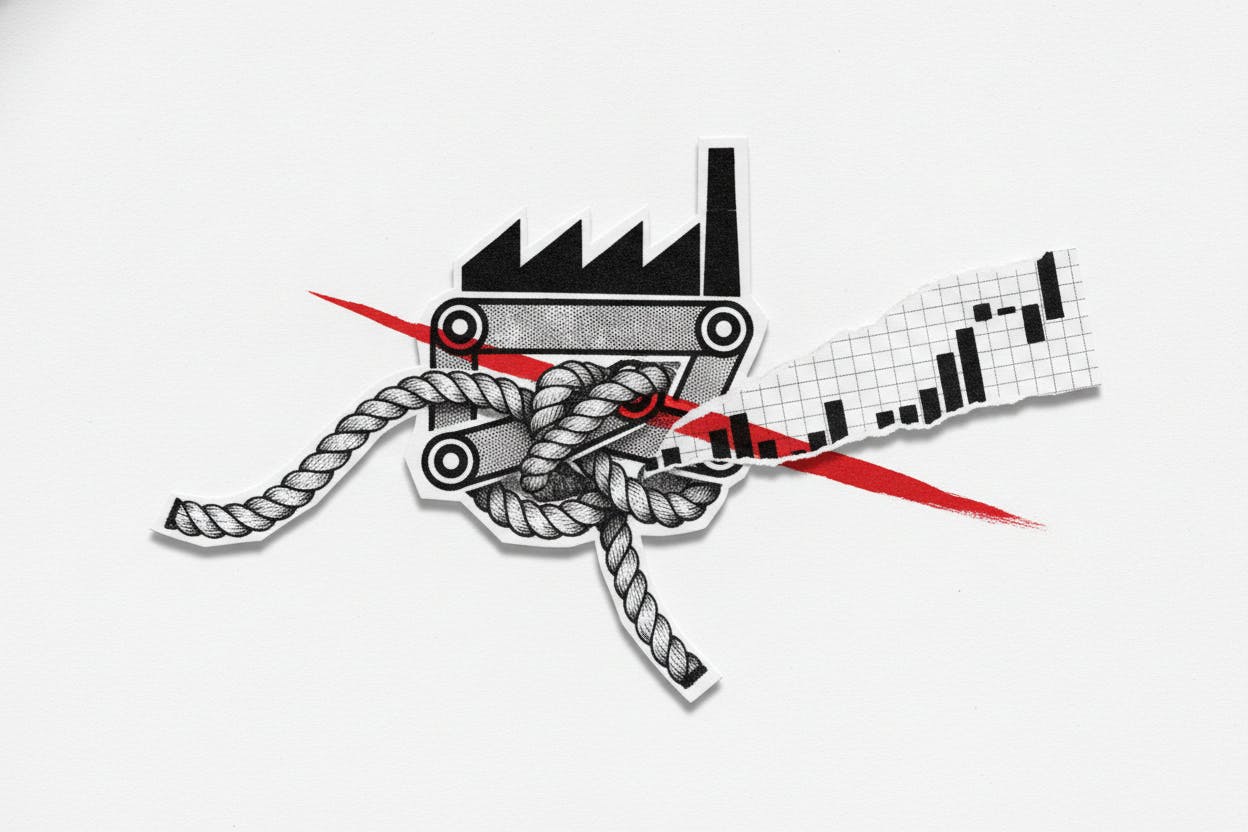
Hedge funds ramped up their bets against manufacturing stocks in June, as geopolitical tensions near the Strait of Hormuz revived fears of supply-chain disruptions and higher costs for shipping and raw materials. The shift was revealed in data from Hazeltree, a portfolio management platform, cited by Reuters.
Hazeltree's dataset, which aggregates activity from 600 asset managers across roughly 16,000 global stocks, showed that manufacturing was the most-shorted sector in June. The number of top short targets in the industry also increased compared to May, with notable names including Canadian Solar, Toyota, and Puma.
Why the Strait of Hormuz Matters
The Strait of Hormuz is a narrow waterway between the Persian Gulf and the Gulf of Oman, through which about 20% of the world's oil passes. Any disruption there—whether from military conflict, piracy, or political instability—can quickly raise shipping costs and delay deliveries of oil and other goods. For manufacturers, higher shipping costs eat into profit margins, while delays can force production slowdowns.
In June, renewed tensions in the region—including reports of increased naval activity and threats to commercial vessels—prompted hedge funds to bet that manufacturers would be hit hardest. Short selling, or betting that a stock's price will fall, is a common hedge fund strategy when they expect bad news for a company or sector.
What the Data Shows
Hazeltree's data, which tracks short interest across a broad universe of stocks, indicated that manufacturing stocks saw a notable increase in short positions during June. The sector overtook others like technology or energy as the most-shorted, a sign that hedge funds see particular vulnerability there.
Among the specific targets: Canadian Solar, a solar panel manufacturer; Toyota, the Japanese auto giant; and Puma, the German sportswear company. While these companies operate in different markets, they all rely on global supply chains that could be disrupted by a Strait of Hormuz crisis.
This trend aligns with broader market concerns. In recent months, investors have been watching for signs that geopolitical risks could reignite inflation by pushing up input costs. The U.S. budget deficit and ongoing trade tensions have also added to uncertainty.
What It Means for Everyday Investors
For ordinary investors, this hedge fund activity is a signal worth noting—but not necessarily a reason to panic. Hedge funds often take short positions as a hedge against broader market risks, not just as a pure bet on a company's failure. Still, when a sector becomes the most-shorted, it suggests that professional money managers see headwinds ahead.
Manufacturing stocks, particularly those with heavy exposure to global shipping, could face pressure if the Strait of Hormuz situation worsens. That might mean higher costs for companies that import raw materials or export finished goods, which could in turn hurt earnings and stock prices.
However, it's important to remember that short positions can be reversed quickly if conditions improve. A diplomatic resolution or a drop in oil prices could lead hedge funds to cover their shorts, potentially driving manufacturing stocks higher.
For investors with diversified portfolios, the key takeaway is to stay informed about geopolitical risks and how they might affect specific sectors. If you own shares in companies like Toyota or Canadian Solar, it's worth monitoring news from the Middle East and any updates on shipping costs.
Broader Context: Hedge Fund Strategies
Hedge funds have been active in other areas as well. In June, some trend-following hedge funds saw flat returns as gains in gold offset losses in oil and coffee, as we covered in Trend-Following Hedge Funds Flat in June. Meanwhile, other funds have been exploring options strategies to hedge against falling prices, such as CoreWeave's use of put options, detailed in CoreWeave Explores Put Options.
The manufacturing shorting trend also comes amid a broader shift in hedge fund positioning. Earlier this year, funds swung bullish on commodities like wheat, as reported in Hedge Funds Swing to Bullish on Euronext Wheat. But the June data suggests a more cautious stance on industrial production.
Looking Ahead
Investors will be watching for any escalation or de-escalation in the Strait of Hormuz region. If tensions ease, manufacturing stocks could rebound quickly. If they worsen, the short bets may pay off for hedge funds, but ordinary investors should brace for potential volatility in the sector.
As always, a long-term perspective and diversification remain the best defenses against short-term geopolitical shocks.



