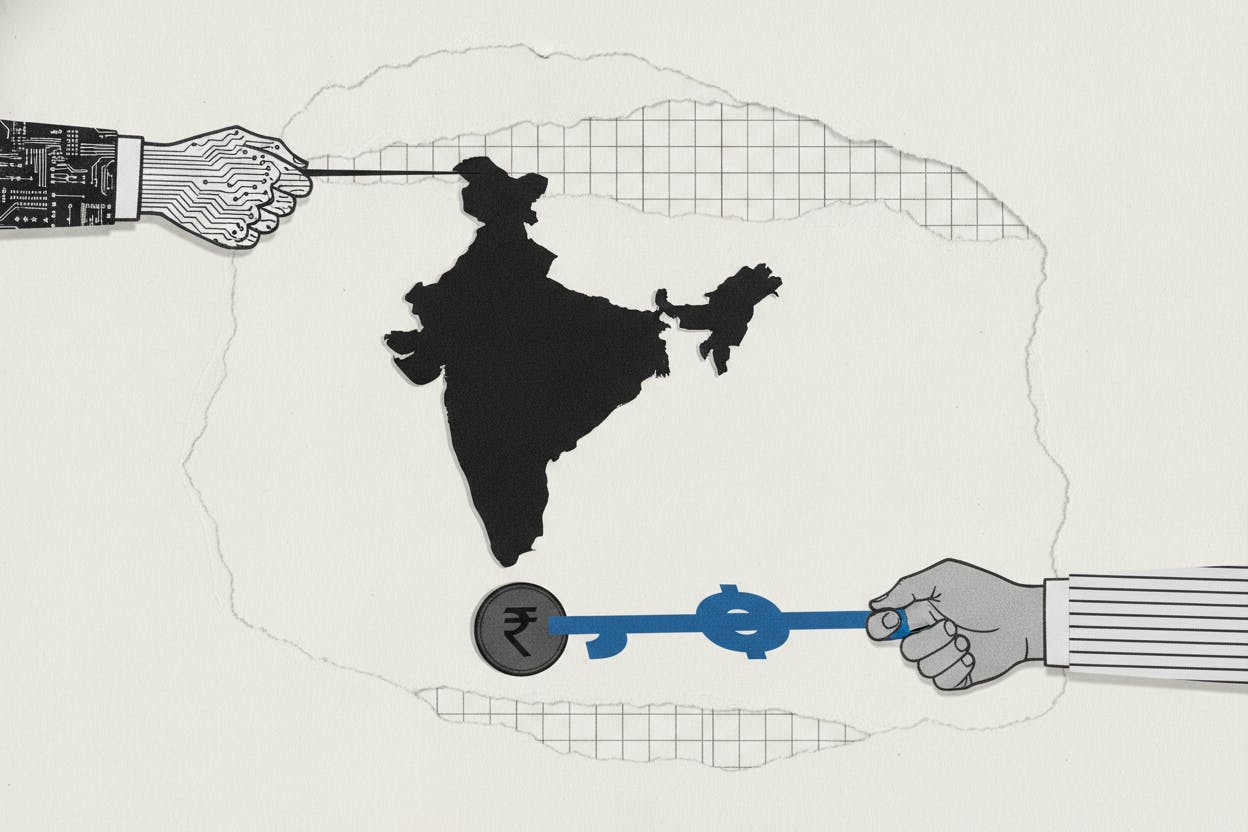
India's stock market benchmarks ended a quiet session on July 16 with little net change, as a rebound in information technology shares helped neutralize a slide in banking stocks. The Sensex hovered around 77,186 and the Nifty 50 near 24,073, according to Reuters, leaving the indexes essentially flat on the day.
Meanwhile, the Indian rupee weakened to 96.345 per US dollar, pressured by dollar demand linked to maturing non-deliverable forward (NDF) contracts. NDFs are derivative instruments used to hedge currency exposure in markets where the currency is not freely convertible; when they mature, they can create temporary demand for dollars.
IT Rebounds, Banks Slip
The tug-of-war between sectors was the dominant theme. IT stocks, which had been under pressure in recent sessions, bounced back as investors saw value in the beaten-down names. The recovery in tech shares helped keep the broader market afloat.
On the other side, banking stocks declined after a round of earnings reports disappointed some market participants. Lenders, which had been a key driver of the market's earlier rally, gave back some gains as investors digested quarterly results. The weakness in banks was enough to offset the IT gains, leaving the benchmarks stuck in a narrow range.
The mixed performance echoes a pattern seen in other markets. As we reported in Big US Banks Post Strong Quarter as Deal Fees Hit Highest Since 2021, major American lenders have fared better, but Indian banks face their own set of domestic pressures.
Rupee Under Pressure from NDF Flows
The currency market told a clearer story. The rupee's dip to 96.345 per dollar was driven by dollar demand from maturing NDF contracts, a technical factor that can cause short-term volatility. NDFs are commonly used by foreign investors and corporations to hedge rupee exposure without trading the currency onshore. When these contracts mature, they often require dollar settlements, creating a temporary bid for the greenback.
The rupee's movement also reflects broader emerging-market dynamics. As we covered in Emerging Markets Split: Chip Rout Hits Stocks, Currencies Steady on Dollar Weakness, currency markets have been relatively stable recently, but India's rupee remains sensitive to global dollar flows and domestic trade deficits.
What It Means for Investors
For everyday investors, a flat day on the Sensex or Nifty can mask significant sector-level action. The divergence between IT and banking stocks highlights the importance of diversification. When one sector stumbles, another can pick up the slack—but that doesn't mean the overall market goes anywhere.
The rupee's weakness is a reminder that currency moves can impact portfolios, especially for those holding international assets or investing in companies with foreign-currency debt. A weaker rupee makes imports more expensive, which can squeeze margins for companies that rely on imported raw materials. Conversely, export-oriented sectors like IT and pharmaceuticals can benefit from a weaker rupee, as their revenues in dollars translate into more rupees.
Investors should also watch for follow-through on the NDF-related dollar demand. Once the contracts mature, the pressure on the rupee could ease, but broader factors like oil prices and global risk appetite will continue to influence the currency. As we noted in Indian Stocks Edge Up as IT Rebounds; Oil Stays Near $85 on Iran Strikes, oil prices remain elevated, which adds to India's import bill and can weigh on the rupee.
Looking Ahead
The market's next focus will be on corporate earnings, which are driving sector-level moves. Banking earnings, in particular, will be scrutinized for signs of margin pressure or loan growth. IT companies, meanwhile, will need to show that their rebound is sustainable and not just a short-term bounce.
On the macro front, the rupee's trajectory will depend on the Reserve Bank of India's actions and global dollar trends. The RBI has been intervening in the currency market to smooth volatility, but it cannot fully offset structural demand for dollars.
For now, the Indian market remains in a holding pattern, with sector rotation keeping the benchmarks range-bound. Investors should stay focused on the fundamentals of their holdings rather than trying to time the next big move.



