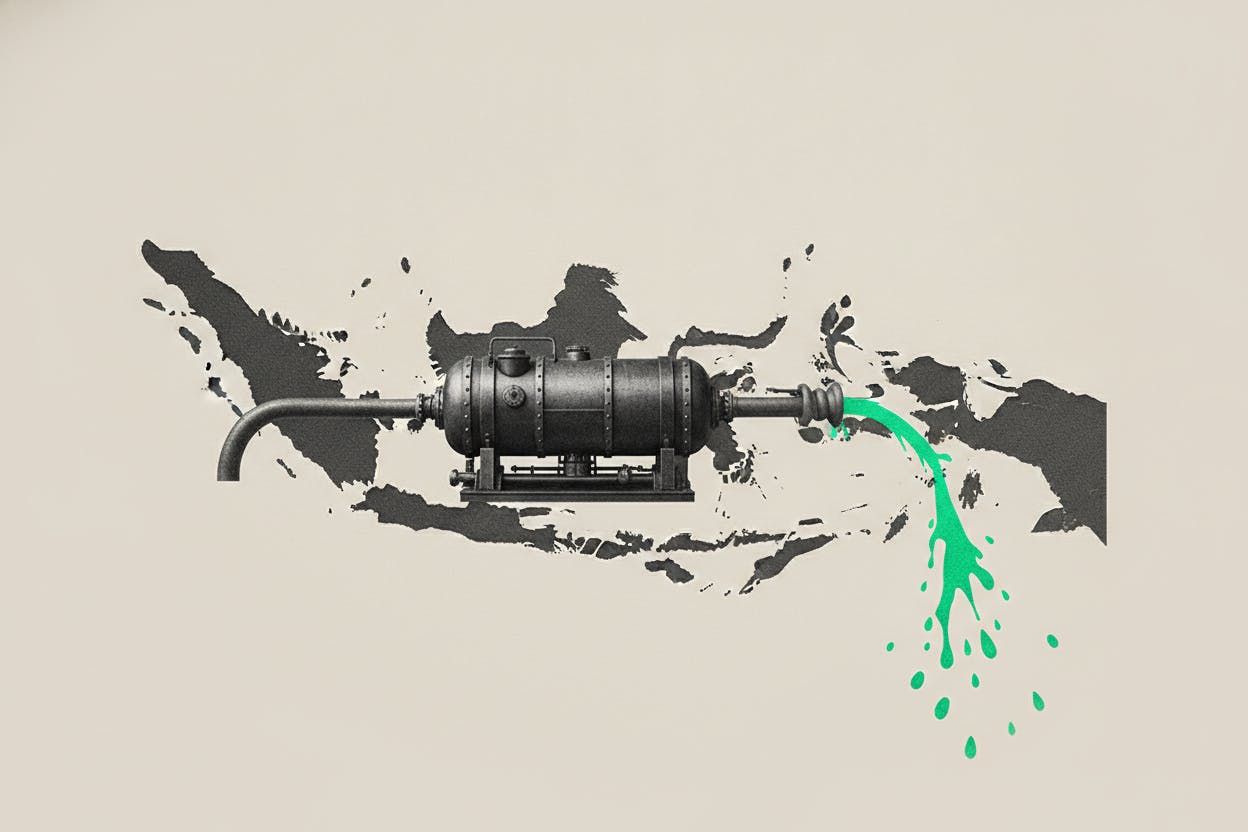
Nickel prices surged on the London Metal Exchange (LME) Tuesday, as traders shifted focus from demand concerns to rising production costs tied to geopolitical tensions in the Middle East. Three-month nickel rose 3.3% to $17,350 a metric ton, driven by fears that disruptions in the Strait of Hormuz could choke off supplies of sulfur, a critical input for Indonesia's high-pressure acid leaching (HPAL) nickel operations.
Why Sulfur Matters for Nickel
Sulfur is a key ingredient in the production of sulfuric acid, which is used in HPAL—a chemical process that extracts nickel from lower-grade laterite ore. Indonesia, the world's largest nickel producer, relies heavily on this method to process its vast reserves. According to industry estimates, about 75% of the sulfur used in Indonesia's HPAL operations comes from the Middle East, much of it shipped through the Strait of Hormuz.
The strait, a narrow waterway between Iran and Oman, is a critical chokepoint for global energy and commodity flows. Recent shipping disruptions and heightened military activity in the region have raised the risk of supply interruptions. For nickel producers, any disruption to sulfur shipments could force them to source alternative supplies at higher prices or cut production, pushing up costs across the board.
Market Reaction and Broader Context
The 3.3% jump in nickel prices stands out in a week where many industrial metals have been under pressure from weak demand signals, particularly from China. The move underscores how supply-side risks can quickly overshadow demand concerns in commodity markets. Traders are now closely watching sulfur prices and shipping data for signs of actual shortages.
This is not the first time the Strait of Hormuz has rattled nickel markets. Earlier this month, nickel rallied nearly 2% on similar fears. The repeated price spikes highlight the vulnerability of Indonesia's nickel supply chain to geopolitical shocks. While Indonesia has diversified its sulfur sources in recent years, the Middle East remains the dominant supplier for HPAL-grade sulfur.
The broader market is also feeling the heat from Hormuz tensions. Oil prices have climbed as traders weigh the risk of a prolonged disruption, and hedge funds have been betting against manufacturers on fears that higher energy and input costs will squeeze margins.
What It Means for Investors
For everyday investors, the nickel price move is a reminder that commodity markets can be highly sensitive to geopolitical events, even when the direct link seems obscure. The connection between a shipping chokepoint in the Middle East and a nickel mine in Indonesia is a good example of how global supply chains create unexpected dependencies.
Investors with exposure to nickel—whether through mining stocks, exchange-traded funds (ETFs), or futures—should watch sulfur costs and shipping routes as key indicators. If disruptions persist, higher production costs could eat into profits for HPAL-focused producers, while miners using other methods might benefit from higher nickel prices. Conversely, a quick resolution to tensions could see prices retreat just as fast.
It's also worth noting that the LME nickel contract has been volatile since the 2022 short squeeze that briefly sent prices above $100,000 a ton. While the current move is far smaller, it shows that nickel remains a market prone to sharp swings.
Looking Ahead
Traders will be watching for any diplomatic developments in the Middle East, as well as weekly shipping data through the Strait of Hormuz. On the demand side, China's economic data and stimulus measures will remain a key driver for nickel prices over the medium term. For now, the focus is squarely on supply risks—and sulfur is the new variable to track.