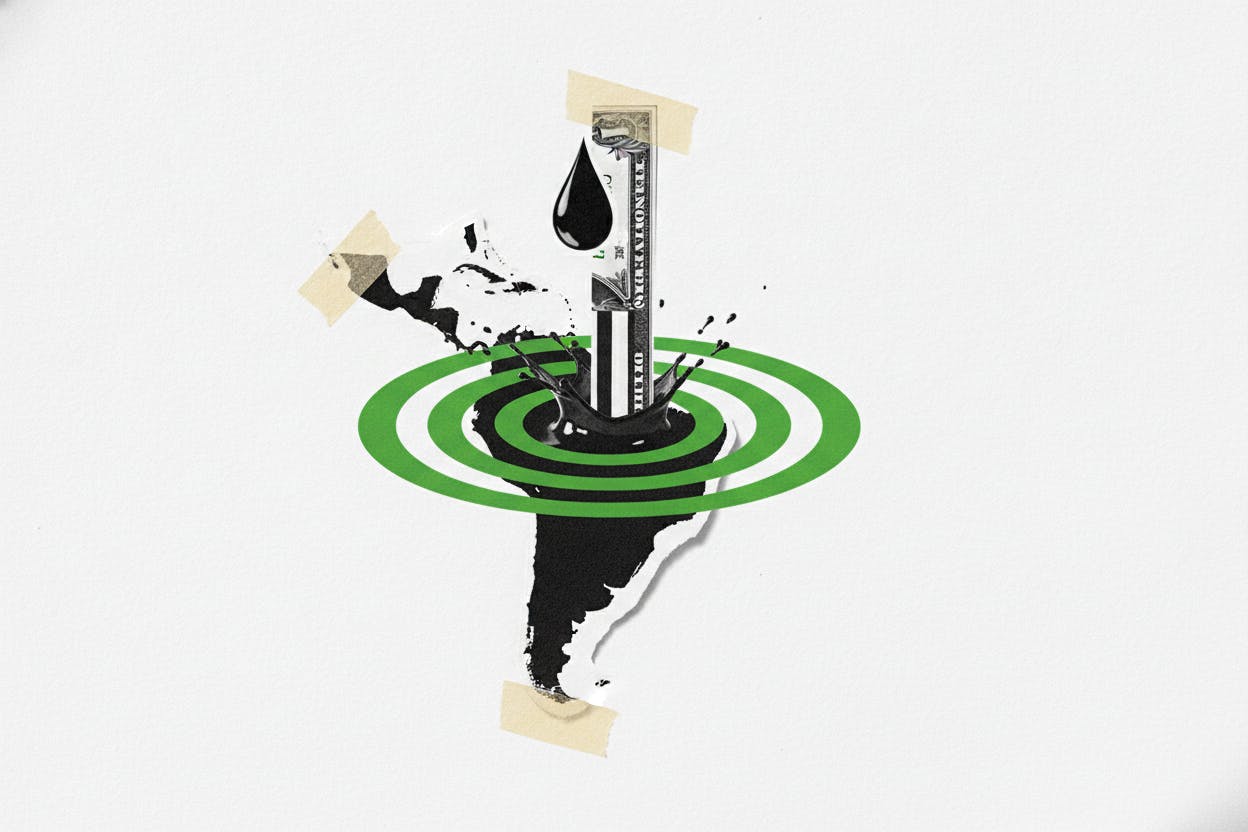
Latin American financial markets turned cautious on Tuesday as a rise in oil prices and a stronger US dollar weighed on regional stocks and currencies. The MSCI Latin American stock index fell 0.7%, while the MSCI Latin American currencies index dropped 0.4%, reflecting a broad pullback in investor appetite for the region's assets.
Brent crude, the international benchmark, traded above $85 a barrel after fresh headlines about supply risks in the Middle East. The move comes amid ongoing tensions that have kept energy markets on edge. For Latin America, higher oil prices are a double-edged sword: while some countries in the region are oil exporters, many are net importers, meaning more expensive fuel can feed into higher inflation and strain trade balances.
At the same time, the US dollar index rose after June retail sales data came in slightly stronger than expected. A firmer greenback makes dollar-denominated trade and borrowing more expensive for countries and companies that rely on it, adding pressure on emerging-market currencies and assets.
Brazil and Mexico Feel the Squeeze
Brazil's real fell 0.5% against the dollar, making it one of the worst-performing currencies in the region on the day. The move came as the US announced 25% tariffs on many Brazilian imports, though the list of exemptions was wider than expected, offering some relief. Still, the combination of a stronger dollar and trade uncertainty weighed on sentiment.
Mexico's peso also weakened, dropping 0.4%, but the country's stock market held up better. The Office of the US Trade Representative said trade talks with Mexico were progressing and that negotiators were expected to meet again next week. That news helped limit losses in Mexican equities, even as the currency came under pressure.
The broader backdrop for Latin American markets remains tied to global factors. When oil prices rise and the dollar strengthens at the same time, investors tend to worry about two things: pricier imported fuel can keep inflation sticky, and a stronger greenback raises the local-currency cost of paying for trade and servicing dollar debt. That usually leads markets to demand a higher "risk premium" – essentially extra return for taking on more uncertainty – to hold local-currency bonds and stocks.
What It Means for Investors
For everyday investors, the day's moves highlight how external forces can quickly affect emerging-market assets. The pressure often hits currencies first, as seen in the MSCI regional currency gauge's 0.4% decline. If exchange rates keep sliding, it can weigh on local equities too, because a weaker currency can tighten financial conditions and reduce US-dollar returns for overseas investors.
The rise in oil prices also has broader implications. Brent crude above $85 a barrel has already rattled markets in other regions, as seen in Asian markets and Gulf stocks. For Latin America, the impact is more direct because many countries are large importers of fuel. Higher energy costs can squeeze corporate margins and reduce consumer spending power, which in turn can slow economic growth.
Meanwhile, the stronger US dollar adds another layer of complexity. The greenback has been supported by resilient US economic data, including the latest retail sales figures. A stronger dollar makes dollar-denominated debt more expensive to service for countries and companies that borrowed in dollars, which is common in emerging markets. That can lead to higher borrowing costs and tighter financial conditions.
Investors will be watching for further developments in trade talks between the US and Mexico, as well as any new headlines on Middle East supply risks that could push oil prices even higher. The path of the US dollar will also remain a key factor, with upcoming economic data and Federal Reserve commentary likely to influence its direction.
For now, the message from Latin American markets is clear: when oil and the dollar both rise, caution tends to follow. The region's currencies and stocks are likely to remain sensitive to these global forces in the days ahead.



