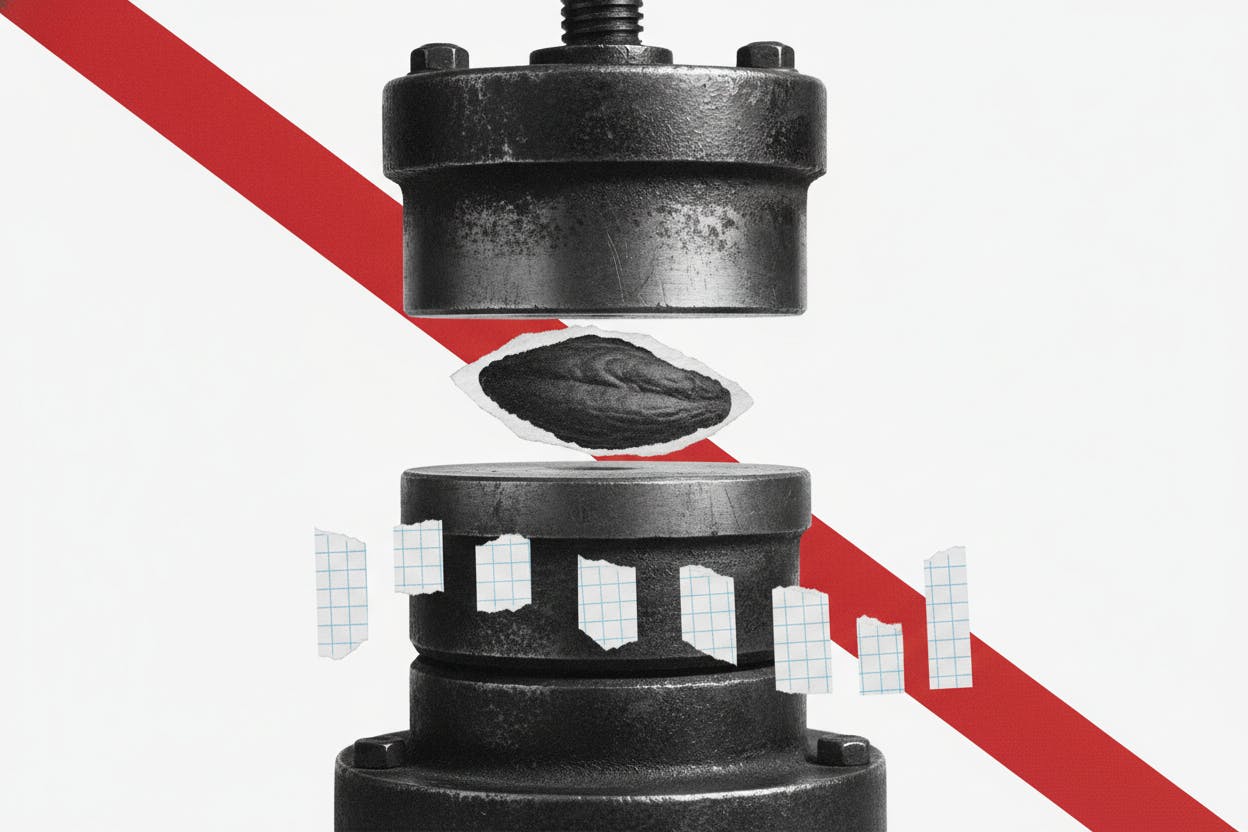
Cocoa futures took a sharp hit on Thursday, with ICE London cocoa falling 6.1% to £4,095 per metric ton, after the latest European grind data revealed a bigger-than-expected drop in processing activity. The move dragged New York cocoa lower as well and added to a broad retreat across soft commodities, including sugar and coffee.
What is the cocoa grind and why does it matter?
The cocoa grind is a key measure of demand in the chocolate industry. It tracks how many cocoa beans are processed—or ground—into cocoa butter, powder, and liquor, the building blocks for chocolate bars, drinks, and confectionery. A decline in grind volumes suggests that chocolate makers are buying fewer beans, often because they expect weaker sales or are trying to manage high input costs.
Europe is the world's largest cocoa grinding region, so its quarterly data is closely watched by traders and investors. The second-quarter grind fell 4.6% year-on-year to 316,366 metric tons, the lowest for that period since 2020, when the pandemic disrupted supply chains. The drop was steeper than many analysts had anticipated, reinforcing concerns that persistently high cocoa prices are starting to dampen demand.
Why are cocoa prices under pressure?
Cocoa prices have been volatile over the past year, driven by tight supply from top producers Ivory Coast and Ghana, where adverse weather and crop disease have reduced output. That pushed futures to multi-year highs earlier in 2024, making chocolate more expensive for manufacturers and, eventually, consumers.
Now, the grind data suggests that the demand side of the equation is weakening. When prices stay elevated for an extended period, chocolate makers often reduce their bean purchases, trim production, or reformulate products to use less cocoa. The 4.6% drop in European grinding is one of the clearest signals yet that this process is underway.
The pullback wasn't limited to cocoa. Sugar and coffee futures also declined, reflecting a broader risk-off tone in agricultural commodities. While each market has its own supply-and-demand dynamics, the simultaneous slide suggests that traders are reassessing demand expectations across the board.
What it means for investors
For everyday investors, the cocoa grind data is a reminder that commodity prices don't move in one direction forever. Even when supply is tight, demand can crack if prices go too high too fast. That dynamic can create sharp reversals, as seen in Thursday's 6% drop.
Investors with exposure to cocoa through exchange-traded funds (ETFs) or futures should be aware that the market is now pricing in a potential demand slowdown. The next key data point will be the North American and Asian grind figures, due in the coming weeks, which will show whether the weakness is confined to Europe or more widespread.
For those holding shares of chocolate companies or confectionery giants, lower cocoa prices could eventually ease input cost pressures, potentially boosting profit margins. However, the grind data also hints at softer consumer demand, which could offset any benefit from cheaper raw materials.
Broader market context matters too. The pullback in cocoa, sugar, and coffee comes amid a mixed picture for global growth. Recent US retail sales data showed a modest 0.2% rise in June, though a core gauge jumped 0.6%, signaling that consumer spending remains resilient in some areas. Meanwhile, European stocks have stalled as optimism over AI and tech clashes with jitters over oil prices and inflation.
What to watch next
Traders will be watching for any updates from the Ivory Coast and Ghana on the upcoming main crop, which typically arrives in October. If supply remains constrained, cocoa prices could find support even if demand softens. But if grind data from other regions also disappoints, the sell-off could deepen.
For now, the message from Europe is clear: high prices are starting to bite. Investors should keep an eye on demand indicators as much as supply news in the months ahead.



